
Aging is a natural part of life, but getting older does not mean giving up an active, healthy, and enjoyable lifestyle. With the right daily habits, people can support their physical health, mental wellbeing, energy levels, and independence as they age. Healthy aging is mainly about taking care of the body and mind through simple choices that can become part of everyday life.
Many people want to know how to stay healthy as they get older and how to enjoy a longer and more active life. The good news is that healthy aging does not always require complicated routines. Regular physical activity, nutritious food, quality sleep, social connections, stress management, and regular health checkups can make a meaningful difference.
Eat a Balanced and Nutritious Diet
Healthy eating is one of the most important parts of healthy aging. As the body gets older, nutritional needs can change, making it important to choose foods that provide plenty of vitamins, minerals, protein, fiber, and other essential nutrients.
Include fresh fruits and vegetables, whole grains, beans, lentils, nuts, seeds, eggs, fish, and lean sources of protein in your meals. These foods can provide nutrients that support muscles, bones, the heart, and the immune system.
It is also helpful to reduce excessive amounts of highly processed foods, added sugar, and unhealthy fats. Instead of focusing on strict diets, try to build balanced meals and maintain healthy eating habits that are realistic for your lifestyle.
Drinking enough water is also important. Thirst may become less noticeable with age, so making a habit of drinking water throughout the day can help support normal body functions.
Stay Physically Active
Regular exercise is one of the best healthy aging tips for maintaining strength and independence. Physical activity can support muscles, bones, balance, heart health, and overall energy.
You do not need to become an athlete to benefit from exercise. Walking, swimming, cycling, gardening, stretching, and light strength exercises can all be useful. Even short periods of movement throughout the day can be better than spending most of the day sitting.
Strength training is especially valuable because muscle mass naturally tends to decrease with age. Simple exercises using body weight, resistance bands, or light weights can help maintain strength. Balance exercises can also help older adults remain steady and confident during daily activities.
If you have been inactive for a long time, start slowly and increase activity gradually. People with medical concerns should speak with a qualified healthcare professional before beginning a new exercise program.
Protect Your Heart Health
Heart health becomes increasingly important as people age. A healthy lifestyle can support cardiovascular health and reduce several risk factors associated with heart disease.
Regular physical activity, nutritious food, maintaining a healthy body weight, getting enough sleep, and avoiding tobacco are important habits for heart health. It is also useful to keep track of important health measurements such as blood pressure and cholesterol when recommended by a healthcare professional.
Eating more vegetables, fruits, whole grains, and fiber rich foods while limiting excessive salt and highly processed foods can also support a heart healthy lifestyle.
Maintain Healthy Bones
Strong bones are important for staying active and independent later in life. Bone strength can decrease with age, so taking care of bone health should be part of a long term wellness routine.
Calcium and vitamin D are important nutrients for bones. Dairy products, fortified foods, leafy green vegetables, and certain fish can provide useful nutrients. Safe exposure to sunlight can also help the body produce vitamin D, although individual needs vary.
Weight bearing activities such as walking and appropriate strength exercises can support bone health. Regular medical advice can also help identify possible bone health concerns early.

Get Enough Quality Sleep
Sleep is another important part of healthy aging. Good sleep gives the body time to rest and supports memory, mood, energy, and normal immune function.
Many adults benefit from maintaining a consistent sleep schedule. Going to bed and waking up at similar times each day can help establish a healthy routine. A comfortable sleeping environment, limited screen use before bedtime, and avoiding heavy meals close to bedtime may also support better sleep.
If sleep problems continue regularly, it is worth discussing them with a healthcare professional rather than assuming they are simply a normal part of getting older.
Keep Your Mind Active
Healthy aging includes mental and emotional wellbeing as well as physical health. Keeping the brain active can make everyday life more interesting and provide opportunities to continue learning.
Reading books, learning new skills, solving puzzles, writing, playing music, practicing hobbies, and exploring new subjects are simple ways to challenge the mind. Trying something unfamiliar can also provide a sense of achievement.
Mental stimulation does not have to feel like studying. Activities that are enjoyable and meaningful can help keep the mind engaged while adding purpose to daily life.
Maintain Social Connections
Strong relationships can contribute to a happier and more fulfilling life as people age. Spending time with family members, friends, neighbors, community groups, or other supportive people can provide companionship and emotional support.
Loneliness can affect wellbeing, so staying socially connected is important. Regular phone calls, family meals, community activities, volunteering, religious or cultural gatherings, and shared hobbies can help people maintain meaningful connections.
Even small social interactions can make a difference. Building a routine that includes regular contact with others can support emotional wellbeing and give a greater sense of belonging.
Manage Daily Stress
Long term stress can affect both physical and emotional wellbeing. Learning healthy ways to manage stress can make everyday life easier and more enjoyable.
Simple practices such as deep breathing, walking outdoors, listening to music, spending time with loved ones, gardening, reading, or practicing relaxation exercises can help create moments of calm.
It is also important to recognize that asking for emotional support is not a weakness. Talking with trusted people or a qualified professional can be helpful when stress, sadness, or other emotional difficulties become difficult to manage.
Maintain a Healthy Body Weight
Maintaining a healthy body weight can support mobility, heart health, joint comfort, and overall wellbeing. The goal should not be to follow extreme diets or focus only on the number on a scale.
Instead, concentrate on nutritious foods, regular physical activity, adequate sleep, and sustainable habits. Healthy body weight can look different from one person to another, so individual health goals should be discussed with a healthcare professional when needed.
Avoid Tobacco and Limit Harmful Habits
Avoiding tobacco is one of the most valuable choices for long term health. Smoking can damage many parts of the body and increase the risk of serious health problems.
People who smoke may benefit from seeking professional support to quit. Avoiding exposure to tobacco smoke can also contribute to better overall health.
It is equally important to use medications responsibly and discuss supplements with a healthcare professional before adding them to a daily routine. More supplements do not automatically mean better health.
Have Regular Health Checkups
Regular health checkups can help identify potential health concerns before they become more serious. Preventive healthcare becomes especially important as people get older.
Depending on age, family history, lifestyle, and individual needs, healthcare professionals may recommend monitoring blood pressure, cholesterol, blood sugar, vision, hearing, bone health, vaccinations, and other areas.
Do not ignore unusual or persistent changes in the body. New symptoms, unexplained weight changes, ongoing pain, changes in vision, unusual tiredness, or other concerning signs should be discussed with a healthcare professional.
Practice Good Oral and Eye Care
Oral health and eye health are important parts of healthy aging. Brush your teeth regularly, clean between your teeth, and visit a dental professional as recommended.
Regular eye examinations can also help identify vision changes and certain eye conditions. Good vision is particularly important for mobility, reading, driving, and maintaining independence.
Taking care of these areas may seem simple, but consistent habits can support quality of life for many years.
Keep a Positive and Purposeful Lifestyle
A positive approach to aging can influence how people experience everyday life. Growing older can bring new opportunities to learn, connect with others, explore hobbies, and enjoy experiences that may not have been possible earlier in life.
Having a sense of purpose can make daily routines more meaningful. This could involve caring for family, volunteering, working, teaching others, creating art, gardening, traveling, or simply spending time doing things that bring satisfaction.
Healthy aging is not about trying to stay young forever. It is about supporting your body and mind so you can continue doing the things that matter to you.
Final Thoughts
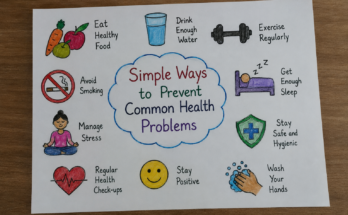
Healthy aging is built through small and consistent choices. Eating nutritious foods, staying physically active, sleeping well, maintaining social connections, managing stress, protecting heart and bone health, and attending regular health checkups can all support a longer and more active life.
You do not have to change everything at once. Start with one healthy habit and gradually build from there. A daily walk, a healthier meal, an earlier bedtime, more time with loved ones, or a regular health checkup can be a valuable step toward better wellbeing.
The most important healthy aging tip is to take an active role in your health at every stage of life. With practical habits, regular preventive care, and a positive attitude, aging can be a rewarding part of life filled with movement, connection, independence, and meaningful experiences.