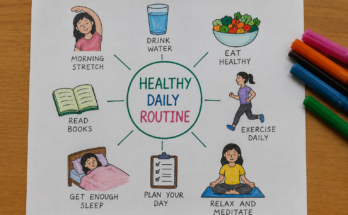
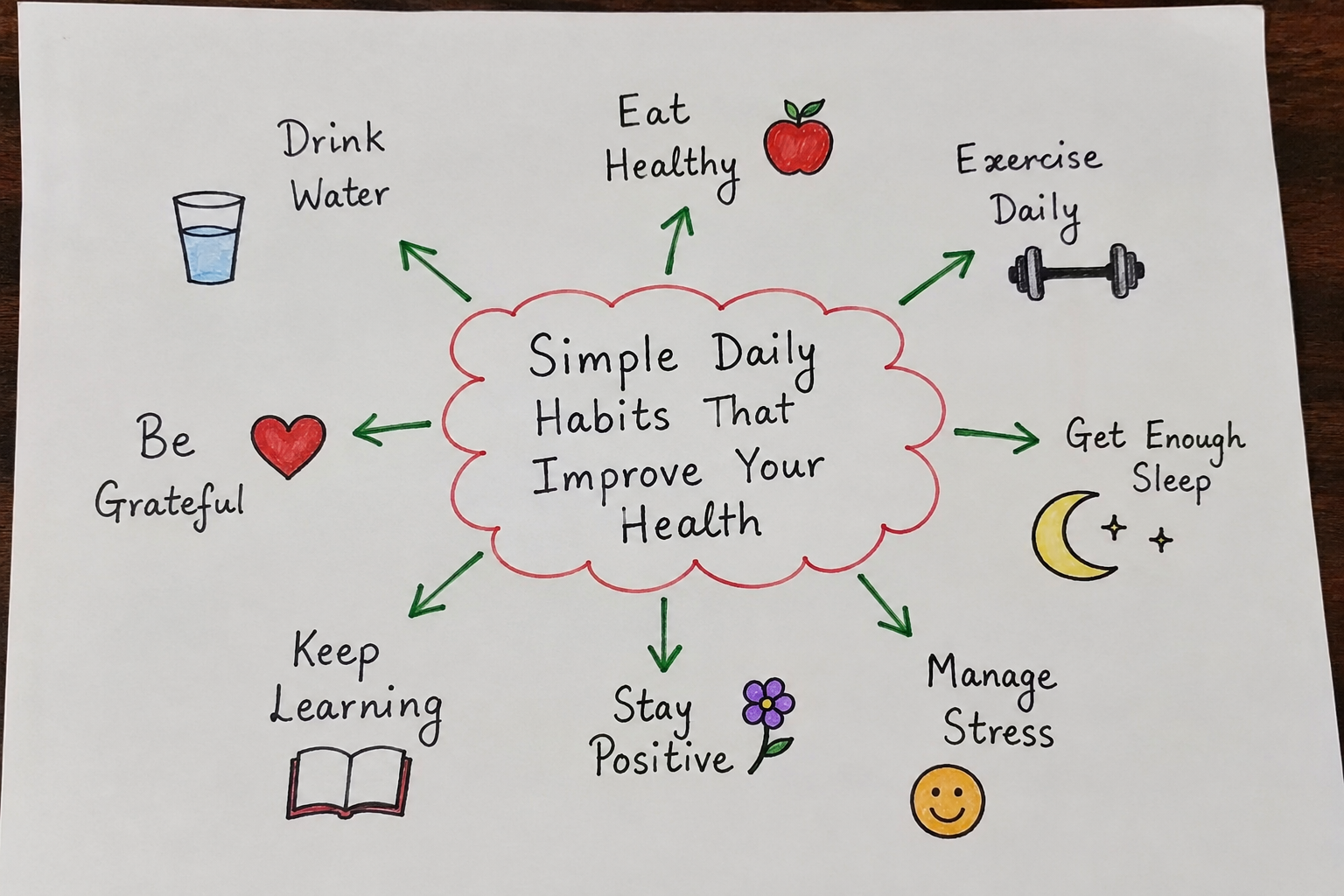
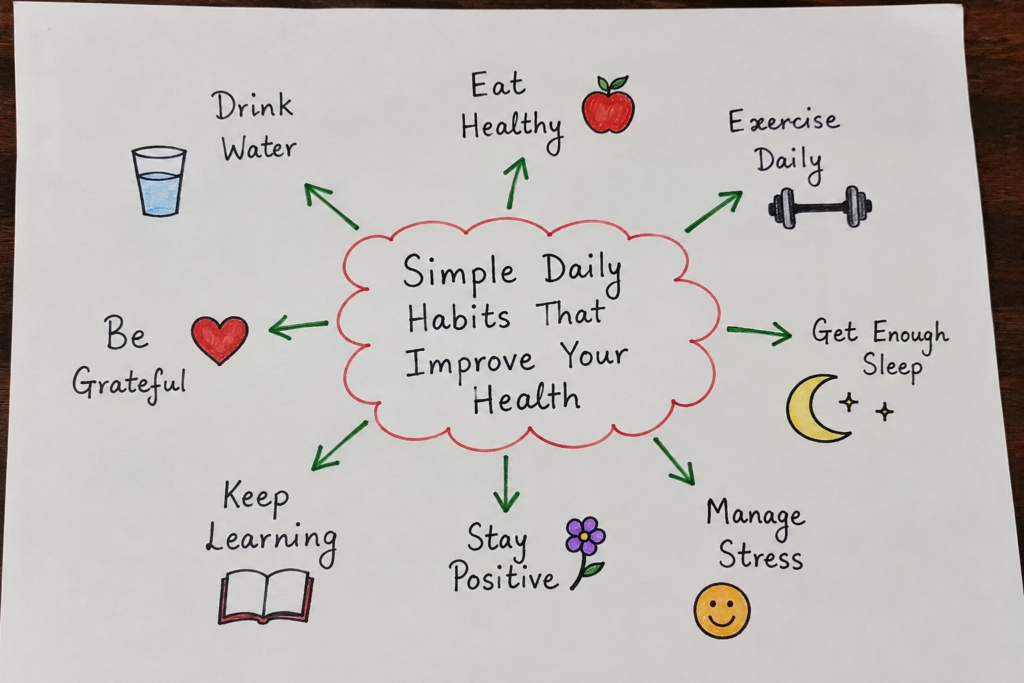
Good health does not always require major changes or difficult routines. In many cases, simple daily habits can make a big difference in how you feel, think, sleep, and perform throughout the day. Healthy living is built through small actions that become part of your normal routine. Drinking enough water, eating nutritious foods, staying active, getting enough sleep, and taking care of your mental health are all simple habits that can support your overall well being.
The best thing about healthy daily habits is that they do not have to be complicated. You do not need to completely change your lifestyle overnight. Instead, focusing on small and realistic improvements can help you create a healthier routine that is easier to maintain. This article explores simple daily habits that improve your health and explains how you can include them in everyday life.
Start Your Day With Water
One of the easiest healthy habits is drinking water after waking up. Your body loses water while you sleep, so drinking a glass of water in the morning can help you start the day feeling refreshed. Staying properly hydrated also supports normal body functions and helps maintain energy throughout the day.
Keep a bottle of water nearby so it is easy to drink regularly. If you do not enjoy plain water, you can add a small amount of lemon or fresh fruit for natural flavor. The important thing is to make regular hydration part of your daily routine.
Eat a Healthy Breakfast
Breakfast can be an important part of a healthy lifestyle, especially when it includes nutritious foods. Instead of choosing highly processed foods that are high in added sugar, consider options such as eggs, oatmeal, yogurt, fruit, whole grain bread, or nuts.
A balanced breakfast can provide important nutrients and help you feel satisfied during the morning. Choosing healthy foods early in the day can also encourage better food choices later.
Include More Fruits and Vegetables
Eating more fruits and vegetables is one of the most effective daily habits for better health. They provide vitamins, minerals, fiber, and other nutrients that support the body.
Try adding vegetables to lunch and dinner and keep fresh fruit available for snacks. You do not need to make your meals complicated. A simple salad, cooked vegetables, an apple, a banana, or a handful of berries can make your diet more nutritious.
Eating a variety of colorful fruits and vegetables can also help you receive different nutrients. Making healthy foods easily available at home makes it easier to choose them regularly.
Stay Physically Active Every Day
Regular physical activity is another important habit for maintaining good health. You do not necessarily need to spend hours at the gym. Walking, stretching, cycling, cleaning the house, gardening, or taking the stairs can all help you stay active.
Try to avoid sitting for very long periods. If you work at a desk, stand up and move around regularly. A short walk during a break can help you become more active while also giving your mind a chance to relax.
The key is consistency. Small amounts of movement throughout the day can become an important part of a healthy lifestyle.
Get Enough Quality Sleep
Sleep plays an important role in physical and mental health. Poor sleep can leave you feeling tired and unfocused, while regular quality sleep allows your body and mind to recover.
Try to follow a consistent sleep schedule by going to bed and waking up around the same time each day. Create a relaxing bedtime routine and reduce unnecessary screen use before sleeping. Keeping your bedroom comfortable, quiet, and dark may also support better sleep.
Adults generally need around seven or more hours of sleep each night, although individual needs can vary. Making sleep a priority is one of the simplest ways to support your overall health.
Take Care of Your Mental Health
Physical health is only one part of healthy living. Your mental and emotional health also deserve daily attention. Stress is a normal part of life, but too much ongoing stress can affect your mood, sleep, energy, and overall well being.
Make time for activities that help you relax. Reading, listening to music, spending time outdoors, talking with someone you trust, practicing breathing exercises, or enjoying a hobby can provide a mental break.
You should also give yourself permission to rest when you need it. Being productive all the time is not necessary for a healthy life. Regular moments of relaxation can help you feel more balanced.
Limit Highly Processed Foods
You do not have to completely avoid your favorite foods to improve your health. However, eating highly processed foods too often may make it harder to maintain a balanced diet.
Try to make whole and minimally processed foods the main part of your meals. Foods such as vegetables, fruits, whole grains, beans, eggs, fish, lean meats, nuts, and seeds can provide valuable nutrients.
Instead of making strict food rules, focus on creating better eating patterns. Occasional treats can fit into a balanced lifestyle when most of your daily food choices are nutritious.
Practice Good Personal Hygiene
Good personal hygiene is another simple daily habit that supports health. Washing your hands regularly, brushing your teeth twice a day, showering when needed, and keeping your living environment clean can help reduce the spread of germs and support personal well being.
Hand washing is especially important before eating and after using the bathroom. Keeping frequently touched surfaces clean can also be helpful, particularly when someone in the household is sick.
These habits may seem basic, but doing them consistently can make a meaningful difference.
Spend Time Outdoors
Spending some time outside each day can be good for both your body and mind. A short walk in a park, sitting in a garden, or simply getting fresh air can provide a welcome break from screens and indoor environments.
Outdoor activity can also encourage movement and relaxation. Try taking a short walk after a meal or spending part of your free time outside instead of staying indoors all day.
Reduce Unnecessary Screen Time
Modern life involves spending a lot of time on phones, computers, and other screens. While technology is useful, excessive recreational screen time can reduce physical activity and interfere with relaxation and sleep.
Create small periods during the day when you put your phone away. Avoid checking your device constantly while eating or talking with family members. Reducing screen use before bedtime can also help create a calmer evening routine.
The goal is not to stop using technology. It is to create a healthier balance between digital activities and real life.
Practice Mindful Eating
Mindful eating means paying attention to what and how you eat. Instead of eating quickly while watching television or using your phone, try to focus on your meal.
Eat slowly and notice the taste, texture, and smell of your food. Pay attention to your body’s hunger and fullness signals. This simple habit can help you become more aware of your eating patterns and enjoy your meals more.
Make Time for Relationships
Healthy relationships can contribute to emotional well being. Spending time with family members, friends, colleagues, or other people you trust can provide support and reduce feelings of loneliness.
Even a short conversation can make a difference. Call someone you care about, share a meal with your family, or spend time with friends. Building positive social connections should be considered an important part of a healthy lifestyle.
Avoid Smoking and Limit Alcohol
Avoiding tobacco is one of the most important choices you can make for your health. Smoking can seriously affect many parts of the body and increase the risk of numerous health problems.
If you drink alcohol, keeping consumption within recommended limits can also be important. If you do not drink, there is no health reason to start.
Healthy choices become more powerful when they are practiced consistently over time.
Build Healthy Habits Slowly
One common mistake is trying to change everything at once. Making too many changes can feel overwhelming and may make it difficult to maintain your new routine.
Instead, choose one or two habits and practice them regularly. For example, start by drinking more water and walking for twenty minutes each day. Once these habits become comfortable, add another positive change.
Small improvements can eventually create major results. Healthy living is not about being perfect every day. It is about making better choices more often.
Conclusion
Simple daily habits that improve your health can be easier to follow than complicated lifestyle changes. Drinking enough water, eating nutritious foods, staying active, getting quality sleep, managing stress, maintaining good hygiene, spending time outdoors, and building positive relationships can all support a healthier life.
The most important step is to begin with realistic changes that fit your lifestyle. You do not need to transform your entire routine in one day. Start small, stay consistent, and give yourself time to develop better habits.
When healthy choices become part of your everyday routine, they can help you feel stronger, more energetic, and more balanced. A healthier life is created through the small decisions you make every day.