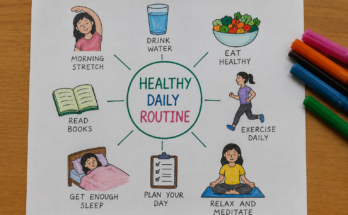

Staying active throughout the day is one of the simplest ways to support better health and improve overall quality of life. Many people think that being active only means going to the gym, running, or doing a formal workout. However, daily movement includes much more than exercise sessions. Walking around the house, taking the stairs, stretching, doing household chores, standing regularly, and going for a short walk can all help keep the body active.
Modern lifestyles often involve long hours of sitting. People spend a lot of time working at computers, using phones, watching television, or traveling in cars. Spending too much time sitting can make it harder to maintain a healthy body and may affect energy levels, fitness, mood, and general wellbeing. Making small changes to increase daily movement can be an effective way to build healthier habits.
What Does Staying Active Throughout the Day Mean?
Staying active throughout the day means including regular physical movement in your daily routine instead of remaining inactive for long periods. You do not need to perform intense exercise every hour. Simple activities such as walking while talking on the phone, stretching during work breaks, cleaning the house, gardening, or walking to a nearby location can contribute to daily physical activity.
The main goal is to reduce long periods of inactivity and give your body more opportunities to move. Even small amounts of movement can add up over the course of the day and support a healthier lifestyle.
Supports a Healthy Body Weight
One of the important benefits of staying active throughout the day is that it can help support a healthy body weight. Physical movement requires energy, and regular movement can increase the amount of energy your body uses during the day.
You do not always need a long workout to become more active. Walking more often, using stairs instead of elevators, doing household work, and taking short movement breaks can increase daily activity. When combined with balanced nutrition and healthy lifestyle habits, regular movement can make it easier to maintain a healthy weight.
Improves Heart Health
Regular physical activity is also beneficial for the heart. When you move your body, your heart works harder to circulate blood throughout the body. Regular movement can help support healthy circulation and cardiovascular fitness.
Activities such as brisk walking, cycling, swimming, and even frequent light movement can contribute to an active lifestyle. Staying active may also help support healthy blood pressure and cholesterol levels when combined with other healthy habits.
Increases Energy Levels
It may seem that physical activity would make you tired, but regular movement can actually help improve energy levels. Sitting for many hours can leave people feeling sluggish and unmotivated. Getting up and moving can help refresh the body and mind.
A short walk during the day can be enough to break up a long period of sitting and help you feel more alert. People who make regular movement part of their daily routine may find it easier to stay productive and energetic throughout the day.

Supports Mental Wellbeing
The benefits of staying active are not limited to physical health. Daily movement can also support mental wellbeing. Physical activity can help the body release chemicals that are associated with a better mood and a greater sense of wellbeing.
Walking outside, stretching, cycling, or participating in a favorite physical activity can provide a useful break from daily responsibilities. Movement can also help people manage everyday stress and feel more relaxed.
Helps Improve Sleep Quality
Staying active during the day may also support better sleep. Regular physical activity can help your body develop a healthy daily rhythm. People who move regularly may find it easier to relax at night and maintain a consistent sleep schedule.
However, it is important to listen to your body. Very intense exercise immediately before bedtime may not be comfortable for everyone. Gentle stretching or a relaxed evening walk may be a better choice close to bedtime.
Strengthens Muscles and Bones
Regular movement helps keep muscles active and supports physical strength. Everyday activities such as walking, climbing stairs, carrying groceries, and doing household chores can challenge different muscle groups.
Weight bearing activities such as walking can also support bone health. Maintaining muscle strength and healthy bones is particularly important as people grow older because good physical strength can help support independence and everyday mobility.
Improves Flexibility and Mobility
Long periods of sitting can make the body feel stiff. Regular movement and stretching can help maintain flexibility and mobility. Simple stretches performed during the day can reduce the feeling of stiffness in the neck, shoulders, hips, and legs.
Moving regularly also encourages the body to use different muscles and joints. This can make everyday movements such as bending, reaching, walking, and climbing stairs feel more comfortable.
Supports Better Posture
Another benefit of staying active throughout the day is that movement can encourage better body awareness. Sitting in the same position for many hours may contribute to poor posture and discomfort.
Taking regular breaks to stand, walk, stretch, and change position can help reduce the physical strain associated with staying in one position for too long. People who work at desks can benefit from standing up regularly and adjusting their sitting position.
Helps Improve Productivity
Daily movement can also have a positive effect on productivity. When people work continuously without breaks, they may experience tiredness and reduced concentration. Short movement breaks can provide an opportunity to refresh both the body and mind.
For example, walking for a few minutes after completing a task can create a mental break before starting something new. This simple habit may help people return to work feeling more focused.
Supports Healthy Aging
Staying active is especially valuable as people get older. Regular movement can help maintain strength, balance, flexibility, and mobility. These abilities are important for performing everyday activities independently.
An active lifestyle can include simple activities that match a person’s fitness level. Walking, gentle exercises, gardening, household activities, and stretching can all be useful. The goal is to keep moving safely and consistently.
Simple Ways to Stay Active Every Day
Adding more movement to your daily routine does not have to be difficult. Start by identifying periods when you usually sit for a long time and look for simple opportunities to move.
Take short walking breaks during work. Use stairs when practical. Walk while talking on the phone. Stretch after sitting for a long period. Do household chores instead of remaining seated. Take an evening walk with family members or friends. Park slightly farther away when possible. Spend some time gardening or doing other physical activities you enjoy.
Another useful approach is to set small daily goals. Instead of trying to completely change your lifestyle overnight, add one or two new movement habits at a time. Small changes are often easier to maintain over the long term.
Make Movement Enjoyable
The best physical activity is often the one you enjoy and can continue regularly. Some people enjoy walking, while others prefer cycling, dancing, swimming, gardening, or playing sports. Choosing activities that feel enjoyable can make it easier to stay consistent.
You can also make movement social. Walking with a friend or family member can make physical activity more enjoyable and provide an opportunity to spend quality time together.
Listen to Your Body
Although staying active is beneficial, it is important to exercise safely. Start gradually if you have been inactive for a long time. Give your body enough time to adjust to increased activity and avoid pushing yourself beyond your limits.
If you experience unusual pain, severe discomfort, dizziness, or other concerning symptoms during physical activity, stop and seek appropriate medical advice. People with existing health concerns should also discuss suitable activity levels with a healthcare professional.
Conclusion
The benefits of staying active throughout the day go far beyond burning calories. Regular movement can support heart health, healthy body weight, stronger muscles and bones, better flexibility, improved energy, mental wellbeing, sleep quality, and healthy aging.
You do not need to spend hours in a gym to become more active. Simple habits such as walking more, taking regular breaks from sitting, using stairs, stretching, doing household activities, and spending time outdoors can make a meaningful difference.
The key is consistency. When small amounts of movement become part of your everyday routine, they can contribute to a healthier and more active lifestyle. Start with simple changes that fit naturally into your day and gradually build better movement habits. Staying active throughout the day is a practical step toward better physical health, improved mental wellbeing, and a better quality of life.