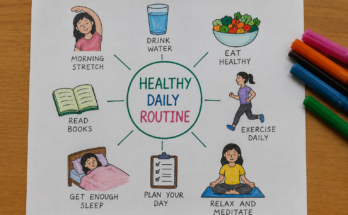

The way you start your morning can have a strong effect on how you feel and perform throughout the day. Healthy morning habits can support physical health, mental wellbeing, energy levels, focus, and emotional balance. You do not need a complicated routine or expensive products to create a healthy morning. Simple actions such as drinking water, eating a nutritious breakfast, moving your body, getting enough sunlight, and starting the day with a calm mindset can make a meaningful difference over time.
Developing healthy morning habits is one of the easiest ways to create a positive daily routine. When these habits become consistent, they can support better lifestyle choices during the rest of the day. This article explains how morning habits can improve your health and provides practical ideas that you can easily include in your daily routine.
Start Your Day With Water
One of the simplest healthy morning habits is drinking water after waking up. Your body loses water while you sleep through breathing and normal bodily functions. Drinking water in the morning helps you begin replacing those fluids.
Staying hydrated is important for many body functions. Water supports digestion, circulation, temperature regulation, and normal physical performance. Good hydration can also help you feel more refreshed after waking up.
Instead of immediately reaching for sugary drinks, start your morning with a glass of plain water. You can keep a bottle or glass beside your bed so it is easier to remember. Drinking water regularly throughout the day is more important than focusing only on morning hydration, but making water part of your morning routine can encourage better hydration habits overall.
Eat a Healthy Breakfast
A nutritious breakfast can be an important part of a healthy morning routine. After several hours without food, many people benefit from eating a balanced meal that provides useful nutrients and energy.
A healthy breakfast can include foods such as eggs, yogurt, oats, whole grain bread, fruit, vegetables, nuts, or beans. Combining protein, fiber, healthy fats, and carbohydrates can help create a more satisfying meal.
The best breakfast depends on your personal needs, schedule, and preferences. Some people prefer a larger breakfast, while others may not feel hungry immediately after waking. The main goal is to choose nutritious foods and avoid making highly processed and sugary foods the foundation of your daily diet.
Get Some Morning Sunlight
Morning sunlight is another valuable part of a healthy morning routine. Exposure to natural light helps your body recognize the difference between daytime and nighttime. This can support your natural sleep and wake cycle.
Spending a few minutes outdoors in the morning can also provide an opportunity to breathe fresh air and become more active. You might take a short walk, sit outside while drinking water, or simply spend some time near natural light.
A consistent morning routine that includes natural light can help you feel more awake and prepared for the day. If you spend most of your time indoors, making morning sunlight a regular habit can be a simple lifestyle improvement.

Make Time for Physical Activity
Exercise in the morning can help you become more active and energized. Morning exercise does not have to mean a long or intense workout. Even gentle movement can be useful.
You can start with stretching, walking, light yoga, bodyweight exercises, or a short home workout. If you enjoy more demanding exercise, you can include running, cycling, strength training, or another activity that fits your fitness level.
Regular physical activity supports heart health, muscle strength, mobility, and overall physical fitness. It can also help improve mood and reduce feelings of stress.
The most important thing is consistency. A short workout that you enjoy and can repeat regularly is often more useful than an intense routine that you quickly stop doing.
Practice Good Personal Hygiene
Morning hygiene is another important part of maintaining good health. Brushing your teeth, washing your face, taking a shower, changing into clean clothes, and washing your hands can help you feel fresh and comfortable.
Good personal hygiene can reduce the spread of germs and support healthy skin and oral health. Brushing your teeth twice a day and maintaining regular dental care are especially important for protecting your teeth and gums.
These simple habits may seem ordinary, but they contribute to a healthier lifestyle when practiced consistently.
Give Your Mind a Calm Start
Your morning is not only important for your physical health. It can also affect your mental wellbeing. Starting the day in a rush can make you feel stressed before your daily responsibilities even begin.
Try giving yourself a few quiet minutes in the morning. You can sit peacefully, practice deep breathing, write in a journal, read something positive, or simply think about your plans for the day.
A calm morning can help you approach daily challenges with greater awareness. You do not need to spend an hour meditating to benefit from a peaceful start. Even five to ten minutes of quiet time can help create a more relaxed beginning.
Avoid Checking Your Phone Immediately
Many people reach for their phones as soon as they wake up. Checking messages, social media, or news immediately can make the morning feel rushed and distracting.
Instead, consider completing a few healthy morning habits before checking your phone. Drink water, wash up, stretch, eat breakfast, or spend some time outside first.
Reducing early morning screen time can give you more control over your attention. It allows you to begin the day by focusing on your own needs instead of immediately responding to other people’s messages and online content.
Plan Your Day
A few minutes of planning can make your morning more organized. Write down the most important tasks you want to complete during the day. You do not need a long schedule. Simply identifying your main priorities can help you use your time more effectively.
Planning can also reduce the feeling that everything needs to be done at once. When you know what matters most, it becomes easier to focus on important responsibilities.
You can prepare your clothes, breakfast, work materials, or other necessities the night before. This can make your morning smoother and give you more time for healthy habits.
Choose a Consistent Wake Up Time
A consistent sleep schedule is an important part of good health. Waking up at a similar time each day can help create a regular daily rhythm.
However, waking up early is not automatically healthier if you are not getting enough sleep. Adults generally need adequate sleep for physical and mental wellbeing. Instead of trying to wake up extremely early, focus on getting enough quality sleep and maintaining a schedule that works for your lifestyle.
A healthy morning begins with a healthy night. Going to bed at a reasonable time can make it much easier to wake up feeling rested.
Avoid Starting the Day With Too Much Sugar
Some common breakfast foods and drinks contain large amounts of added sugar. Sweetened drinks, pastries, and highly processed breakfast foods may provide quick energy but may not keep you satisfied for long.
Choosing more nutritious foods in the morning can support a balanced diet. Try including fruit, whole grains, protein rich foods, vegetables, or unsweetened dairy products.
You do not have to completely avoid your favorite foods. The goal is to make healthier choices most of the time and create a balanced eating pattern.
Build Habits That You Can Maintain
One of the biggest mistakes people make when creating a morning routine is trying to change everything at once. A routine with twenty different activities may look impressive, but it can become difficult to maintain.
Start with two or three simple habits. For example, drink water after waking, spend ten minutes walking outside, and eat a balanced breakfast. Once these habits become comfortable, you can gradually add other activities.
Consistency matters more than perfection. Missing one morning does not mean your routine has failed. Simply return to your healthy habits the next day.
Conclusion
Morning habits can improve your health by creating a positive foundation for the rest of the day. Simple actions such as drinking water, eating nutritious food, getting natural sunlight, exercising, practicing personal hygiene, planning your day, and giving yourself quiet time can support both physical and mental wellbeing.
A healthy morning routine does not need to be complicated. The best routine is one that fits your lifestyle and can be followed consistently. Start with small changes and focus on habits that make you feel healthier, more organized, and more energetic.
When healthy morning habits become a normal part of your everyday life, they can encourage better choices throughout the day. Your morning may only last a few hours, but the habits you practice during that time can contribute to a healthier and more balanced lifestyle.