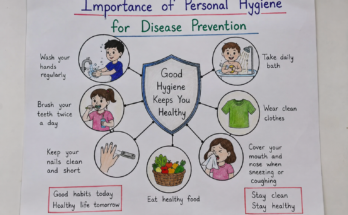
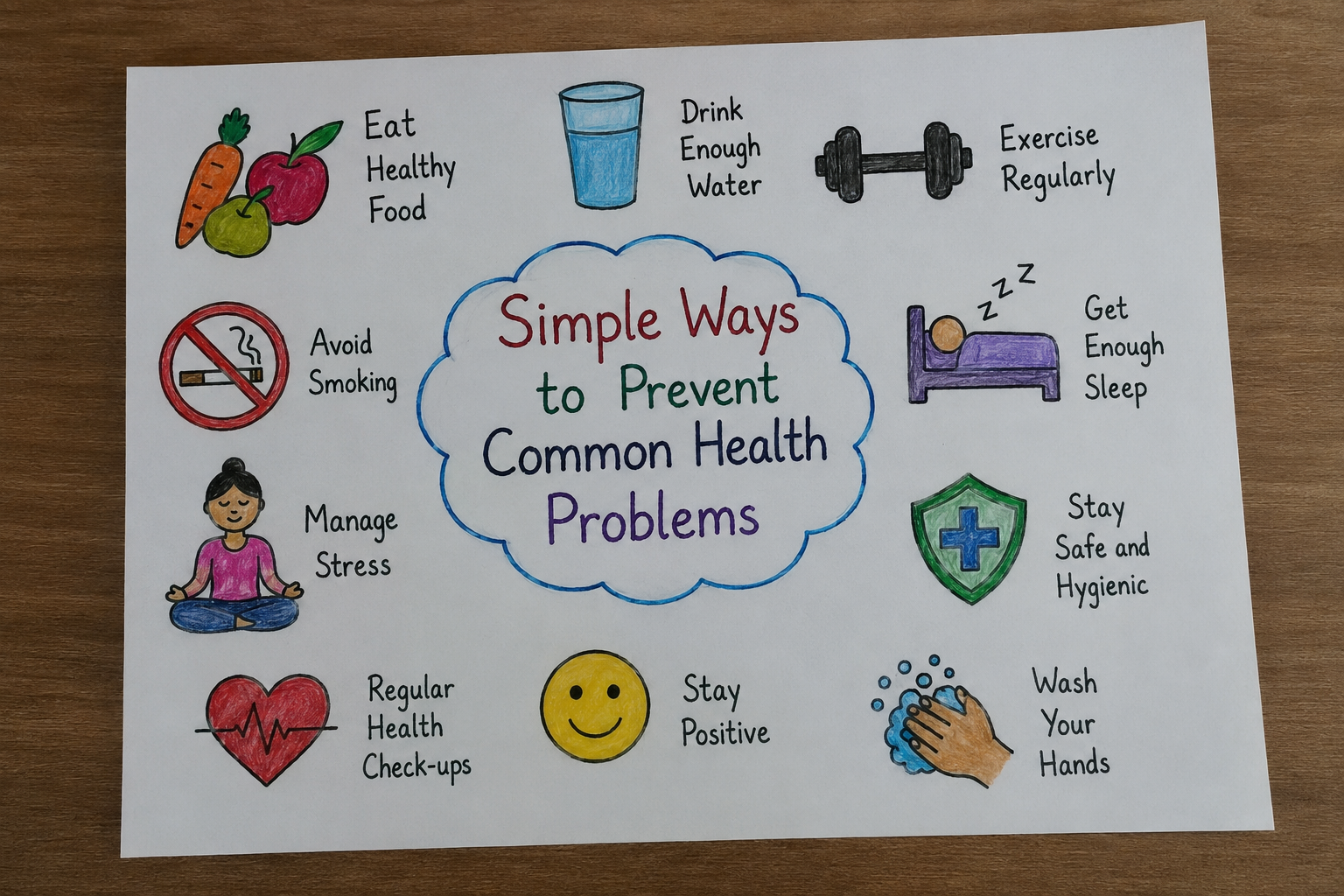
Good health is one of the most valuable parts of a happy and active life. Many common health problems can develop because of unhealthy habits, poor nutrition, lack of physical activity, stress, or ignoring early warning signs. The good news is that simple daily choices can help protect the body and reduce the risk of many health problems. You do not always need complicated routines or expensive treatments to support your health. Small changes in your everyday lifestyle can make a meaningful difference over time.
In this article, we will discuss simple ways to prevent common health problems and maintain better overall health. These healthy habits can support your immune system, heart health, digestive health, mental wellbeing, and general fitness.
Eat a Balanced and Healthy Diet
One of the most important ways to prevent common health problems is to follow a balanced diet. The body needs different nutrients to function properly, including vitamins, minerals, protein, healthy fats, carbohydrates, and fiber.
Try to include fresh fruits, vegetables, whole grains, beans, nuts, seeds, eggs, fish, and other nutritious foods in your daily meals. These foods can provide important nutrients that support energy, immunity, digestion, and healthy body functions.
It is also helpful to reduce excessive intake of sugary foods, highly processed foods, and foods containing too much salt or unhealthy fat. Eating a healthy diet can help maintain a healthy body weight and may reduce the risk of several chronic health problems.
Drink Enough Water
Staying properly hydrated is another simple way to support good health. Water helps the body perform many important functions. It supports digestion, circulation, temperature regulation, and the normal function of different organs.
Drink water regularly throughout the day and pay attention to your body’s needs. Your water requirements may change depending on weather, activity level, diet, and other factors.
Replacing sugary drinks with water can also be a useful healthy habit. It may help reduce unnecessary sugar intake while supporting better hydration.
Stay Physically Active
Regular physical activity is important for preventing common health problems. You do not necessarily need to spend hours at the gym. Walking, cycling, stretching, swimming, household activities, or other enjoyable forms of movement can contribute to a more active lifestyle.
Regular exercise can support heart health, muscle strength, flexibility, and healthy body weight. Physical activity can also support mental wellbeing by helping reduce everyday stress and improving mood.
If you have been inactive for a long time, start with simple activities and gradually increase your movement. Consistency is often more important than doing intense workouts occasionally.
Maintain a Healthy Body Weight
Maintaining a healthy body weight can reduce the risk of several health problems. Being significantly overweight can place additional pressure on the heart, joints, and other parts of the body.
A healthy body weight is supported by a combination of nutritious food, regular physical activity, adequate sleep, and healthy daily habits. Instead of following extreme diets, focus on sustainable lifestyle changes that you can maintain for a long time.
Remember that healthy weight is not only about appearance. It is about supporting the body’s normal functions and reducing preventable health risks.
Get Enough Quality Sleep
Sleep is essential for physical and mental health. Poor sleep can affect energy, concentration, mood, and daily performance. Over time, consistently inadequate sleep may also affect overall health.
Try to maintain a regular sleep schedule and create a comfortable sleeping environment. Avoid excessive screen use close to bedtime and reduce caffeine late in the day if it affects your sleep.
Most adults need around seven to nine hours of sleep each night, although individual needs can vary. Making quality sleep a priority is a simple step toward better health.
Manage Daily Stress
Stress is a normal part of life, but constant or excessive stress can negatively affect wellbeing. Finding healthy ways to manage stress is therefore an important part of preventing common health problems.
Simple activities such as walking, deep breathing, reading, spending time with family, listening to music, practicing relaxation techniques, or enjoying nature can help you feel more relaxed.
It is also important to recognize when your responsibilities are becoming overwhelming. Taking short breaks and maintaining a healthy balance between work and personal time can support better mental wellbeing.
Practice Good Personal Hygiene
Good hygiene can help reduce the spread of many infections and illnesses. Washing your hands regularly with soap and clean water is one of the easiest ways to protect yourself and others.
Wash your hands before eating, after using the bathroom, after touching potentially dirty surfaces, and when they are visibly dirty. Maintaining clean teeth, bathing regularly, keeping food areas clean, and practicing safe food handling are also important habits.
These simple actions may seem basic, but they can play an important role in protecting everyday health.
Avoid Smoking and Limit Harmful Substances
Avoiding tobacco is one of the most important steps you can take for your health. Smoking can damage many parts of the body and is linked with serious diseases.
If you smoke, consider seeking appropriate professional support to help you quit. Avoiding exposure to tobacco smoke can also help protect people around you.
It is also important to be careful with substances that may harm your health. Making responsible choices can reduce unnecessary risks and support long term wellbeing.
Take Care of Your Mental Health
Mental health is an important part of overall health. Emotional stress, loneliness, constant worry, and lack of rest can affect how you feel and function every day.
Make time for activities that bring you peace and enjoyment. Stay connected with supportive friends and family members and do not be afraid to talk about your feelings.
If emotional difficulties continue or begin affecting daily life, speaking with a qualified health professional can be a helpful step. Taking care of mental health should be viewed as an important part of a healthy lifestyle rather than something to ignore.
Go for Regular Health Checkups
Regular health checkups can help identify potential health concerns before they become more serious. Some conditions may develop without obvious symptoms, which is why preventive healthcare is important.
Depending on your age, family history, lifestyle, and personal health needs, a healthcare professional may recommend different screenings or tests. Regular appointments can also give you an opportunity to discuss nutrition, physical activity, sleep, blood pressure, and other health concerns.
Do not wait until you feel seriously unwell before seeking medical advice. Early attention can sometimes make health problems easier to manage.
Pay Attention to Warning Signs
Your body can sometimes provide signs that something needs attention. Unusual tiredness, unexplained changes in weight, persistent pain, changes in digestion, ongoing sleep problems, or other unusual symptoms should not always be ignored.
This does not mean that every symptom is a sign of a serious illness. However, persistent or concerning changes deserve proper attention. If something does not feel normal or continues for an unusual amount of time, consider speaking with a healthcare professional.
Being aware of your health can help you make better decisions and seek help when necessary.
Protect Your Health With Safe Habits
Preventing common health problems also involves making safe choices every day. Use protective equipment when appropriate, follow food safety practices, keep living spaces clean, and take precautions when participating in physical activities.
Simple safety habits can reduce the chance of injuries and infections. It is also useful to learn basic health information so you can make informed decisions about your wellbeing.
Build Healthy Habits Gradually
You do not have to change your entire lifestyle in one day. Trying to make too many changes at once can feel difficult and may make it harder to stay consistent.
Instead, start with one or two simple goals. You might begin by drinking more water, walking for a few minutes each day, eating more vegetables, or improving your bedtime routine. Once these habits become easier, you can add another positive change.
Small improvements repeated regularly can become powerful long term habits.
Conclusion
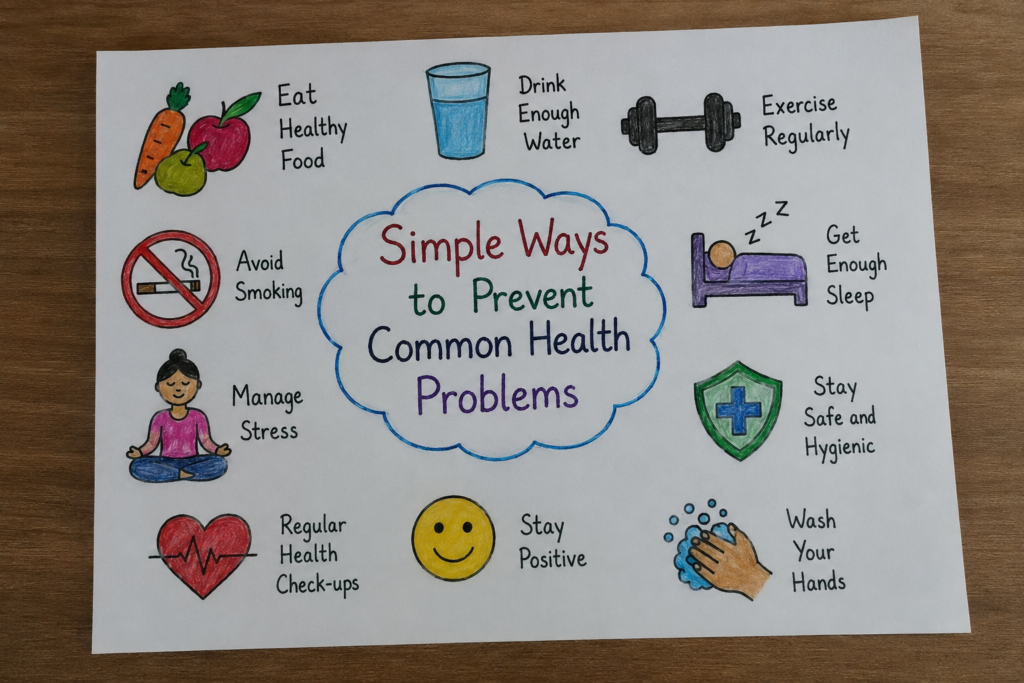
Preventing common health problems starts with everyday choices. Eating a balanced diet, drinking enough water, staying physically active, getting quality sleep, managing stress, practicing good hygiene, avoiding smoking, maintaining a healthy body weight, and getting regular health checkups can all support better health.
The goal is not to create a perfect lifestyle. The goal is to build healthy habits that are realistic and sustainable. Listening to your body, paying attention to warning signs, and seeking professional healthcare when needed are also important parts of prevention.
By making simple healthy choices every day, you can support your physical and mental wellbeing and create a stronger foundation for a healthier future.