
A strong immune system plays an important role in protecting the body from infections and helping us stay healthy. The immune system is a complex network of cells, tissues, organs, and natural processes that work together to defend the body against harmful bacteria, viruses, and other threats. While no single food or habit can make you completely protected from illness, making healthy choices every day can support normal immune function.
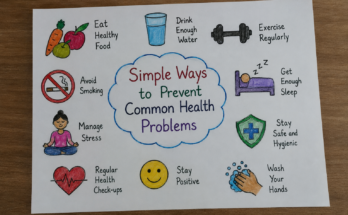
Many people search for ways to strengthen the immune system naturally, especially when they want to improve their overall health. The good news is that simple lifestyle habits can make a meaningful difference. Eating nutritious foods, getting enough sleep, staying physically active, managing stress, drinking enough water, and maintaining good hygiene are all important parts of a healthy lifestyle.
Eat a Balanced and Nutritious Diet
One of the most important ways to support your immune system is to eat a balanced diet. Your body needs different vitamins, minerals, protein, healthy fats, and other nutrients to perform its daily functions properly.
Fresh fruits and vegetables should be an important part of your meals because they provide vitamins, minerals, antioxidants, and fiber. Foods such as oranges, apples, berries, spinach, carrots, tomatoes, and leafy green vegetables can add valuable nutrients to your diet.
Protein is also important because it helps the body build and repair tissues and supports many immune functions. Good sources include eggs, fish, chicken, beans, lentils, yogurt, milk, nuts, and seeds.
Whole grains such as oats, brown rice, whole wheat bread, and barley can provide fiber and other nutrients. Healthy fats from foods such as avocados, nuts, seeds, and fish can also be included as part of a balanced eating pattern.
Instead of depending on one particular food to boost immunity, focus on eating a variety of nutritious foods regularly.
Get Enough Quality Sleep
Sleep is another important part of maintaining a healthy immune system. During sleep, the body gets time to rest, recover, and carry out important biological processes.
Adults generally need around seven to nine hours of sleep each night, although individual needs can vary. Regularly getting too little sleep may affect how well the body responds to health challenges.
You can improve your sleep habits by going to bed and waking up at similar times each day. Keeping your bedroom comfortable, limiting unnecessary screen use before bedtime, and avoiding heavy meals close to bedtime may also help.
Good sleep is not only useful for immune health. It can also support energy, concentration, mood, memory, and overall wellbeing.
Stay Physically Active
Regular physical activity is one of the best healthy habits for overall health. Exercise supports heart health, circulation, muscle strength, healthy body weight, and mental wellbeing. It can also support the normal functioning of the immune system.
You do not need to perform intense workouts every day. Walking, cycling, swimming, stretching, dancing, gardening, and other enjoyable activities can help you stay active.
A simple daily walk can be a good starting point for people who have a mostly inactive lifestyle. As your fitness improves, you can gradually increase the amount and intensity of physical activity.
The most important thing is consistency. Making movement a regular part of your routine can provide benefits over time.

Drink Enough Water
Proper hydration is essential for many processes in the body. Water helps regulate body temperature, transport nutrients, support digestion, and maintain normal bodily functions.
There is no single amount of water that is perfect for everyone because hydration needs can depend on factors such as activity level, weather, diet, age, and individual health conditions.
Instead of waiting until you feel extremely thirsty, make drinking water a regular part of your daily routine. Carrying a reusable water bottle can make it easier to remember to drink throughout the day.
Water is generally a better everyday choice than sugary drinks. Reducing excessive consumption of sugary beverages can also support a healthier lifestyle.
Manage Daily Stress
Stress is a normal part of life, but constant or excessive stress can affect overall wellbeing. Finding healthy ways to manage daily stress can support both mental and physical health.
Simple activities such as walking, reading, listening to music, spending time with family, practicing relaxation exercises, or enjoying a hobby can help you take a break from stressful situations.
Deep breathing and mindfulness practices may also help some people feel calmer. Even taking a few minutes during a busy day to slow down and relax can be beneficial.
Managing stress does not mean avoiding every difficult situation. Instead, it means developing healthy ways to respond to challenges and giving your mind and body enough time to recover.
Maintain a Healthy Body Weight
Maintaining a healthy body weight can be another important part of overall health. A balanced diet and regular physical activity can help support a healthy weight while providing the body with essential nutrients.
Rather than following extreme diets, focus on sustainable habits. Eat reasonable portions, include vegetables and fruits in your meals, choose nutritious sources of protein, and stay physically active.
Healthy weight management is not about achieving a perfect appearance. It is about supporting the body’s normal functions and reducing lifestyle related health risks.
Avoid Smoking and Limit Harmful Substances
Smoking can negatively affect many parts of the body, including the respiratory system. Avoiding tobacco products is an important step toward protecting your health.
If you smoke, quitting can provide significant health benefits. People who want to quit may benefit from support from healthcare professionals, family members, or trusted support programs.
It is also wise to avoid unnecessary exposure to harmful substances and to follow safe health practices. Taking care of your lungs and respiratory system is particularly important because the respiratory tract is frequently exposed to environmental factors.
Practice Good Hygiene
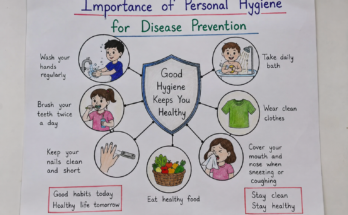
Good hygiene habits can help reduce exposure to germs. Washing your hands regularly with soap and water is one of the simplest ways to support infection prevention.
Wash your hands before eating, after using the bathroom, after returning from public places, and after touching potentially contaminated surfaces. Avoid touching your eyes, nose, and mouth with unwashed hands when possible.
Keeping commonly used personal items clean and practicing good food hygiene are also useful habits.
Healthy hygiene does not strengthen the immune system directly, but it can reduce exposure to infectious organisms and support your overall efforts to stay healthy.
Spend Time Outdoors
Spending time outdoors can support a healthy lifestyle in several ways. Outdoor activities can encourage physical movement, provide opportunities for relaxation, and help people maintain a regular routine.
A walk in a park, gardening, cycling, or simply spending some quiet time outside can be enjoyable ways to stay active and reduce daily stress.
However, outdoor activities should be practiced safely. Protect your skin from excessive sun exposure, stay hydrated in hot weather, and choose appropriate clothing for the conditions.
Support Gut Health
The digestive system and immune system are closely connected. A healthy diet that includes fiber and a variety of plant foods can support a healthy gut environment.
Fruits, vegetables, whole grains, beans, lentils, nuts, and seeds can provide dietary fiber. Fermented foods such as yogurt and some other fermented foods may also be included as part of a balanced diet.
Instead of focusing on expensive products marketed as instant immune boosters, building a varied diet is a more practical approach to supporting long term health.
Do Not Rely Too Much on Supplements
Many supplements are marketed as immune boosters, but supplements are not a replacement for healthy habits. The body needs a wide range of nutrients, and getting them from a varied diet is generally preferable when possible.
Some people may need specific supplements because of dietary restrictions, nutritional deficiencies, or other individual circumstances. However, taking large amounts of vitamins or minerals without professional advice is not necessarily beneficial and can sometimes cause problems.
If you are considering supplements for immune support, especially if you take medications or have a health condition, it is sensible to speak with a qualified healthcare professional.
Keep Up With Recommended Healthcare
Healthy habits are important, but regular healthcare also has an important role in protecting your wellbeing. Routine medical checkups can help identify potential health concerns and provide opportunities to discuss nutrition, sleep, exercise, vaccinations, and other preventive measures.
Recommended vaccinations can help the immune system recognize and respond to specific infections. Following advice from qualified healthcare professionals can therefore be an important part of a complete approach to health.
Do not ignore persistent or unusual symptoms simply because you are following a healthy lifestyle. When something does not feel right, professional medical advice can help determine the appropriate next step.
Build Healthy Habits Gradually
Trying to change everything at once can feel overwhelming. A better approach is to make small improvements and turn them into regular habits.
You might begin by adding one serving of vegetables to your daily meals, walking for twenty to thirty minutes, drinking more water, or setting a consistent bedtime. Once one habit becomes easier, you can add another.
Small changes can become powerful when practiced consistently. Your immune system is part of your entire body, so supporting overall health is one of the most practical ways to support normal immune function.
Conclusion
Learning how to strengthen your immune system with healthy habits does not require expensive products or complicated routines. The most useful approach is to build a healthy lifestyle that includes nutritious food, quality sleep, regular physical activity, adequate hydration, stress management, good hygiene, and avoidance of harmful substances.
A healthy immune system depends on many factors, and there is no guaranteed method that can prevent every illness. However, taking care of your body every day can support normal immune function and improve your overall wellbeing.
The key is consistency. Choose realistic habits that you can maintain over time rather than looking for quick solutions. By eating well, sleeping properly, staying active, managing stress, and taking care of your general health, you can give your body the support it needs to function at its best.