Regular health checkups are one of the simplest ways to protect your health and maintain a better quality of life. Many people visit a doctor only when they feel sick or notice a serious health problem. However, waiting for symptoms is not always the best approach because some health conditions can develop silently without causing noticeable signs in the early stages. Regular health checkups allow you and your doctor to understand your current health, identify possible risks, and take action before a small problem becomes more serious.
What Are Regular Health Checkups?
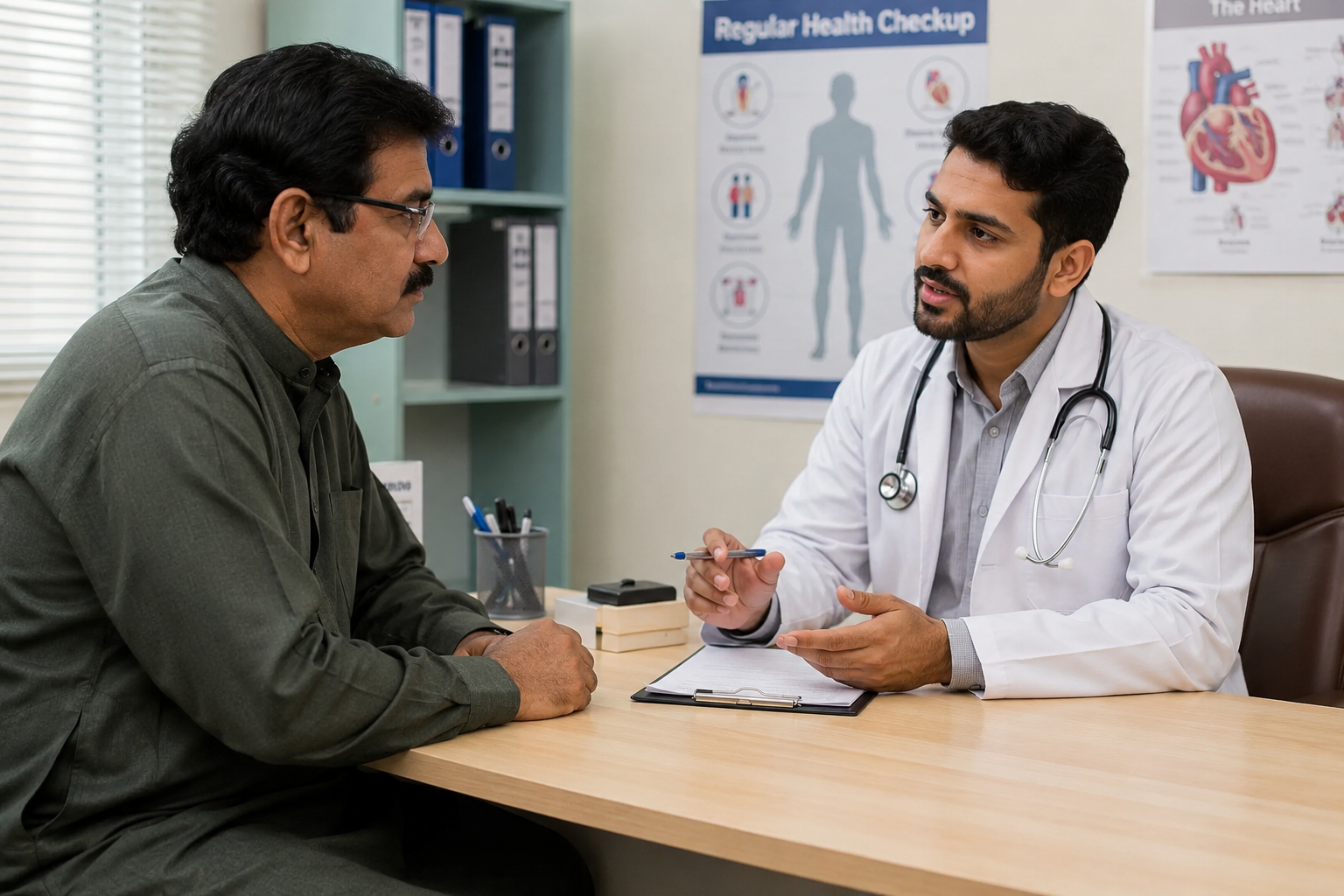
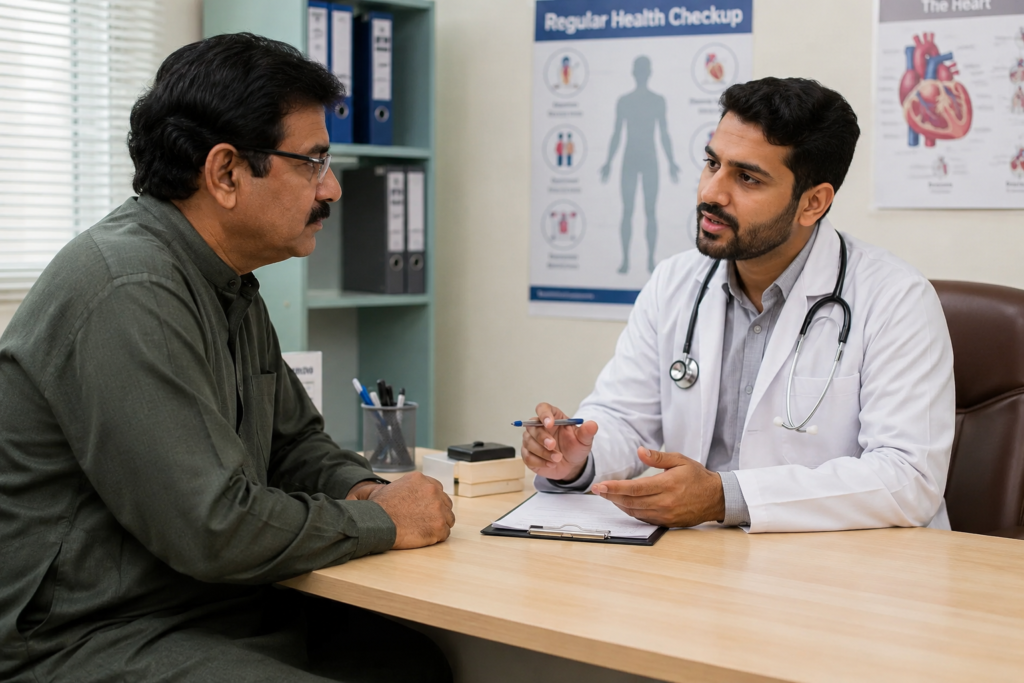
Regular health checkups are routine medical visits designed to evaluate your overall health. During a health checkup, a doctor may ask about your lifestyle, medical history, family health history, diet, physical activity, sleep, and any symptoms you may have noticed. Depending on your age, health history, and personal risk factors, your doctor may also recommend blood pressure measurements, blood tests, cholesterol screening, blood sugar testing, or other preventive screenings.
The purpose of regular health checkups is not only to treat illness. They are also an important part of preventive healthcare. A routine visit gives you an opportunity to discuss your health and learn how to reduce your risk of future diseases.
Early Detection of Health Problems
One of the biggest benefits of regular health checkups is early detection. Some health conditions may develop gradually and remain unnoticed for a long time. High blood pressure, high cholesterol, diabetes, and certain other conditions may not always produce clear symptoms during their early stages.
Regular medical checkups can help identify unusual changes before they become more difficult to manage. When a health problem is discovered early, treatment and lifestyle changes may be more effective. Early detection can also give people more time to understand their condition and make informed decisions about their health.
Helps Monitor Blood Pressure
Blood pressure is an important part of overall health. High blood pressure can exist without obvious symptoms, which is why regular monitoring is valuable. During a routine health checkup, your doctor can measure your blood pressure and explain whether your results are within a healthy range.
If your blood pressure is higher than expected, your doctor may recommend lifestyle changes or additional testing. Eating a balanced diet, staying physically active, maintaining a healthy body weight, reducing excessive salt intake, managing stress, and following medical advice can all support healthy blood pressure.
Supports Healthy Blood Sugar Levels
Regular health checkups can also help monitor blood sugar levels. High blood sugar may develop gradually and may not always cause noticeable symptoms at first. People with certain risk factors may benefit from appropriate blood sugar screening as recommended by their healthcare professional.
Identifying blood sugar problems early can encourage positive changes in diet, physical activity, body weight, and other lifestyle habits. For people who already have diabetes or another blood sugar related condition, regular medical appointments can help monitor progress and manage the condition properly.
Protects Heart Health
Heart health is another important reason to schedule regular health checkups. During a routine visit, a healthcare professional can review factors that may affect cardiovascular health, including blood pressure, cholesterol, body weight, physical activity, diet, smoking, and family history.
Understanding your heart health risk can motivate you to make healthier choices. Regular exercise, nutritious food, adequate sleep, stress management, and avoiding tobacco can all contribute to better cardiovascular health.
Helps Maintain a Healthy Body Weight
Maintaining a healthy body weight is important for overall wellness. Being significantly overweight or underweight can sometimes be associated with increased health risks. During a checkup, your doctor can discuss your weight, eating habits, activity level, and other factors that may affect your health.
A health professional can also help you establish realistic goals rather than relying on extreme diets or unhealthy weight loss methods. Small and consistent improvements in eating habits and physical activity can make a meaningful difference over time.
Mental Health Matters Too
Health checkups are not only about physical health. Mental wellbeing is also an important part of a healthy life. Stress, anxiety, low mood, sleep problems, and emotional difficulties can affect daily activities, relationships, work, and physical wellbeing.
A routine medical appointment provides an opportunity to talk openly about changes in mood, sleep, energy, or concentration. Speaking with a healthcare professional can help you understand whether additional support may be useful. Taking care of mental health is just as important as taking care of physical health.
Encourages Preventive Healthcare
Preventive healthcare focuses on reducing the chance of developing serious health problems. Regular checkups can help you stay informed about recommended screenings, vaccinations, lifestyle habits, and other preventive measures.
Preventive care can vary from person to person. Age, sex, family history, lifestyle, existing health conditions, and other factors can influence which screenings or tests are appropriate. Your healthcare professional can help you understand which preventive services are suitable for you.
Builds a Relationship With Your Doctor
Regular health checkups also help you build a relationship with your healthcare professional. When your doctor knows your medical history and understands your usual health patterns, it may become easier to recognize meaningful changes.
A strong doctor patient relationship can also make it easier to discuss concerns, ask questions, and receive personalized health advice. Instead of seeing a doctor only during an emergency, regular appointments create a more continuous approach to healthcare.
Understanding Family Health Risks
Family health history can provide useful information about potential health risks. Some diseases and health conditions can be more common among people with certain family histories.
During a regular checkup, you can discuss health conditions that have affected close family members. Your doctor can consider this information when deciding whether you may benefit from specific screening or preventive measures. Knowing your family health history can also encourage you to pay closer attention to healthy lifestyle choices.
Better Management of Existing Conditions
People who already have a health condition can benefit greatly from regular medical appointments. Checkups allow healthcare professionals to monitor symptoms, review treatment plans, and determine whether additional tests or changes are needed.
Regular monitoring may also help prevent complications. Following medical advice, taking prescribed medicines correctly, attending recommended appointments, and maintaining healthy daily habits can all support better health management.
Promotes Healthier Lifestyle Choices
Another important benefit of regular health checkups is receiving professional guidance about your lifestyle. You may have questions about nutrition, exercise, sleep, stress, body weight, or other areas of health.
A doctor can provide advice based on your individual situation. Instead of making sudden and unrealistic changes, you can work toward practical habits that fit your daily life. This can make healthy living easier to maintain over the long term.
Saves Time and May Reduce Future Health Costs
Preventive healthcare can sometimes reduce the need for more complicated treatment later. When a health concern is identified early, it may be easier to manage before it develops into a more serious problem.
Regular health checkups can therefore be viewed as an investment in your future wellbeing. Spending a small amount of time on preventive care may help you avoid unnecessary health complications and improve your ability to remain active and independent.
How Often Should You Have a Health Checkup?
The appropriate frequency of health checkups depends on several factors. Age, personal medical history, family history, lifestyle, existing health conditions, and individual risk factors can all influence how often you should see a healthcare professional.
Some people may need more frequent appointments, while others may require routine preventive visits at longer intervals. It is best to discuss your personal healthcare needs with a qualified medical professional rather than following a single schedule that applies to everyone.
How to Prepare for a Health Checkup
You can make your appointment more useful by preparing a few important details in advance. Write down any symptoms or health concerns you have noticed. Make a list of medicines and supplements you currently take. You can also note important changes in your sleep, diet, energy, weight, mood, or physical activity.
Prepare questions you want to ask your doctor. Being honest about your lifestyle, including your eating habits, physical activity, tobacco use, alcohol consumption, and stress levels, can help your healthcare professional provide more accurate advice.
Conclusion
The importance of regular health checkups should not be underestimated. Routine medical visits can support early detection, preventive healthcare, healthy blood pressure, blood sugar monitoring, heart health, healthy body weight, and mental wellbeing. They can also help people manage existing conditions and make better lifestyle choices.
Taking care of your health should not begin only when you become sick. Regular health checkups provide an opportunity to understand your body, identify potential concerns, and take preventive steps toward a healthier future. By making routine healthcare a normal part of life, you can become more aware of your health and take action before problems become more serious. A healthy future often begins with simple decisions made today, and scheduling regular health checkups is one of those important decisions.