Maintaining healthy blood pressure is an important part of protecting your overall health. Blood pressure helps move blood through your body and provides your organs with the oxygen and nutrients they need. When blood pressure stays too high for a long time, it can put extra pressure on the heart and blood vessels. The good news is that many simple lifestyle habits can support healthy blood pressure naturally.
A healthy lifestyle does not mean making huge changes overnight. Small improvements in your diet, physical activity, sleep, stress management, and daily routine can make a meaningful difference. If you already have high blood pressure, lifestyle changes can be helpful, but they should not replace prescribed medicine without guidance from your healthcare professional.
Eat More Fresh and Healthy Foods
One of the most effective ways to support healthy blood pressure naturally is to improve your daily diet. Fresh fruits and vegetables provide important vitamins, minerals, fiber, and antioxidants that support heart health.
Try to include foods such as apples, oranges, bananas, berries, tomatoes, carrots, spinach, cucumbers, and other vegetables in your meals. Whole grains, beans, lentils, nuts, seeds, and lean sources of protein can also be part of a balanced diet.
Foods rich in potassium may be especially helpful because potassium supports normal fluid balance in the body. Bananas, potatoes, beans, leafy green vegetables, and some fruits are good sources of potassium. However, people with certain kidney problems may need to limit potassium, so it is important to follow individual medical advice.
Reduce Salt in Your Diet
Eating too much sodium can contribute to higher blood pressure in some people. Many people get more salt than they realize because sodium is found in packaged foods, processed meats, sauces, canned foods, snacks, and restaurant meals.
Instead of adding extra salt to your food, try using herbs, spices, garlic, lemon, ginger, or other natural flavors. Read food labels when shopping and compare products to find options with less sodium.
Reducing salt does not mean your meals have to become boring. Using fresh ingredients and different herbs can make healthy food both flavorful and enjoyable.
Stay Physically Active
Regular physical activity is another important part of maintaining healthy blood pressure naturally. Exercise helps strengthen the heart and can improve circulation. It can also support a healthy body weight and overall fitness.
Walking is one of the easiest ways to become more active. A daily walk can be a simple starting point for people who do not exercise regularly. Other activities such as cycling, swimming, dancing, stretching, and light strength exercises can also be useful.
Try to make physical activity part of your normal routine rather than treating it as something you only do occasionally. Even short periods of movement throughout the day can help you become more active.
If you have been inactive for a long time or have a health condition, speak with a healthcare professional before starting a new exercise program.
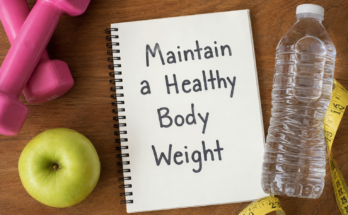
Maintain a Healthy Weight
Body weight can have an important relationship with blood pressure. Carrying excess weight may place additional stress on the heart and cardiovascular system.
Maintaining a healthy weight does not require extreme diets or rapid weight loss. A better approach is to focus on nutritious meals, regular physical activity, reasonable portion sizes, and sustainable habits.
If weight loss is appropriate for you, even gradual progress can be valuable. Focus on long term health rather than quick results. Healthy habits are easier to maintain when they become a normal part of your lifestyle.
Manage Daily Stress
Stress is a normal part of life, but constant stress can make it harder to maintain healthy habits. Finding simple ways to relax may support better overall heart health.
You can try deep breathing, quiet time, reading, gentle stretching, meditation, prayer, listening to relaxing music, or spending time outdoors. Talking with family members or trusted friends can also help when you feel overwhelmed.
Taking a few minutes each day to slow down can make your routine feel more manageable. Stress management is not about removing every stressful situation from life. It is about learning healthy ways to respond to everyday pressure.
Get Enough Quality Sleep
Good sleep is an important part of maintaining healthy blood pressure naturally. During sleep, your body gets time to rest and recover. Poor sleep or an irregular sleep schedule can affect overall health and may make it harder to maintain healthy blood pressure.
Try to keep a consistent bedtime and wake up time. Create a comfortable sleeping environment and avoid using your phone or other stimulating devices right before bed if they interfere with your sleep.
Limit caffeine late in the day and avoid heavy meals close to bedtime. A relaxing evening routine can also help prepare your body for sleep.
If you regularly have trouble sleeping, talk with a healthcare professional to identify possible causes.
Avoid Smoking and Limit Alcohol
Smoking can damage blood vessels and increase the risk of cardiovascular problems. If you smoke, quitting is one of the most beneficial steps you can take for your overall health.
Alcohol can also affect blood pressure, especially when consumed in large amounts. If you drink alcohol, moderation is important. People who do not drink should not start drinking for health reasons.
If you are trying to improve your heart health, avoiding tobacco and making responsible choices about alcohol can support your overall goals.
Drink Enough Water
Staying properly hydrated is another simple part of a healthy lifestyle. Water supports many important functions in the body, including normal circulation and temperature regulation.
Choose water as your main drink throughout the day. Your fluid needs can vary depending on your activity level, weather, diet, and health condition.
Sugary drinks can add unnecessary calories, so replacing them with water can also support healthy weight management. People with certain medical conditions may have specific fluid restrictions, so individual medical advice should always come first.
Eat Less Processed Food
Highly processed foods can contain large amounts of sodium, added sugars, and unhealthy fats. Eating them frequently may make it more difficult to maintain a balanced diet.
Instead, build meals around fresh or minimally processed foods. Homemade meals can make it easier to control the amount of salt and other ingredients in your food.
You do not have to completely eliminate your favorite foods. The goal is to make healthier choices more often while enjoying your meals in moderation.
Monitor Your Blood Pressure
Knowing your blood pressure is an important part of maintaining good health. Some people can have high blood pressure without noticeable symptoms, which is why regular monitoring can be useful.
A healthcare professional can explain how often you should check your blood pressure based on your age, health history, and personal risk factors. If you monitor it at home, follow the instructions for your blood pressure device and keep a record of your readings when recommended.
Do not become overly concerned about one unusual reading. Blood pressure can change throughout the day. However, consistently high readings should be discussed with a healthcare professional.
Build Healthy Habits Slowly
Maintaining healthy blood pressure naturally is not about finding one perfect food or one special exercise. It is about building a collection of healthy habits that you can continue over time.
Start with small goals. You might begin by taking a daily walk, eating more vegetables, reducing salty snacks, drinking more water, or improving your sleep schedule. Once one habit becomes comfortable, add another.
Small changes can become powerful when they are repeated consistently. A healthy lifestyle should feel realistic and enjoyable rather than extremely restrictive.
When to Seek Medical Advice
Lifestyle changes can support healthy blood pressure, but high blood pressure should not be ignored. If your blood pressure readings are repeatedly higher than recommended, speak with a qualified healthcare professional.
People who already take blood pressure medicine should not stop or change their medication without medical advice. Natural approaches can work alongside appropriate medical care, but they are not a replacement for treatment when treatment is needed.
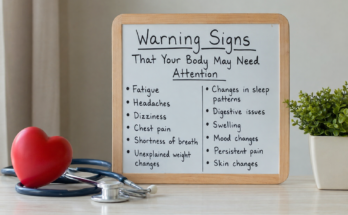
If you experience symptoms such as severe chest pain, difficulty breathing, severe weakness, confusion, or other serious symptoms, seek urgent medical care.
Conclusion
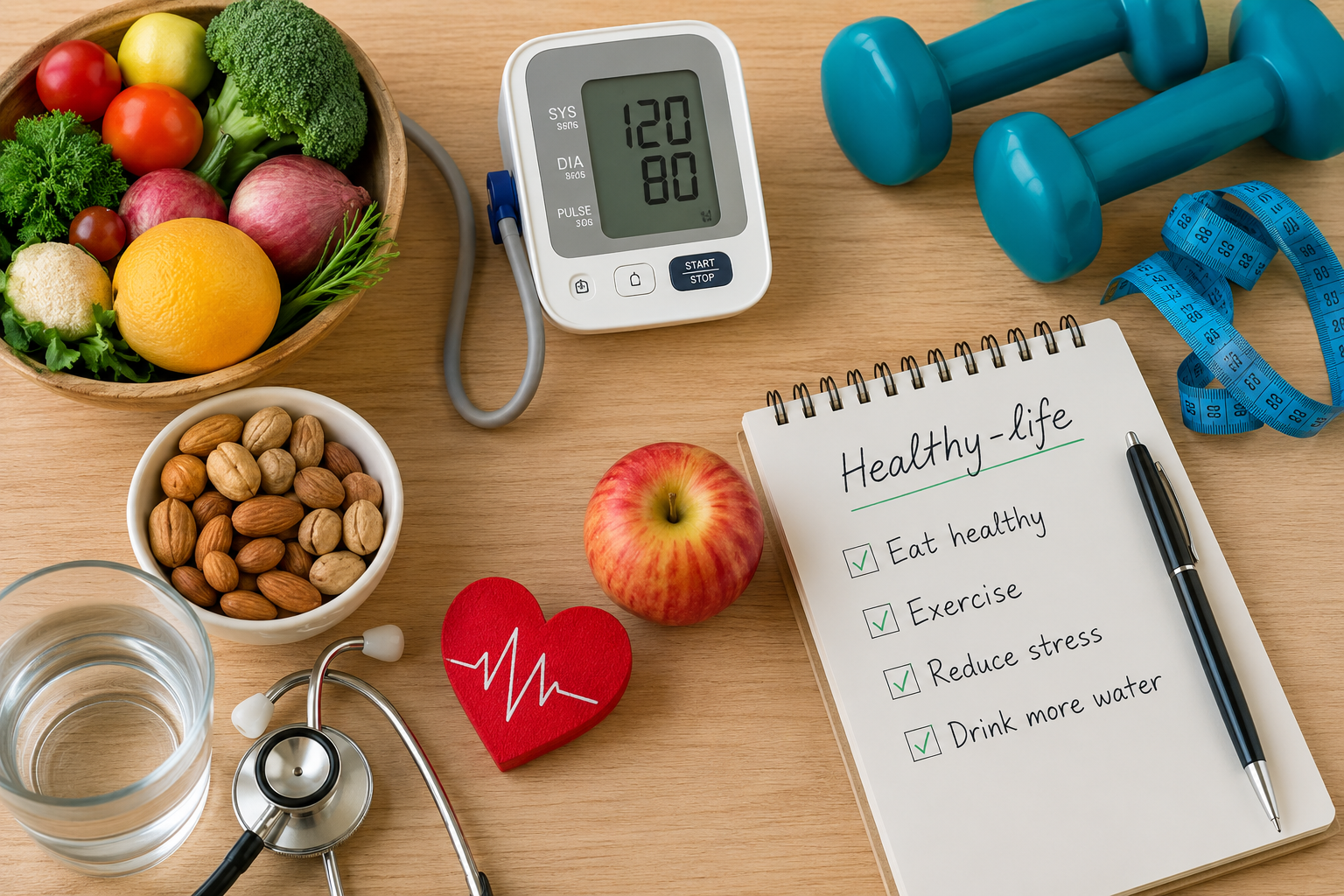
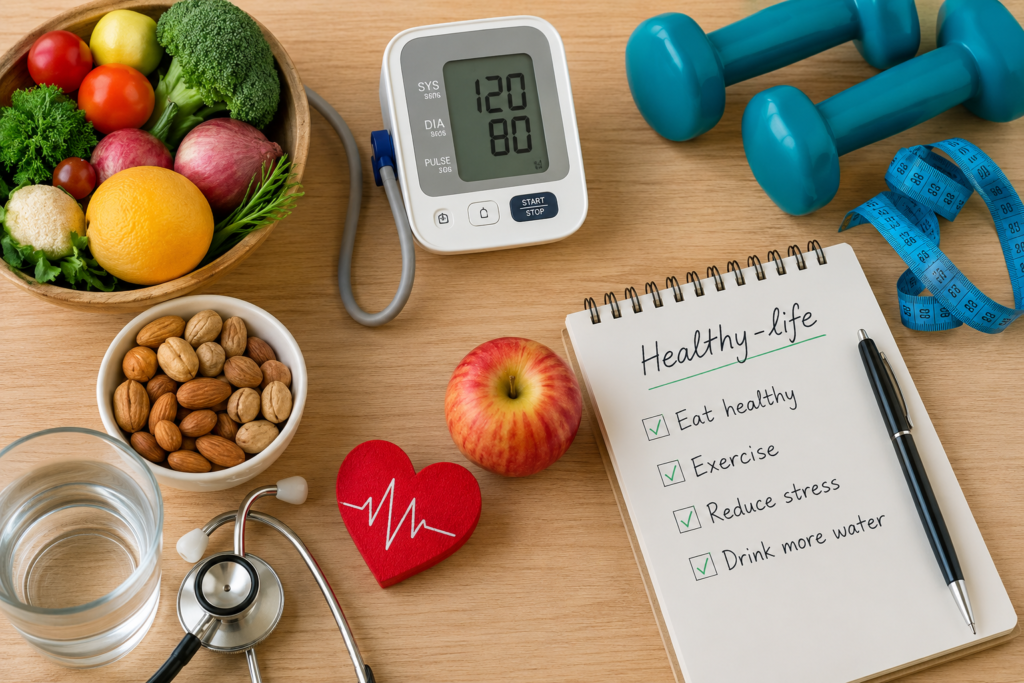
Maintaining healthy blood pressure naturally starts with everyday choices. Eating a balanced diet, reducing excess salt, staying physically active, maintaining a healthy weight, managing stress, getting enough sleep, avoiding smoking, limiting alcohol, drinking enough water, and monitoring your blood pressure can all support better cardiovascular health.
The most important thing is consistency. You do not need to change everything at once. Choose a few healthy habits and make them part of your daily routine. Over time, these simple choices can help support healthy blood pressure and contribute to a stronger, healthier body.
Remember that every person is different. If you have high blood pressure or another health condition, work with a healthcare professional to create a plan that is appropriate for you. Natural lifestyle habits are most effective when they become part of a complete approach to long term health.