
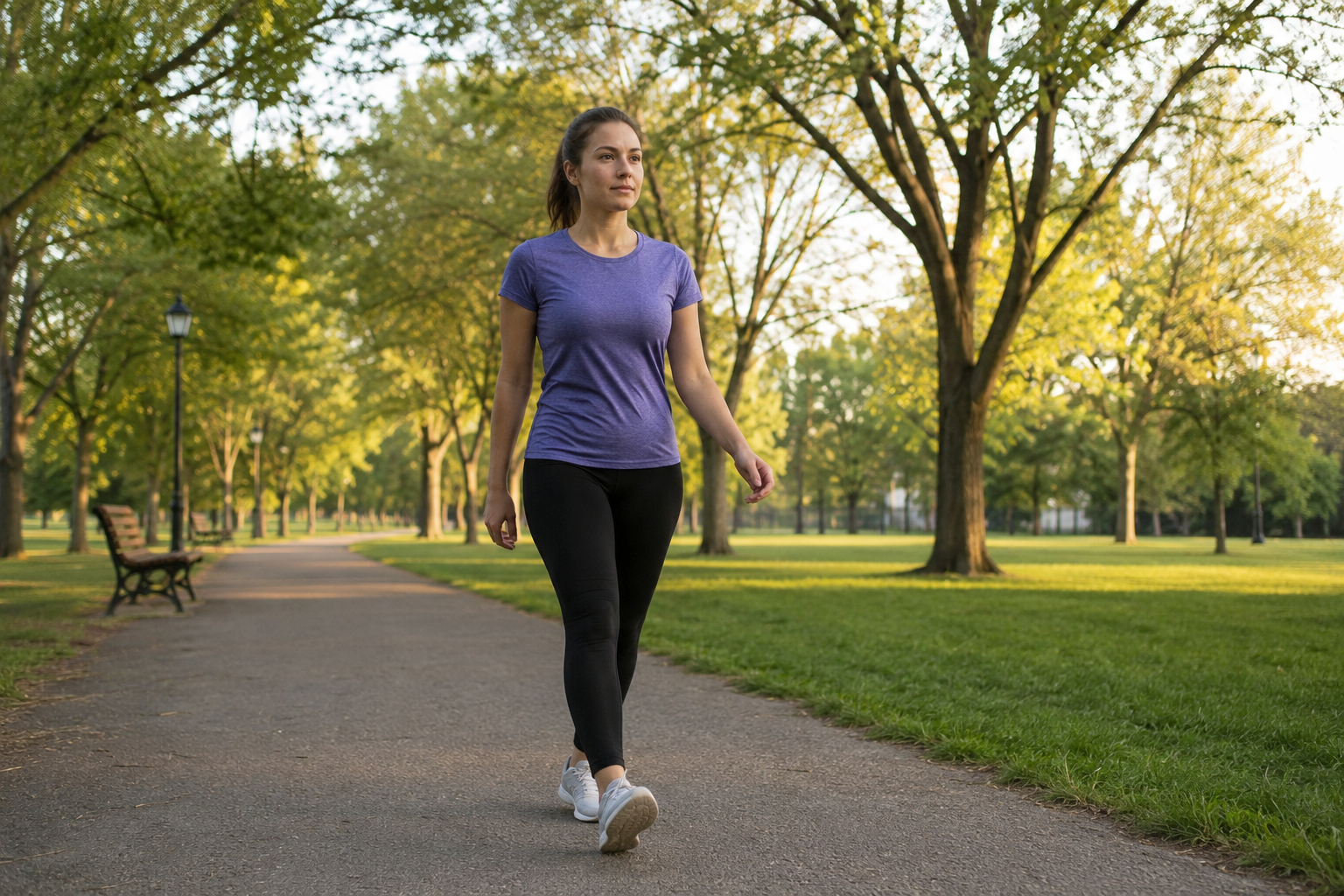
Walking is one of the simplest and most natural forms of physical activity. It does not require expensive equipment, a gym membership, or advanced training. Almost anyone can include walking in a daily routine, whether it is a short walk in the morning, a walk after dinner, or a longer walk on the weekend. Regular walking can support physical fitness, mental wellbeing, heart health, healthy body weight, and overall quality of life.
In today’s busy lifestyle, many people spend long hours sitting at work, using computers, watching television, or using mobile phones. This inactive lifestyle can affect overall health over time. Making walking a regular habit is an easy way to become more active and support a healthier lifestyle. Even small amounts of movement can be useful when they are repeated consistently.
What Makes Walking Good for Your Health
Walking is a low impact activity that moves many muscles throughout the body. It can increase your daily physical activity without putting excessive stress on your joints. The benefits of regular walking can become more noticeable when walking is combined with healthy eating, enough sleep, proper hydration, and other healthy habits.
A regular walking routine can also be adjusted according to your fitness level. Beginners can start with short and comfortable walks and gradually increase the duration or pace. People who already exercise regularly can include faster walking or longer walks in their routine.
Supports Heart Health
One of the important benefits of regular walking is its positive effect on heart health. Walking makes the heart work harder than it does during rest, which supports better circulation and cardiovascular fitness.
Regular physical activity such as walking can also support healthy blood pressure and cholesterol levels. A consistent walking habit may help reduce some risk factors associated with heart disease. Walking at a comfortable pace is a good starting point, while brisk walking can provide a stronger cardiovascular workout for people who are ready for more activity.
Taking a walk after sitting for a long period can also help break up inactive time during the day. This simple habit can make your daily routine more active.
Helps Maintain a Healthy Weight
Walking can be useful for people who want to maintain a healthy body weight. Physical activity uses energy, and regular walking can increase the amount of energy your body uses throughout the day.
The number of calories burned during walking depends on several factors, including walking speed, distance, body size, and terrain. Walking uphill or at a faster pace generally requires more effort than a slow walk on a flat surface.
For people trying to manage their weight, walking works best when combined with balanced nutrition and other healthy lifestyle habits. It is a practical activity that can be continued for a long time because it is simple and easy to fit into everyday life.
Improves Physical Fitness
Walking regularly can improve endurance and make everyday activities feel easier. As your body becomes accustomed to regular movement, you may notice that you can walk for longer periods without becoming as tired.
Walking also uses muscles in the legs, hips, and core. Walking on different surfaces or including gentle hills can make the activity more challenging.
You do not need to begin with a long walking session. Starting with a manageable amount of walking and slowly increasing your time can help create a sustainable exercise habit.
Supports Stronger Bones and Muscles
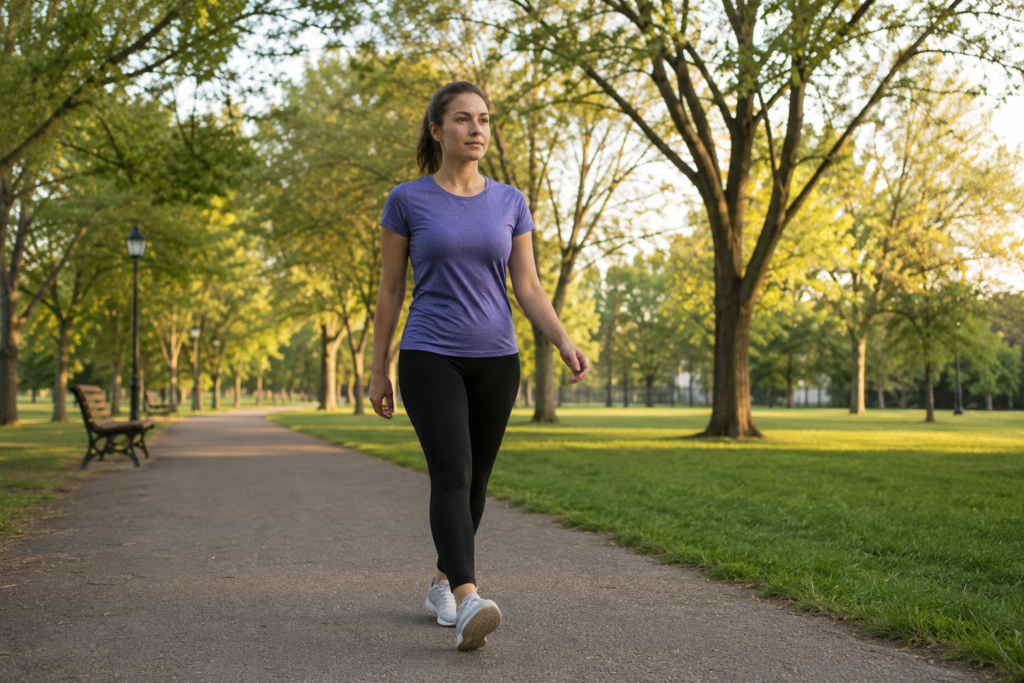
Regular physical activity is important for maintaining healthy bones and muscles. Walking is a weight bearing activity because your body supports its own weight while you move.
Consistent walking can help keep the muscles of the lower body active. It can also support mobility and physical independence as people get older. Combining walking with strength exercises can provide additional benefits for overall fitness.
Good footwear can make walking more comfortable, especially when walking for longer periods or on hard surfaces.
May Improve Mental Wellbeing
The benefits of regular walking are not limited to physical health. Walking can also support mental wellbeing. Physical activity can help people feel more relaxed and can provide a useful break from daily responsibilities.
A walk outdoors may be especially enjoyable because it gives you an opportunity to change your surroundings, get fresh air, and spend time away from screens. Some people enjoy walking while listening to music or podcasts, while others prefer walking quietly and paying attention to their surroundings.
A short walk can also provide a mental break during a busy day. Instead of remaining seated for hours, taking a few minutes to move can help you feel refreshed.
Helps Reduce Daily Stress
Daily responsibilities can sometimes create feelings of tension and stress. Walking can be a simple way to add movement and relaxation to your routine.
A calm walk can give you time to think, organize your thoughts, or simply focus on your surroundings. Walking with a friend or family member can also provide an opportunity for conversation and social connection.
Making walking part of your daily routine can create a healthy habit that gives you time away from work and other responsibilities.
Supports Better Sleep
Regular physical activity can support healthy sleep habits. People who walk consistently may find it easier to relax and maintain a regular sleep schedule.
Walking earlier in the day can provide physical activity without making the evening routine too demanding. A gentle evening walk may also help some people unwind after a busy day.
Sleep quality is influenced by many factors, including stress, daily routines, environment, and lifestyle. Walking can be one useful part of a healthy sleep routine.
Supports Healthy Blood Sugar Management
Physical activity can help the body use glucose for energy. Regular walking may therefore support healthy blood sugar management as part of an overall healthy lifestyle.
Some people find that a short walk after a meal is an easy way to add movement to their day. However, people with medical conditions affecting blood sugar should follow advice from their healthcare professional about exercise and activity.
Improves Mobility and Balance
Walking regularly helps keep the body moving through a natural range of motion. It can support flexibility, coordination, and general mobility.
For older adults, staying physically active can be particularly important for maintaining independence. Walking on safe and familiar surfaces can be a useful part of an active lifestyle. Balance exercises and strength training can also be added when appropriate.
Gives You More Energy
It may seem surprising, but regular movement can help you feel more energetic. Long periods of sitting can sometimes leave people feeling sluggish. A short walk can provide a change of activity and help you feel more awake.
Instead of remaining seated throughout the entire day, try adding short walking breaks. Walking to another room, taking the stairs when appropriate, or going outside for a few minutes can all increase daily movement.
Easy Ways to Walk More Every Day
Adding more walking to your routine does not have to be complicated. You can start by choosing small opportunities to move.
Take a short walk in the morning or evening. Walk while talking on the phone when possible. Choose stairs instead of an elevator when it is comfortable and safe. Park a little farther from your destination. Take short walking breaks during long periods of sitting. Walk with family or friends to make the activity more enjoyable.
You can also set simple goals based on time rather than distance. For example, beginning with a fifteen minute walk and gradually increasing the duration can make regular walking easier to maintain.
How to Build a Consistent Walking Habit
Consistency is more important than trying to do too much at once. Choose a time of day that fits naturally into your schedule. Some people prefer walking before work, while others enjoy walking after dinner.
Start at a comfortable pace and increase your walking time gradually. If you are new to exercise, avoid pushing yourself too hard in the beginning.
Comfortable shoes and suitable clothing can also make walking more enjoyable. When walking outdoors, choose safe routes and consider the weather and time of day.
Keeping track of your walking can provide motivation. You can record your walking time, distance, or number of days you walked each week. The goal is to create a routine that you can continue for the long term.
Final Thoughts
The benefits of regular walking make it one of the most practical forms of physical activity. Walking can support heart health, healthy weight management, physical fitness, strong muscles and bones, mental wellbeing, better sleep, mobility, and daily energy.
You do not need to make major changes to begin. A short walk today can be the first step toward a more active lifestyle. As your walking habit becomes consistent, you can gradually increase your time, distance, or pace according to your comfort and fitness level.
The most important thing is to keep moving regularly and make walking a natural part of your everyday life. Small daily efforts can add up over time and help support better overall health and wellbeing.