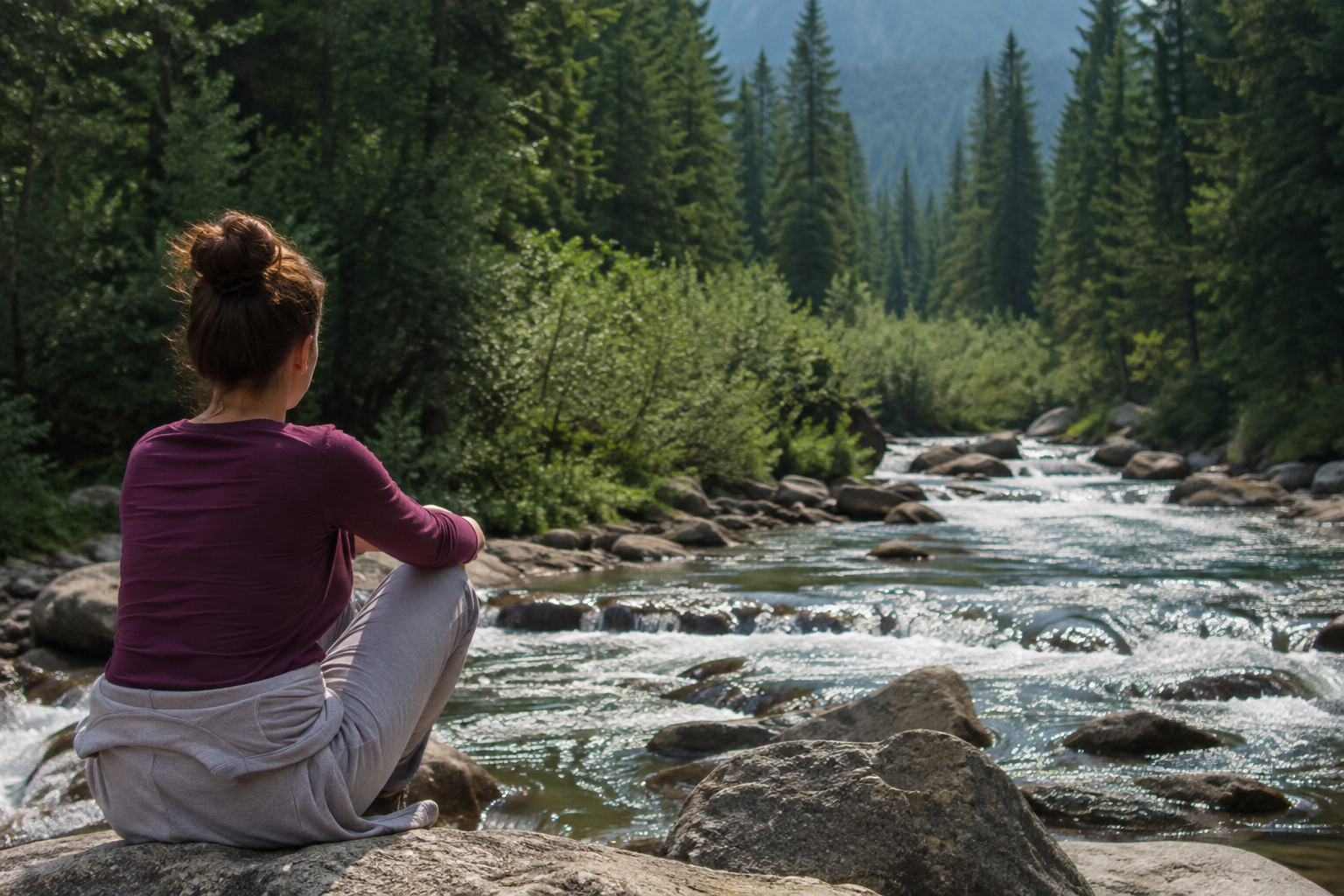
Spending time in nature can be one of the simplest ways to support better mental health. Modern life often keeps people busy with work, studies, family responsibilities, mobile phones, social media, and other daily pressures. Because of this busy lifestyle, many people spend most of their day indoors and have very little connection with natural surroundings. Taking time to enjoy trees, fresh air, sunlight, gardens, parks, rivers, or open spaces can help the mind feel calmer and more refreshed.
The benefits of spending time in nature for mental health are becoming increasingly important as people look for simple and healthy ways to manage everyday stress. Nature does not require expensive equipment or complicated routines. Even a short walk in a green space can provide a positive change in mood and help create a feeling of peace.
Nature Can Help Reduce Daily Stress
One of the major benefits of spending time in nature is its ability to support stress relief. Daily responsibilities can make people feel mentally tired and overwhelmed. Work pressure, financial concerns, family problems, and constant notifications can keep the brain active for long periods.
A peaceful natural environment can provide a break from these pressures. Walking through a park, sitting under a tree, or simply looking at plants can create a calmer atmosphere. Natural surroundings may help people slow down and pay attention to their surroundings instead of constantly thinking about problems.
Spending time outdoors can also encourage people to take deeper breaths and relax their bodies. When the mind gets a chance to rest, everyday stress can become easier to manage.
Nature May Improve Mood
Another important benefit of nature for mental health is improved mood. People often feel more positive when they spend time in pleasant outdoor environments. Fresh air, natural light, greenery, and open spaces can create a sense of comfort and relaxation.
A simple morning walk in a garden can help someone start the day with a more positive mindset. Similarly, spending time outdoors after a stressful day can help create emotional distance from daily problems.
Nature can also provide opportunities to enjoy small moments. Listening to birds, watching clouds, observing flowers, or feeling a gentle breeze can encourage people to appreciate the present moment. These simple experiences can make an ordinary day feel more enjoyable.
Spending Time Outdoors Can Support Mental Relaxation
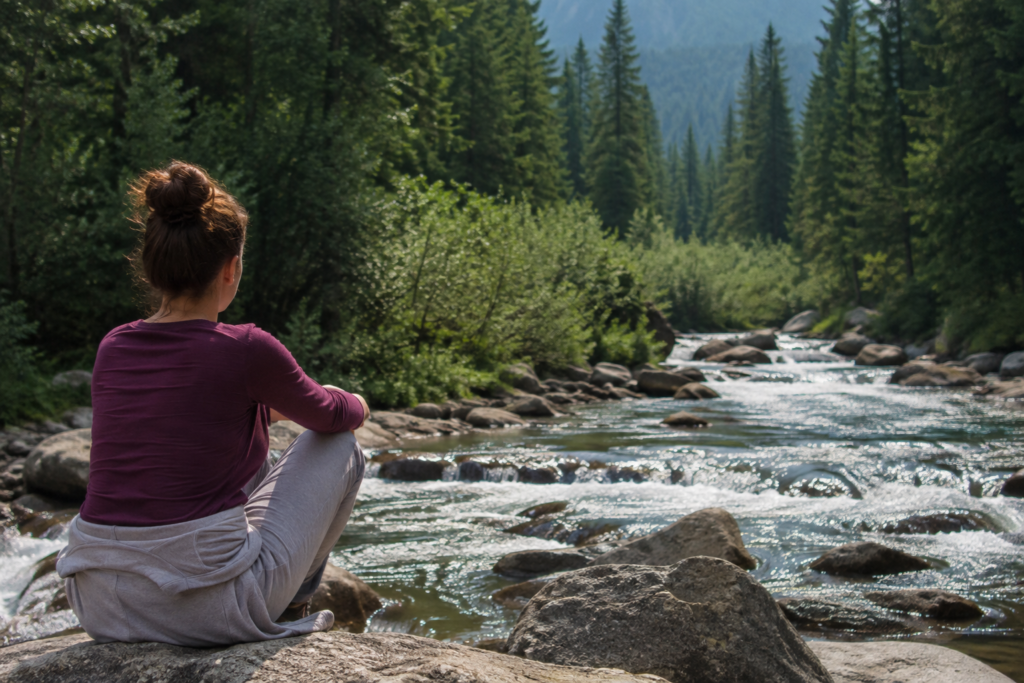
The human mind needs regular breaks. Constant concentration on work, screens, and responsibilities can cause mental tiredness. Spending time in nature gives the brain an opportunity to move away from continuous digital stimulation.
A walk outside does not require people to focus on complicated information. Instead, they can observe trees, plants, animals, sunlight, and the surrounding environment. This change in attention may help the mind feel less crowded.
For people who spend many hours using computers or smartphones, outdoor activities can be especially useful. Putting the phone away for a short period and focusing on nature can create a peaceful mental break.
Nature Can Support Better Sleep
Healthy sleep is closely connected with good mental health. Spending time outdoors during the day may support a healthier daily routine. Natural light helps the body recognize the difference between daytime and nighttime, which can support a regular sleep schedule.
Physical activities such as walking, gardening, or hiking can also make the body naturally tired in a healthy way. When combined with a consistent sleep routine, regular outdoor activity may help people feel more prepared for rest at night.
However, spending time in nature should be part of an overall healthy lifestyle. Good sleep habits, balanced nutrition, regular physical activity, and appropriate medical care are also important.
Nature Can Encourage Physical Activity
Mental and physical health are strongly connected. Spending time outdoors often encourages people to move their bodies. Walking, cycling, hiking, gardening, and playing outdoor games are simple examples of physical activities that can be enjoyed in natural surroundings.
Regular physical activity can help improve energy levels and support emotional wellbeing. When people combine movement with a pleasant outdoor environment, exercise may feel more enjoyable and less like a difficult task.
Even a short daily walk can be a useful starting point. People who are not used to exercising can begin with a comfortable pace and gradually increase their activity as they become more comfortable.
Nature May Help Improve Focus
Another benefit of spending time in nature is that it may support concentration and mental focus. Modern environments can contain many distractions, including traffic, advertisements, notifications, messages, and digital entertainment.
Natural environments can offer a different type of stimulation. The gentle movement of leaves, sounds of birds, and changing patterns of light can be interesting without demanding intense mental effort.
Taking a short outdoor break during a busy day may help a person return to work or study feeling more refreshed. Students and workers can benefit from stepping outside for a few minutes instead of staying focused on a screen for many continuous hours.
Spending Time in Nature Can Reduce Feelings of Loneliness
Nature can also create opportunities for social connection. People can visit parks with friends, walk with family members, join outdoor groups, or participate in activities such as gardening and hiking.
Social interaction is important for emotional wellbeing. Sharing an outdoor experience with someone can provide conversation, laughter, and a sense of connection.
Even when someone spends time outdoors alone, being surrounded by a peaceful environment can provide a feeling of comfort. Nature can create a space where people can reflect on their thoughts without the pressure of a busy social environment.
Nature Can Encourage Mindfulness
Mindfulness means paying attention to the present moment. Nature can make mindfulness easier because it provides many simple things to observe.
For example, a person can focus on the sound of rain, the movement of leaves, the smell of flowers, or the feeling of sunlight. Instead of worrying about the past or future, attention can return to what is happening right now.
This practice can become a simple part of a daily routine. A person does not need special equipment or a long meditation session. Sitting quietly outdoors for several minutes and observing the surroundings can be a useful way to practice being present.
Gardening Can Support Mental Wellbeing
Gardening is another simple way to experience the benefits of nature. Planting flowers, growing vegetables, watering plants, and caring for a garden can provide a sense of purpose and achievement.
Watching a small plant grow over time can be rewarding. Gardening also encourages people to spend time outdoors and focus on a practical activity.
For people who do not have access to a large garden, small plants can be grown in containers, balconies, or small outdoor spaces. Even caring for a few plants can create a stronger connection with nature.
Nature Can Provide a Healthy Break From Technology
Technology has become an important part of everyday life, but excessive screen time can make people feel mentally tired. Phones, computers, and social media can keep the brain continuously engaged.
Spending time in nature provides an opportunity to disconnect for a while. A person can leave the phone behind during a short walk or turn off notifications while sitting in a garden.
This does not mean technology needs to be completely avoided. Instead, creating regular periods without screens can help establish a healthier balance between digital life and the natural world.
Simple Ways to Spend More Time in Nature
People do not need to travel to mountains or forests to enjoy the benefits of nature. Simple activities can easily become part of everyday life.
Take a walk in a nearby park. Sit outside while drinking tea or coffee. Spend a few minutes caring for plants. Eat a meal outdoors when the weather is comfortable. Walk instead of driving for short distances when possible. Visit a garden with family members. Take a weekend trip to a natural area. Watch the sunrise or sunset. These small activities can help increase daily contact with nature.
The most important thing is consistency. Spending a few minutes outdoors regularly may be more practical than waiting for a rare vacation to experience nature.
Conclusion
The benefits of spending time in nature for mental health include stress relief, better mood, mental relaxation, improved focus, healthier daily routines, physical activity, and stronger connections with the present moment. Nature offers a simple environment where people can slow down and give their minds a much needed break from daily pressure.
A healthier relationship with nature does not require major lifestyle changes. A short walk, time in a garden, caring for plants, or sitting quietly under a tree can be enough to begin. By making outdoor time a regular part of everyday life, people can create more opportunities for relaxation and emotional wellbeing.
Nature is not a replacement for professional mental health care when someone is experiencing serious or persistent emotional difficulties. However, as part of a healthy lifestyle, spending time outdoors can be a simple and enjoyable way to support mental health and create a greater sense of balance in everyday life.