A healthy lifestyle is one of the most important ways to improve overall health and enjoy a better quality of life. The way we eat, sleep, move our bodies, manage stress, and spend our daily time has a direct effect on physical and mental well being. Many health problems can be reduced by making simple and consistent lifestyle choices. A healthy lifestyle does not mean following a strict routine or giving up everything we enjoy. It means creating balanced habits that support the body and mind every day.
In modern life, people often have busy schedules, unhealthy eating habits, limited physical activity, and high levels of stress. These habits can slowly affect health and increase the risk of different health problems. By choosing a healthier lifestyle, people can improve energy levels, maintain a healthy weight, support the immune system, and feel better both physically and mentally. Understanding the importance of a healthy lifestyle can encourage people to make positive changes that last for many years.
What Is a Healthy Lifestyle?
A healthy lifestyle is a way of living that supports physical health, mental health, and emotional well being. It includes eating nutritious foods, exercising regularly, getting enough sleep, drinking enough water, managing stress, and avoiding harmful habits.
Healthy living is not about being perfect. It is about making better choices most of the time. Small changes can make a meaningful difference when they become part of a regular routine. For example, choosing fresh foods more often, walking every day, sleeping at a consistent time, and taking short breaks from stressful activities can all contribute to better health.
Importance of Healthy Eating
Healthy eating is an important part of a healthy lifestyle. The body needs different nutrients to produce energy, repair tissues, support the immune system, and keep organs working properly. A balanced diet should include fruits, vegetables, whole grains, protein sources, and healthy fats.
Eating a variety of nutritious foods can help the body receive essential vitamins and minerals. Fresh fruits and vegetables provide important nutrients and dietary fiber. Whole grains can provide long lasting energy, while protein supports muscles and body tissues. Healthy fats can also play an important role in supporting normal body functions.
It is also helpful to reduce excessive intake of highly processed foods, added sugars, and foods that are very high in unhealthy fats or salt. Healthy eating does not require expensive foods. Simple meals prepared with fresh and balanced ingredients can support better health.
Benefits of Regular Physical Activity
Regular physical activity is another major part of a healthy lifestyle. Exercise helps strengthen muscles and bones, supports heart health, improves circulation, and can help maintain a healthy body weight.
People do not always need intense workouts to become more active. Walking, cycling, swimming, stretching, dancing, gardening, and other enjoyable activities can contribute to daily physical activity. The most important thing is to stay consistent and choose activities that can be continued over time.
Regular exercise can also improve mood and reduce feelings of stress. Physical activity encourages the body to release chemicals that can help people feel more positive and relaxed. For this reason, exercise can support both physical health and mental well being.
The Role of Good Sleep
Sleep is often overlooked when people think about healthy living, but it is essential for better health. During sleep, the body gets an opportunity to rest and recover. Good sleep can support concentration, memory, mood, energy, and normal body functions.
Adults generally need a regular amount of quality sleep each night, although individual needs can vary. Creating a consistent sleep schedule can make it easier to develop healthy sleep habits. A comfortable sleeping environment, reduced screen use before bedtime, and avoiding excessive caffeine late in the day may also support better sleep.
Poor sleep can make people feel tired and less focused during the day. Over time, consistently poor sleep may also affect overall health. Making sleep a priority is therefore an important part of a healthy lifestyle.
Importance of Drinking Enough Water
Water is essential for the body. It helps regulate body temperature, supports digestion, carries nutrients, and helps normal body functions continue properly. Drinking enough water throughout the day can also help prevent dehydration.
The amount of water a person needs can vary depending on factors such as activity level, weather, diet, and individual needs. Drinking water regularly is generally a simple way to support healthy living. People who exercise or spend time in hot environments may need more fluids.
Replacing sugary drinks with water more often can also be a useful healthy habit. It can reduce unnecessary sugar intake while helping the body stay hydrated.
Managing Stress for Better Health
Stress is a normal part of life, but constant or excessive stress can affect both mental and physical well being. A healthy lifestyle should include ways to manage daily stress.
Relaxing activities such as walking, reading, listening to music, spending time with family, practicing breathing exercises, or enjoying hobbies can help people manage stress. Planning daily tasks and taking regular breaks can also prevent people from feeling overwhelmed.
It is important to understand that asking for support is also part of healthy living. Talking with trusted people when life becomes difficult can provide emotional support and help a person feel less alone.
Maintaining a Healthy Weight
A healthy lifestyle can help people maintain a healthy weight. Eating balanced meals and staying physically active are two important factors in weight management.
Maintaining a healthy weight is not about following extreme diets or trying to lose weight quickly. Extreme approaches may be difficult to maintain and may not provide the body with the nutrients it needs. A balanced approach that includes nutritious food, regular movement, adequate sleep, and healthy habits is generally more sustainable.
Every person’s body and nutritional needs are different. The goal should be better health rather than focusing only on appearance or a number on a scale.
Avoiding Harmful Habits
Avoiding harmful habits is another important part of a healthy lifestyle. Smoking and excessive alcohol consumption can negatively affect health and may increase the risk of serious health problems.
People can also improve their health by limiting habits that encourage inactivity, poor sleep, or unhealthy eating. Spending too much time sitting or using screens without breaks can make it harder to stay active. Replacing some sedentary time with walking or other physical activities can support a healthier routine.
Healthy Lifestyle and Mental Health
A healthy lifestyle is not only about physical health. Mental health is equally important. Regular exercise, healthy food, quality sleep, social connections, and stress management can all support emotional well being.
Spending time with supportive friends and family can create a sense of connection. Having hobbies and personal interests can also provide relaxation and enjoyment. Taking care of mental health should be considered a normal and necessary part of healthy living.
When someone experiences ongoing emotional difficulties, seeking professional support can be an important step. Mental health deserves the same attention and care as physical health.
Simple Ways to Build a Healthy Lifestyle
Building a healthy lifestyle does not require changing everything at once. Starting with small goals can make healthy habits easier to maintain.
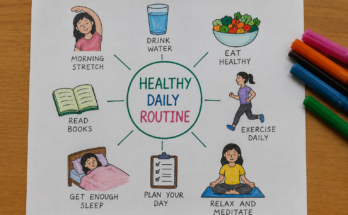
Begin by adding more fruits and vegetables to meals. Try to walk regularly and gradually increase physical activity. Create a consistent bedtime routine and make sleep a priority. Drink water throughout the day and reduce sugary drinks. Take short breaks during long periods of sitting. Find healthy ways to manage stress and spend time with people who provide positive support.
Consistency is more important than perfection. Missing one workout or eating an unhealthy meal does not mean that a healthy lifestyle has failed. The important thing is to return to healthy habits and continue moving forward.
Conclusion
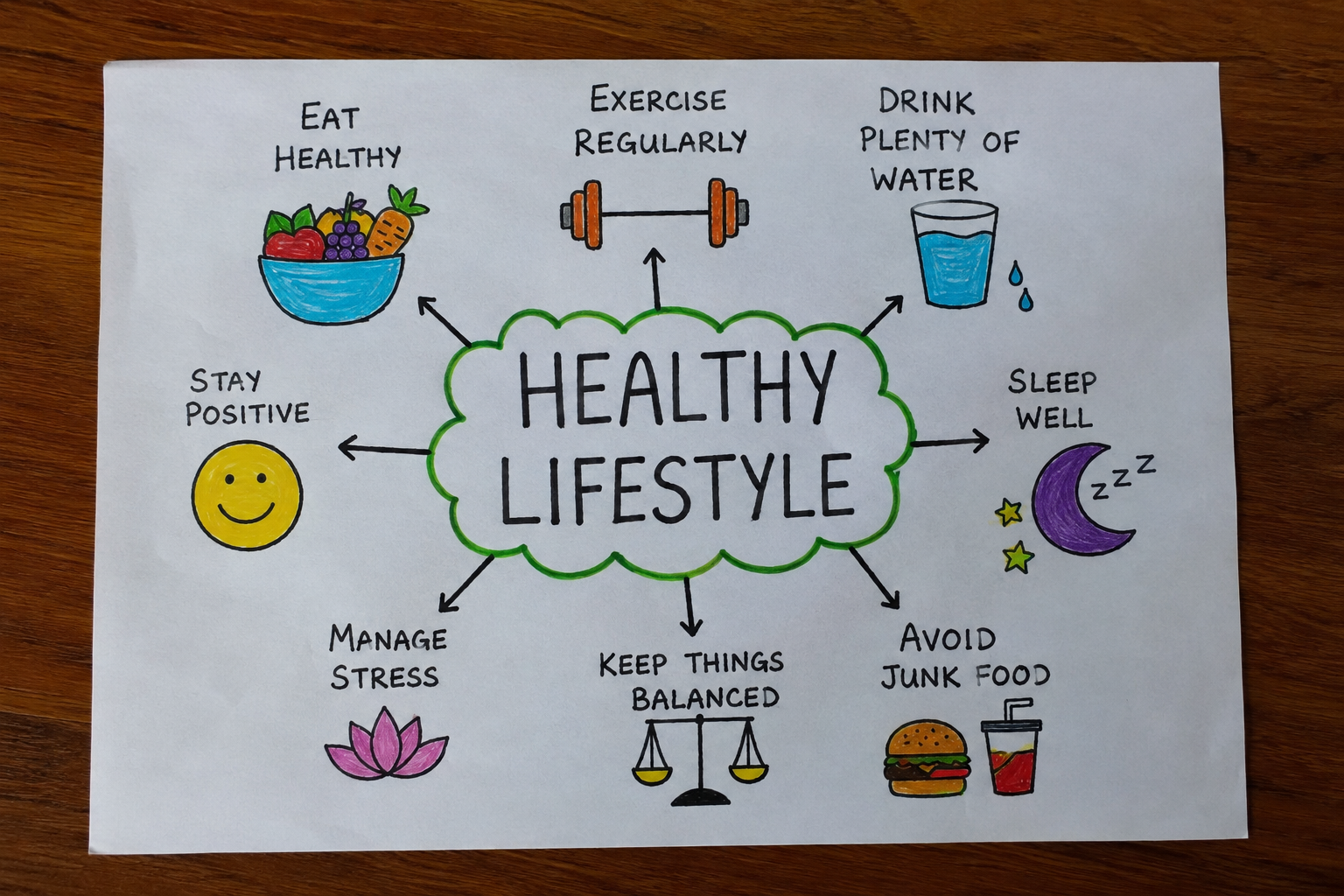
The importance of a healthy lifestyle for better health cannot be ignored. Healthy eating, regular physical activity, quality sleep, proper hydration, stress management, and avoiding harmful habits can all contribute to improved physical and mental well being.
A healthy lifestyle is not a temporary diet or a short term challenge. It is a long term approach to taking care of the body and mind. Small daily choices can gradually create meaningful improvements in health, energy, mood, and quality of life.
By developing realistic and sustainable habits, people can take greater responsibility for their health and create a stronger foundation for the future. The best time to start living a healthier lifestyle is today, with simple changes that can become lasting habits.