A strong and healthy body starts with the food we eat every day. Healthy eating habits provide the body with the energy, vitamins, minerals, protein, healthy fats, and other nutrients it needs to work properly. Many people think healthy eating means following a strict diet or avoiding all their favorite foods, but it is actually about making better food choices consistently. A balanced diet combined with healthy eating habits can support physical strength, energy levels, immunity, digestion, and overall well being.
In today’s busy lifestyle, people often choose fast food, sugary drinks, processed snacks, and meals that are low in important nutrients. Eating these foods regularly can make it harder for the body to maintain good health. Learning simple and practical healthy eating habits can make a big difference without making meals complicated.
Eat a Balanced Diet Every Day
One of the most important healthy eating habits is following a balanced diet. The body needs different nutrients to perform its daily functions, so eating a variety of foods is essential.
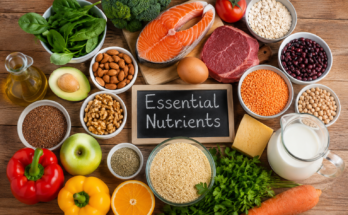
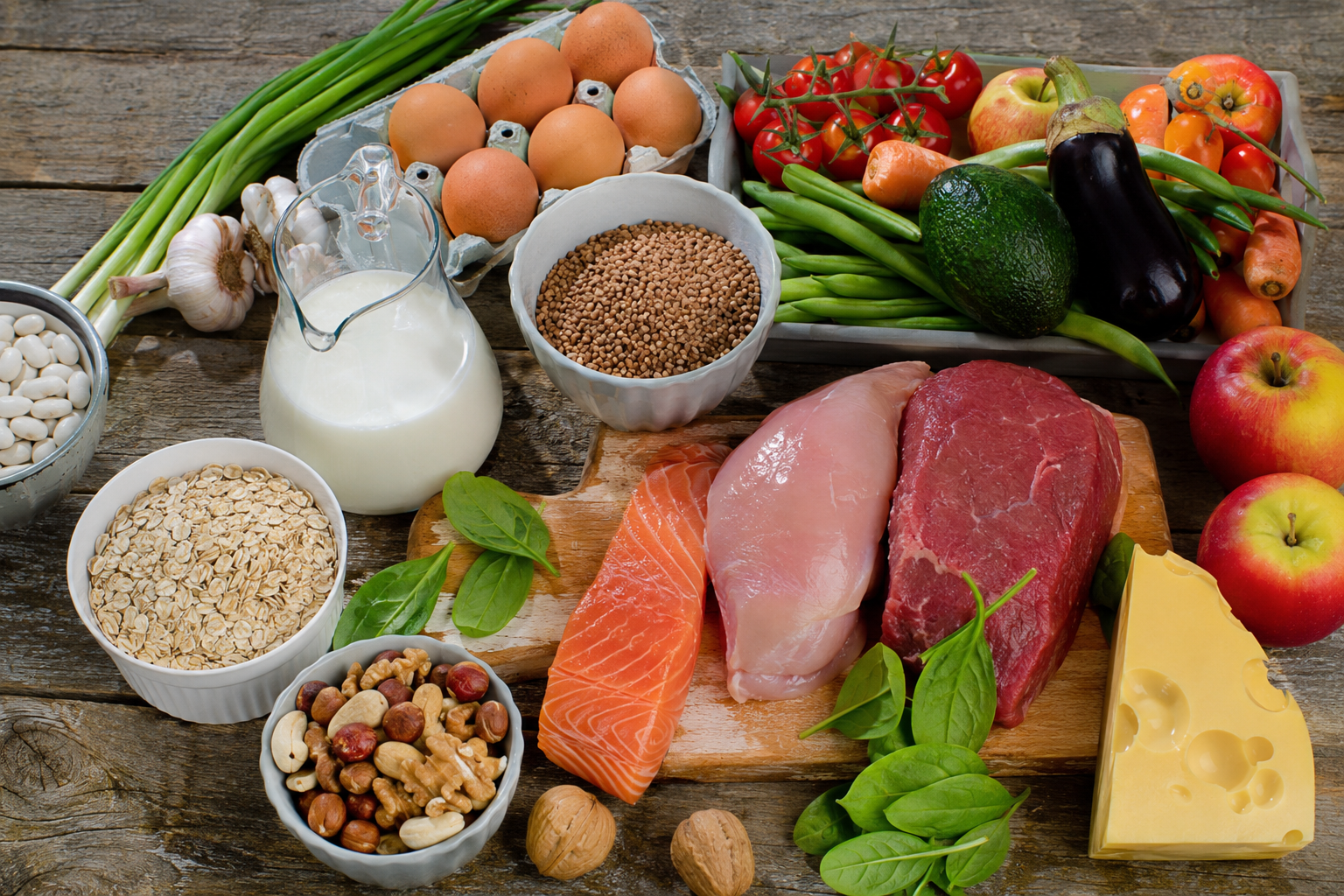
A balanced diet should include vegetables, fruits, whole grains, protein rich foods, and healthy sources of fat. Each food group provides different nutrients. Vegetables and fruits provide vitamins, minerals, fiber, and antioxidants. Whole grains provide carbohydrates and fiber for energy. Protein helps maintain muscles and supports body repair. Healthy fats support the brain, heart, and other important functions.
Instead of eating the same foods every day, try to include different colors and types of natural foods in your meals. A varied diet can help the body receive a wider range of nutrients.
Make Vegetables Part of Your Meals
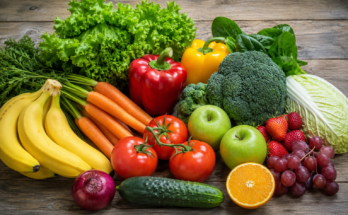
Vegetables are an important part of healthy eating because they contain many essential nutrients while being naturally low in calories. Green vegetables such as spinach, broccoli, peas, and lettuce can provide vitamins and minerals that support overall health.
Other vegetables such as carrots, tomatoes, bell peppers, cucumbers, and sweet potatoes also offer valuable nutrients. Adding vegetables to lunch and dinner can make meals more filling and nutritious.
You do not always need complicated recipes. Vegetables can be added to soups, rice dishes, sandwiches, eggs, salads, and homemade meals. Keeping fresh or frozen vegetables available at home can make healthy choices easier.
Choose Fresh Fruits for Natural Nutrition
Fruits are another important part of a healthy diet. They contain natural carbohydrates that provide energy along with fiber, vitamins, minerals, and antioxidants.
Apples, bananas, oranges, berries, mangoes, grapes, and other fruits can be convenient snacks during the day. Eating whole fruit is generally a better choice than relying on sugary fruit drinks because whole fruits contain fiber.
If you often crave sweets, keeping fruit nearby can help you choose a naturally sweet snack instead of processed desserts. You can also add fruit to oatmeal, yogurt, smoothies, or breakfast meals.
Include Enough Protein
Protein plays an important role in building and maintaining muscles. It also supports the body’s repair processes and helps you feel satisfied after meals.
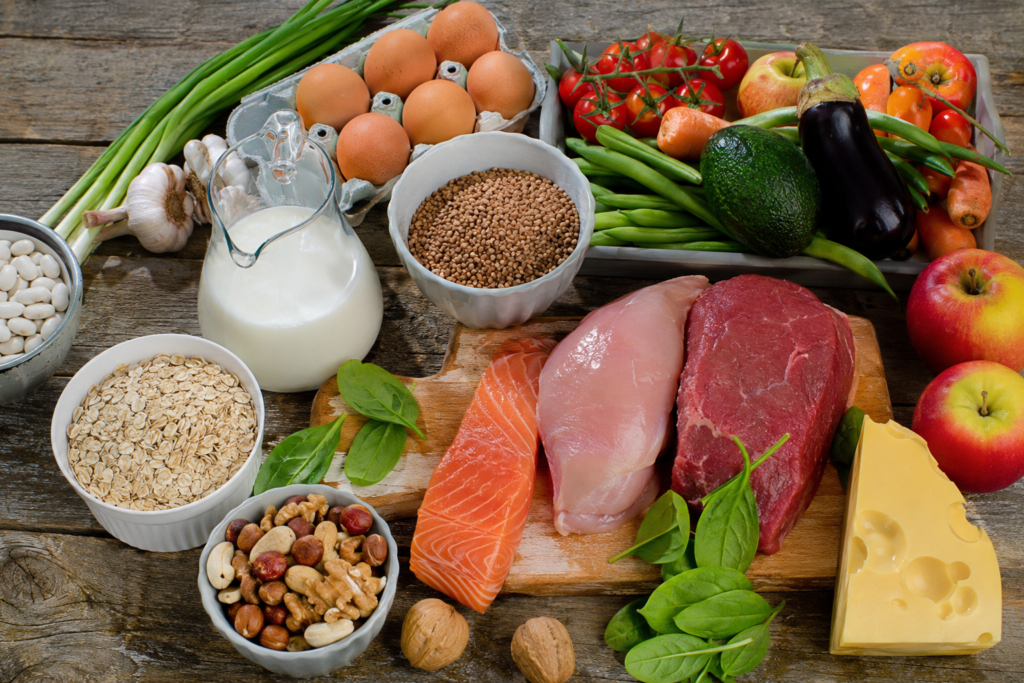
Good sources of protein include eggs, fish, chicken, beans, lentils, peas, yogurt, milk, nuts, and seeds. Plant based foods can also provide protein when included as part of a balanced diet.
Including a source of protein in your meals can support a stronger body and help maintain healthy eating habits. For example, you can add eggs to breakfast, beans or chicken to lunch, and fish or lentils to dinner.
Choose Whole Grains More Often
Whole grains can be an important part of healthy eating. Foods such as oats, brown rice, whole wheat bread, whole grain pasta, and other minimally processed grains provide carbohydrates and fiber.
Fiber is useful for digestive health and can help meals feel more satisfying. Choosing whole grain foods more often can also make your meals more nutritious.
You do not have to change everything at once. Start by replacing some refined grain foods with whole grain alternatives and gradually make them a regular part of your diet.
Drink Enough Water
Good nutrition is not only about solid food. Drinking enough water is also an important healthy eating habit. Water helps the body perform many essential functions and supports normal hydration.
Some people mistake thirst for hunger and eat when they actually need fluids. Keeping a bottle of water nearby can encourage regular drinking throughout the day.
Water is usually a better everyday choice than sugary sodas and heavily sweetened drinks. If you want more flavor, you can add slices of lemon, cucumber, orange, or other fresh fruits to your water.
Limit Highly Processed Foods
Processed foods can be convenient, but many highly processed snacks and meals contain large amounts of added sugar, sodium, unhealthy fats, or calories while providing fewer essential nutrients.
Foods such as packaged sweets, sugary cereals, fried snacks, and heavily processed fast food should not become the main part of your diet. You do not necessarily need to avoid these foods completely. The key is to enjoy them occasionally while making nutritious foods the foundation of your meals.
Cooking more meals at home can help you control ingredients and make healthier food choices.
Reduce Added Sugar
Eating too much added sugar can make it difficult to maintain a balanced diet. Sugary drinks, candies, cakes, cookies, and some packaged foods can contain significant amounts of added sugar.
A simple healthy eating habit is to reduce the amount of sugar you consume gradually. Choose whole fruits when you want something sweet and compare food labels when buying packaged products.
You can also reduce sugar in tea and coffee over time. Small changes can become normal when you give yourself time to adjust.
Pay Attention to Portion Sizes
Healthy food can still provide more energy than your body needs when portions are consistently very large. Learning to recognize appropriate portion sizes can support balanced eating.
Try eating slowly and paying attention to how your body feels. Eating too quickly can make it easier to consume more food before feeling satisfied.
Using a normal sized plate and serving reasonable portions can make portion control easier. You can always eat more if you are genuinely hungry, rather than automatically taking a large serving at the beginning.
Do Not Skip Breakfast Without a Reason
Breakfast is not equally important for everyone, but many people find that a nutritious morning meal helps them start the day with energy and focus. A healthy breakfast can include eggs, oatmeal, fruit, yogurt, whole grain toast, or other nutritious foods.
If you are not hungry early in the morning, you do not necessarily need a large meal. The more important goal is to maintain a balanced eating pattern that works well for your lifestyle.
Practice Healthy Snacking
Snacking can be part of a healthy diet when you choose nutritious foods and pay attention to portions. Instead of regularly reaching for chips or sweets, consider fruit, yogurt, nuts, seeds, boiled eggs, or vegetables with a healthy dip.
Preparing snacks in advance can make healthy choices easier when you become hungry between meals. This is especially useful during busy workdays when convenient processed foods may be tempting.
Eat Mindfully
Mindful eating means paying attention to your food instead of eating automatically while distracted. Try to eat slowly, notice the flavors, and recognize when you are comfortably full.
Eating while watching television or constantly using a phone can make it harder to notice how much food you are consuming. Taking a few minutes to focus on your meal can improve your relationship with food and encourage better eating habits.
Plan Your Meals
Meal planning is one of the easiest ways to maintain healthy eating habits. When meals are planned in advance, you are less likely to depend on fast food or unhealthy snacks when you become hungry.
Before the week begins, think about simple meals you can prepare using vegetables, fruits, whole grains, and protein sources. Shopping with a basic plan can also help you avoid unnecessary purchases.
You do not need to prepare complicated meals. Simple homemade food can be both nutritious and satisfying.
Listen to Your Body
Every person’s nutritional needs are different. Age, activity level, lifestyle, and individual health needs can influence how much and what type of food someone requires.
Pay attention to signs of hunger and fullness. Instead of following extreme diets or copying another person’s eating routine, focus on building a balanced pattern that suits your body and lifestyle.
If you have specific nutritional needs or a medical condition, a qualified healthcare professional or registered dietitian can provide personalized guidance.
Conclusion
Healthy eating habits are one of the most effective ways to support a stronger body and a healthier lifestyle. Eating a balanced diet, including plenty of vegetables and fruits, choosing nutritious protein sources, drinking enough water, eating whole grains, controlling portions, and limiting highly processed foods can improve the quality of your daily nutrition.
The goal is not to eat perfectly every day. What matters most is creating simple habits that you can follow consistently. Small improvements, such as adding more vegetables, replacing sugary drinks with water, choosing fresh snacks, and preparing meals at home, can become powerful changes over time.
A stronger body begins with better daily choices. By making healthy eating a regular part of your lifestyle, you can provide your body with the nutrients it needs to stay energized, active, and ready for everyday life.