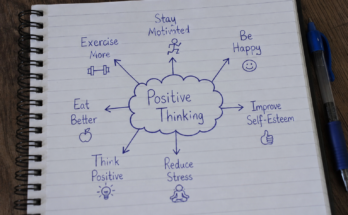
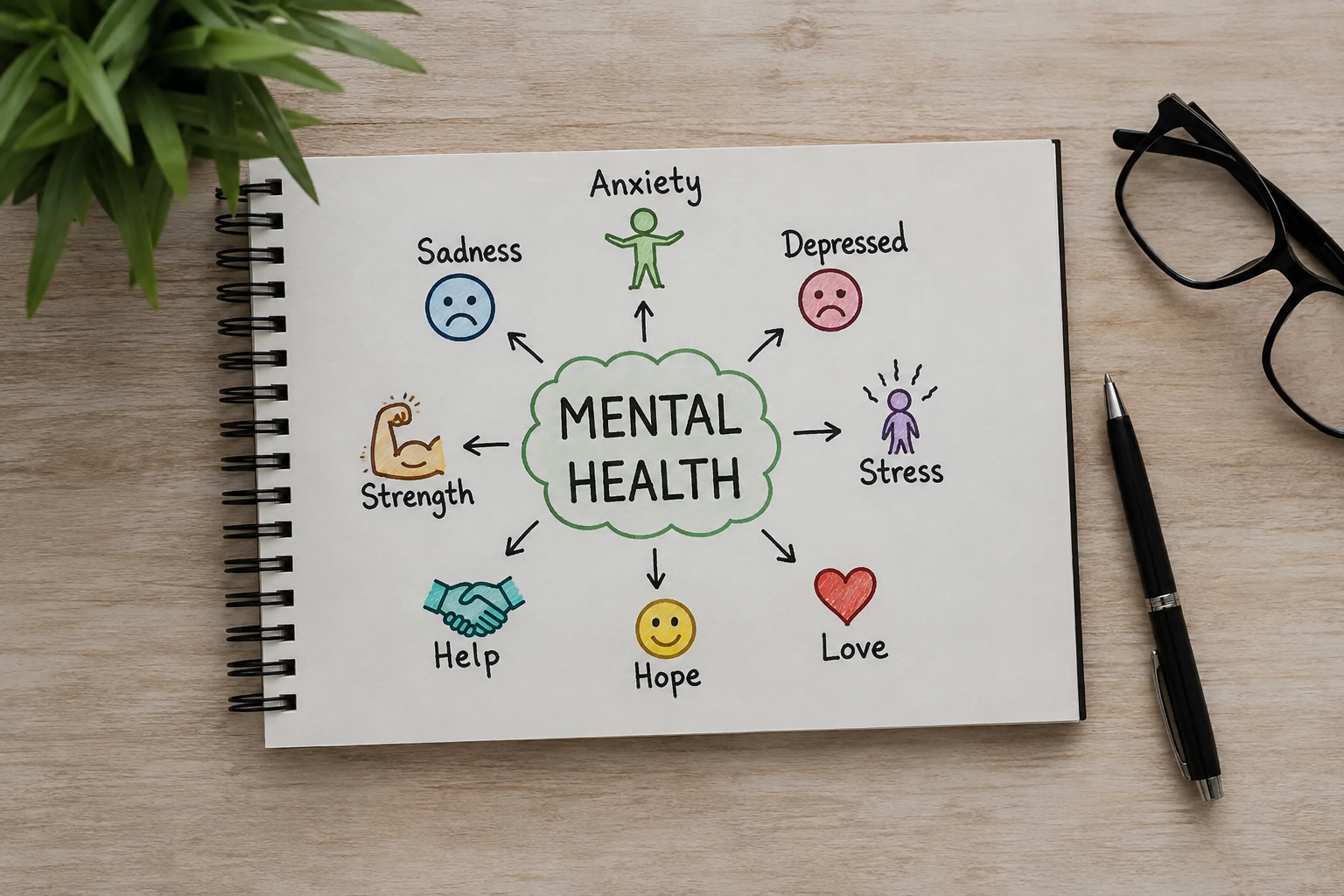
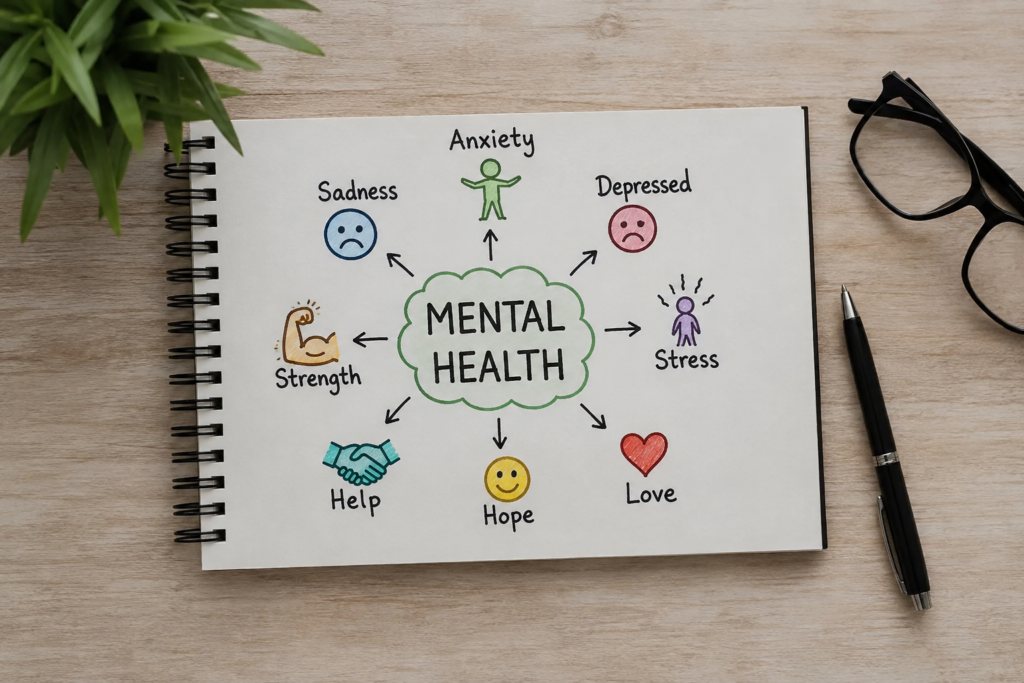
Mental health is an important part of a healthy and balanced life. It affects the way we think, feel, behave, communicate, and handle different situations. Just as physical health helps the body stay strong, good mental health helps the mind stay active, calm, and prepared for everyday challenges. In today’s busy lifestyle, people often focus on work, education, money, family responsibilities, and physical fitness while forgetting about their mental well being. However, taking care of mental health is just as important as taking care of the body.
The importance of mental health in everyday life can be seen in almost every area of our daily routine. A healthy mind can help a person make better decisions, build strong relationships, manage stress, and enjoy life. When mental health is ignored for a long time, it can affect personal relationships, work performance, sleep, physical health, and overall quality of life. Understanding mental health and developing healthy habits can help people live happier and more productive lives.
What Is Mental Health?
Mental health refers to a person’s emotional, psychological, and social well being. It influences how we respond to stress, how we communicate with others, how we solve problems, and how we deal with everyday experiences. Mental health can change throughout life because of personal experiences, relationships, work pressure, financial concerns, lifestyle, and many other factors.
Having good mental health does not mean that a person is happy all the time. Everyone experiences sadness, anger, fear, disappointment, and stress. Good mental health means being able to understand these feelings and manage them in healthy ways. It also means knowing when support may be needed and being willing to ask for help.
Why Mental Health Is Important in Everyday Life
Mental health plays a major role in everyday activities. When the mind feels healthy, it becomes easier to concentrate on important tasks and handle normal challenges. A person with good mental well being may find it easier to stay motivated, communicate clearly, and maintain a positive approach toward life.
Mental health also affects physical health. Constant stress and emotional pressure can make it difficult to sleep, reduce energy, and affect daily habits. Taking care of the mind can encourage healthier choices such as regular physical activity, nutritious eating, proper sleep, and social connection.
Mental Health and Stress Management
Stress is a normal part of life. Work deadlines, studies, family responsibilities, financial problems, and unexpected events can all create stress. A small amount of stress can sometimes encourage people to complete tasks, but constant stress can become difficult to manage.
Good mental health helps people respond to stress more effectively. Simple habits such as taking short breaks, getting enough sleep, exercising, spending time outdoors, and talking with someone trusted can help reduce everyday stress. Learning to recognize personal stress signals is also useful because it allows a person to take action before stress becomes overwhelming.
Mental Health and Physical Health
Mental and physical health are closely connected. When a person feels mentally exhausted, they may lose interest in physical activity or healthy eating. Poor sleep can also affect mood, concentration, and energy. At the same time, regular exercise and healthy food can support better mood and overall well being.
This connection shows why a healthy lifestyle should include both physical and mental health habits. Walking, stretching, sports, balanced meals, enough water, and quality sleep can all support a healthier mind and body.
Mental Health Improves Relationships
Healthy relationships are an important part of everyday life. Good mental health can help people communicate their feelings, listen to others, understand different opinions, and handle disagreements in a respectful way.
When a person is constantly stressed or emotionally exhausted, communication can become difficult. Small problems may feel much bigger than they really are. Taking care of mental health can make it easier to remain patient and understanding in relationships.
Spending time with family and friends can also provide emotional support. A simple conversation with someone you trust can sometimes make a difficult day feel easier. Social connection can remind people that they do not have to face every challenge alone.
Mental Health and Work Performance
Mental health can strongly influence productivity and concentration. When the mind is overwhelmed, it can become difficult to focus on work, remember information, or complete tasks efficiently. This can create more pressure and lead to a cycle of stress.
A healthy approach to work includes taking reasonable breaks, organizing tasks, setting realistic goals, and avoiding unnecessary pressure. Maintaining a balance between professional responsibilities and personal time can also protect mental well being.
People should understand that rest is not a waste of time. The brain needs time to recover just as the body needs rest after physical activity. A balanced routine can support better focus and improved productivity.
Mental Health and Better Decision Making
Everyday life requires many decisions. People make choices about work, relationships, money, health, education, and personal goals. Emotional pressure can sometimes make decision making more difficult.
Good mental health can support clearer thinking. When people are calm, they may be better able to consider different options and understand possible results. This does not mean that every decision will be perfect, but a healthy state of mind can make thoughtful choices easier.
Simple Ways to Support Mental Health
Taking care of mental health does not always require major lifestyle changes. Small daily habits can make a meaningful difference.
Getting enough sleep is one of the most important habits. A regular sleep routine can help the body and mind recover after a busy day.
Regular physical activity is another useful habit. Walking, cycling, stretching, or participating in a favorite sport can help improve energy and support emotional well being.
Eating balanced meals can also support overall health. Foods that provide important nutrients can give the body and brain the energy they need.
Spending time with positive people can improve emotional well being. Healthy relationships can provide encouragement, comfort, and a sense of connection.
Taking breaks is also important. Constantly working without rest can increase mental tiredness. A few quiet minutes during the day can help the mind relax.
Another useful habit is limiting unnecessary screen time, especially before sleeping. Spending too much time on social media can sometimes increase stress or create unhealthy comparisons with others.
The Importance of Talking About Mental Health
One of the biggest challenges related to mental health is the fear of talking about it. Some people worry that others will judge them if they share their feelings. This can cause people to keep their problems hidden.
Open conversations about mental health can help reduce this fear. Talking to a trusted friend, family member, teacher, or qualified professional can provide support when life feels difficult. Asking for help is not a sign of weakness. It is a healthy step toward better well being.
People should also avoid judging others because of their emotional struggles. Everyone experiences life differently, and some problems may not be visible from the outside. Kindness and understanding can make a significant difference.
Mental Health in Daily Routine
A healthy daily routine can support better mental health. Starting the day with enough sleep, a nutritious breakfast, light physical activity, and a clear plan can create a positive beginning. During the day, taking breaks and staying connected with others can help maintain balance.
In the evening, reducing unnecessary stress and preparing for restful sleep can help the mind recover. A consistent routine does not have to be perfect. The goal is to create habits that make everyday life healthier and more manageable.
When Professional Support May Be Helpful
Sometimes everyday habits are not enough, especially when emotional difficulties continue for a long time or begin to interfere with normal life. Persistent sadness, extreme worry, major changes in sleep or appetite, loss of interest in normal activities, or difficulty managing daily responsibilities can be signs that professional support may be useful.
Mental health professionals can provide guidance and appropriate support based on individual needs. Reaching out early can be helpful because people do not have to wait until their problems become severe before seeking support.
Conclusion
The importance of mental health in everyday life cannot be ignored. Mental well being affects thoughts, emotions, relationships, physical health, productivity, and decision making. A healthy mind can help people handle stress, enjoy meaningful relationships, stay focused on their goals, and deal with everyday challenges more effectively.
Taking care of mental health begins with simple actions. Getting enough sleep, staying physically active, eating nutritious food, maintaining healthy relationships, taking regular breaks, managing stress, and talking about emotions can all contribute to better mental well being.
Mental health should be treated as an essential part of a healthy lifestyle rather than something that only matters during difficult times. By giving the mind the same attention and care given to the body, people can build a stronger foundation for a happier, healthier, and more balanced everyday life.