
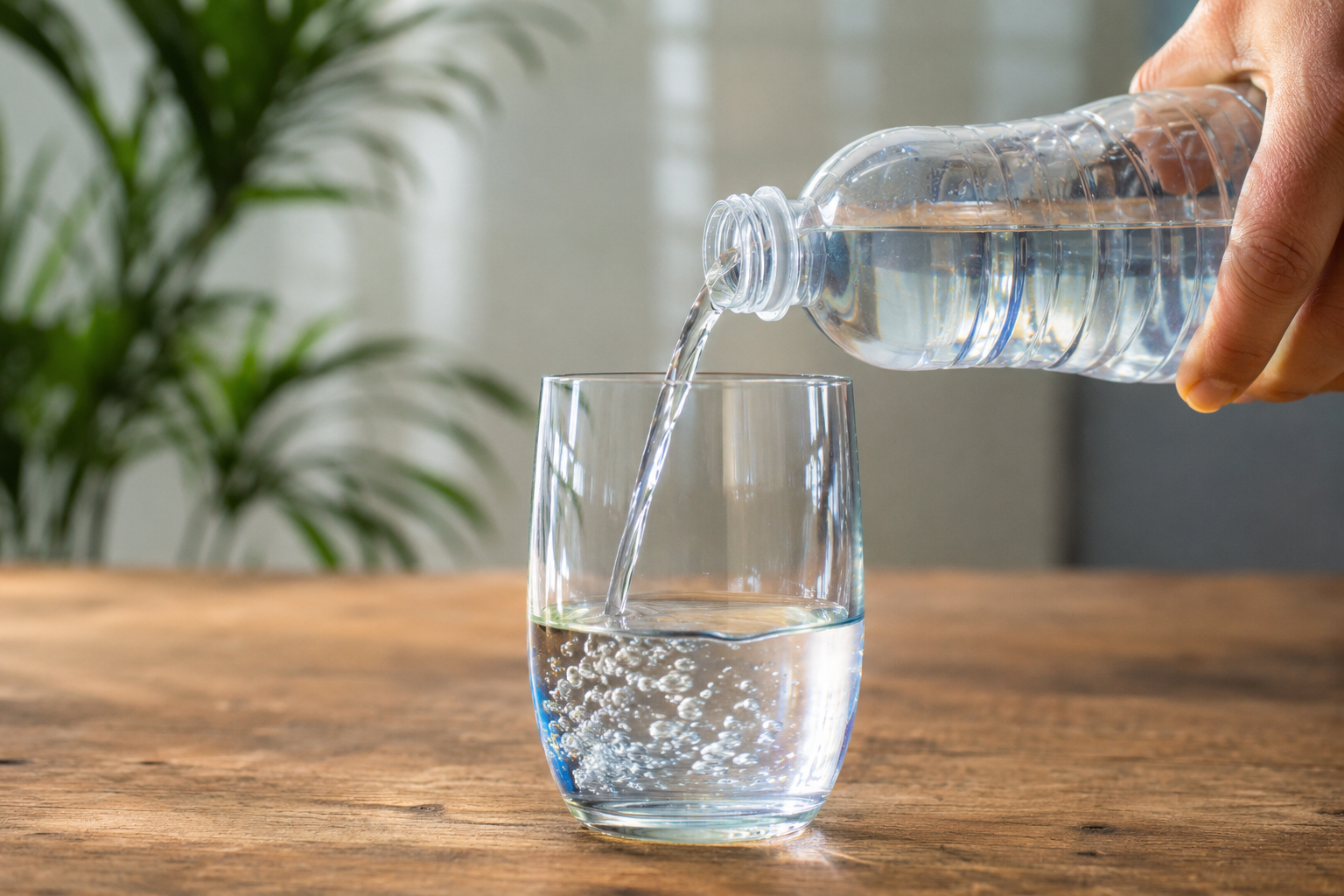
Water is one of the most important things your body needs every day. Although it does not provide calories like food, water plays a major role in keeping the body working properly. Every cell, tissue, and organ depends on water to perform its normal functions. Drinking enough water supports digestion, circulation, temperature control, energy levels, brain function, and many other important processes.
Many people do not realize that even mild dehydration can affect how they feel and perform throughout the day. Headaches, tiredness, dry mouth, poor concentration, and dark colored urine can sometimes be signs that the body needs more fluids. Developing healthy hydration habits can be a simple way to support overall health and daily wellbeing.
Why Water Is Important for the Human Body
The human body contains a large amount of water, which is why regular hydration is essential. Water helps transport nutrients throughout the body and supports the removal of waste products. It also helps maintain normal body temperature and keeps different body systems functioning properly.
Your body naturally loses water through breathing, sweating, urination, and other daily activities. Because of this constant loss, you need to replace fluids regularly. The amount of water a person needs can vary depending on age, activity level, weather, diet, and individual health needs.
Drinking enough water throughout the day helps maintain the body’s fluid balance. Instead of waiting until you feel extremely thirsty, it is often better to make hydration part of your daily routine.
Drinking Water Supports Brain Function
Proper hydration is important for healthy brain function. The brain depends on adequate fluids to work efficiently, and not drinking enough water may make it harder to concentrate or stay mentally alert.
When the body becomes dehydrated, some people may experience tiredness, headaches, difficulty focusing, or changes in mood. These effects can make everyday activities more difficult, especially when you are working, studying, or trying to complete tasks that require attention.
Keeping a bottle of water nearby can make it easier to drink regularly during the day. Simple habits like drinking water after waking up, with meals, and during work breaks can help maintain hydration.
Water Helps Support Digestion
Water also plays an important role in healthy digestion. It helps soften food as it moves through the digestive system and supports normal bowel function. Drinking enough fluids along with eating fiber rich foods can help support regular digestion.
When people do not drink enough water, their digestive system may not work as comfortably. Adequate hydration can be especially important when your diet contains plenty of fruits, vegetables, whole grains, and other foods that provide dietary fiber.
A healthy digestive routine includes a combination of nutritious food, enough water, regular movement, and consistent daily habits.
Hydration and Physical Performance
Drinking enough water is especially important for people who exercise or spend time in hot environments. During physical activity, the body produces heat and may lose water through sweat. Replacing those fluids helps support normal body functions while you remain active.
Even ordinary activities such as walking, cleaning, working outdoors, or exercising can increase fluid needs. Hot and humid weather can also cause the body to lose more water through sweating.
Drinking water before, during, and after physical activity can be a useful part of a healthy exercise routine. People who exercise for long periods or sweat heavily may have different hydration needs and should consider guidance from a qualified health professional.
Water Helps Regulate Body Temperature
One of the important functions of water is helping the body maintain a normal temperature. When you become hot, your body can release heat through sweating. As sweat evaporates from the skin, it helps cool the body.
However, sweating also causes fluid loss. If you do not replace the water you lose, dehydration can develop, particularly during hot weather or intense physical activity.
For this reason, staying hydrated is particularly important during summer, outdoor activities, workouts, and other situations where you may sweat more than usual.
Drinking Water Supports Healthy Kidneys
The kidneys play an important role in filtering waste from the blood and producing urine. Adequate fluid intake supports normal kidney function by helping the body remove waste through urine.
When you drink enough water, your body has the fluid it needs for normal urinary function. Urine color can sometimes provide a general indication of hydration. Pale yellow urine is commonly associated with adequate hydration, while very dark urine may occur when you are not drinking enough fluids. However, urine color can also be affected by foods, medications, and supplements.
People with certain kidney or heart conditions may have specific fluid recommendations, so individual medical advice is important in those situations.
Water Can Support Healthy Skin
Healthy hydration is also important for normal skin function. Skin needs water to maintain its normal structure and protective role. When the body is dehydrated, the skin may appear dry or feel less comfortable.
Drinking enough water is not a replacement for good skincare, nutritious food, sun protection, or other healthy habits. However, maintaining proper hydration can support the body’s overall balance and contribute to general skin health.
Water Can Help With Healthy Weight Management
Water can also be useful for people who are trying to maintain a healthy weight. Water contains no calories, making it a simple alternative to sugary drinks such as soft drinks and sweetened beverages.
Replacing high calorie drinks with plain water can reduce overall calorie intake for some people. Drinking water before or with meals may also help some individuals feel satisfied.
However, water should not be viewed as a magic solution for weight loss. Healthy weight management depends on overall eating habits, physical activity, sleep, and other lifestyle factors.
How Much Water Should You Drink?
There is no single amount of water that is perfect for every person. Fluid needs differ from one individual to another. Activity level, climate, body size, age, diet, pregnancy, and health conditions can all influence how much fluid someone needs.
Instead of focusing only on a specific number, pay attention to your body’s signals and daily circumstances. Drink regularly throughout the day and increase fluid intake when you are sweating more or spending time in hot conditions.
Water from foods also contributes to daily fluid intake. Fruits and vegetables such as watermelon, oranges, cucumbers, and strawberries contain significant amounts of water and can support hydration as part of a balanced diet.
Simple Ways to Drink More Water
Building better hydration habits does not have to be difficult. Start by keeping a reusable water bottle with you at home, work, or school. Having water nearby makes it easier to remember to drink.
You can also drink a glass of water after waking up and have water with your meals. If you do not enjoy plain water, adding slices of lemon, cucumber, orange, or mint can provide a refreshing taste without adding much sugar.
Setting simple reminders can also help people who regularly forget to drink water. Another useful habit is drinking water before and after physical activity.
The goal is not to force yourself to drink excessive amounts of water. Instead, focus on maintaining a consistent and comfortable hydration routine.
Signs You May Not Be Drinking Enough Water
Your body can provide several signs when fluid intake is too low. Common signs of dehydration may include thirst, dry mouth, tiredness, headache, dizziness, and dark colored urine.
More serious dehydration can cause significant weakness, confusion, rapid heartbeat, or other concerning symptoms. Severe dehydration can be dangerous and may require urgent medical attention.
If you regularly experience symptoms that you believe are related to dehydration, especially if they are severe or persistent, speak with a healthcare professional.
Final Thoughts
Drinking enough water supports many important functions in the human body. From digestion and brain function to physical performance and temperature regulation, proper hydration is an essential part of a healthy lifestyle.
The best approach is to make drinking water a regular part of your daily routine. Keep water available, drink throughout the day, pay attention to thirst, and increase fluids when your body loses more water through exercise or hot weather.
Good hydration works best alongside other healthy habits such as eating nutritious foods, staying physically active, getting enough sleep, and maintaining a balanced lifestyle. By making water a regular part of your day, you can provide your body with one of the simplest things it needs to function properly and support your overall health.