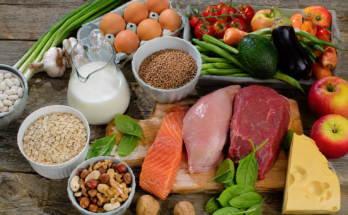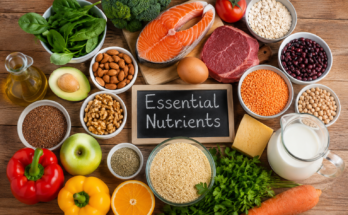
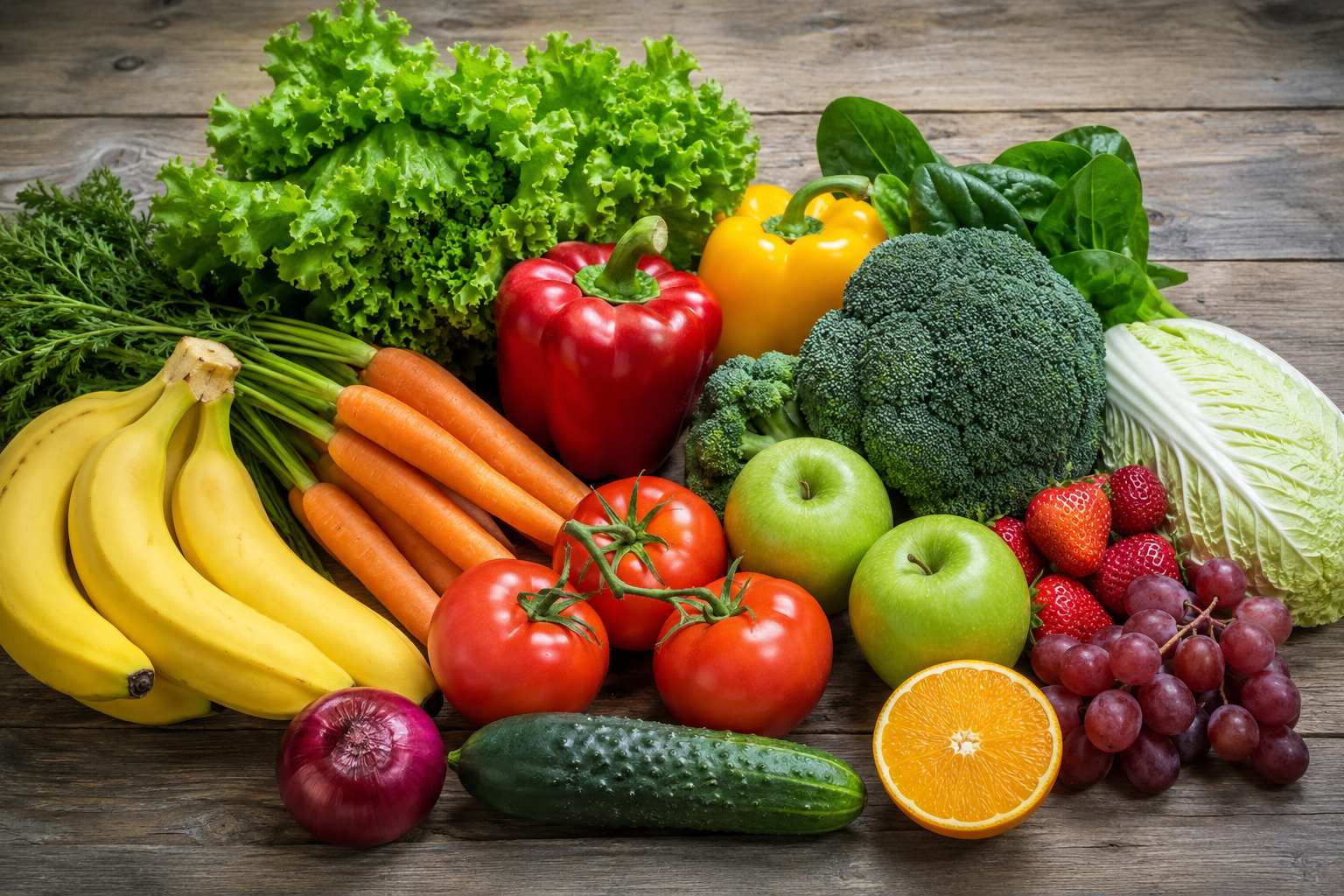
Eating fresh fruits and vegetables is one of the simplest ways to support a healthy body and a healthy lifestyle. These natural foods provide important vitamins, minerals, fiber, antioxidants, and other nutrients that the body needs every day. Adding a variety of fresh fruits and vegetables to your meals can improve digestion, support the immune system, help maintain a healthy weight, and reduce the risk of several health problems.
Many people depend on processed foods because they are convenient and easy to prepare. However, eating too many processed foods can mean getting more added sugar, unhealthy fats, and excess salt while missing important nutrients. Fresh fruits and vegetables offer a natural and nutritious alternative. They can be enjoyed as snacks, added to meals, or used to make healthy salads, smoothies, and other dishes.
Rich Source of Essential Nutrients
One of the main benefits of eating fresh fruits and vegetables is that they are packed with essential nutrients. Fruits such as oranges, apples, bananas, berries, and mangoes provide different vitamins and minerals. Vegetables such as spinach, carrots, tomatoes, broccoli, and peppers also contain a wide range of nutrients.
Vitamin C is found in many fruits and vegetables and helps support normal immune function. Vitamin A supports healthy vision and skin, while folate is important for normal cell growth. Minerals such as potassium and magnesium also play important roles in the body.
Because different fruits and vegetables contain different nutrients, eating a variety of them is important. Choosing different colors throughout the week can make meals more interesting while helping you get a broader range of nutrients.
Supports a Strong Immune System
A healthy immune system needs proper nutrition. Fresh fruits and vegetables contain vitamins, minerals, antioxidants, and plant compounds that support the body’s natural defenses.
Citrus fruits, strawberries, kiwi, bell peppers, and other foods rich in vitamin C can contribute to normal immune function. Leafy green vegetables also provide nutrients that are important for overall health.
Eating fresh produce regularly does not guarantee that a person will never become sick, but a balanced diet can help the body function properly and support general wellness.
Improves Digestive Health
Fresh fruits and vegetables are excellent sources of dietary fiber. Fiber is important for healthy digestion and can help support regular bowel movements.
Foods such as apples, pears, berries, carrots, peas, beans, broccoli, and leafy vegetables can add fiber to the daily diet. Fiber also helps people feel full after eating, which can make it easier to manage food portions.
It is important to increase fiber gradually if your current diet is low in fiber. Drinking enough water throughout the day can also support healthy digestion.
Helps Maintain a Healthy Weight
For people trying to maintain a healthy weight, fresh fruits and vegetables can be valuable parts of a balanced diet. Many fruits and vegetables contain plenty of water and fiber while providing relatively few calories compared with many highly processed foods.
For example, a fresh apple can be a satisfying snack, while a vegetable salad can add volume and nutrients to a meal. Replacing some high calorie processed foods with vegetables and whole fruits may help reduce overall calorie intake.
Healthy weight management is not about avoiding all foods that contain calories. It is about creating balanced eating habits that provide enough nutrition while supporting appropriate portions and regular physical activity.
Supports Heart Health
Eating plenty of fruits and vegetables may also support cardiovascular health. These foods provide fiber, potassium, antioxidants, and other beneficial plant compounds.
Potassium rich foods can be part of a healthy eating pattern that supports normal blood pressure. Fiber can also contribute to healthy cholesterol levels when included as part of an overall balanced diet.
Vegetables such as leafy greens, tomatoes, carrots, and broccoli and fruits such as apples, oranges, and berries can all be included in a heart healthy eating pattern.
Provides Natural Antioxidants
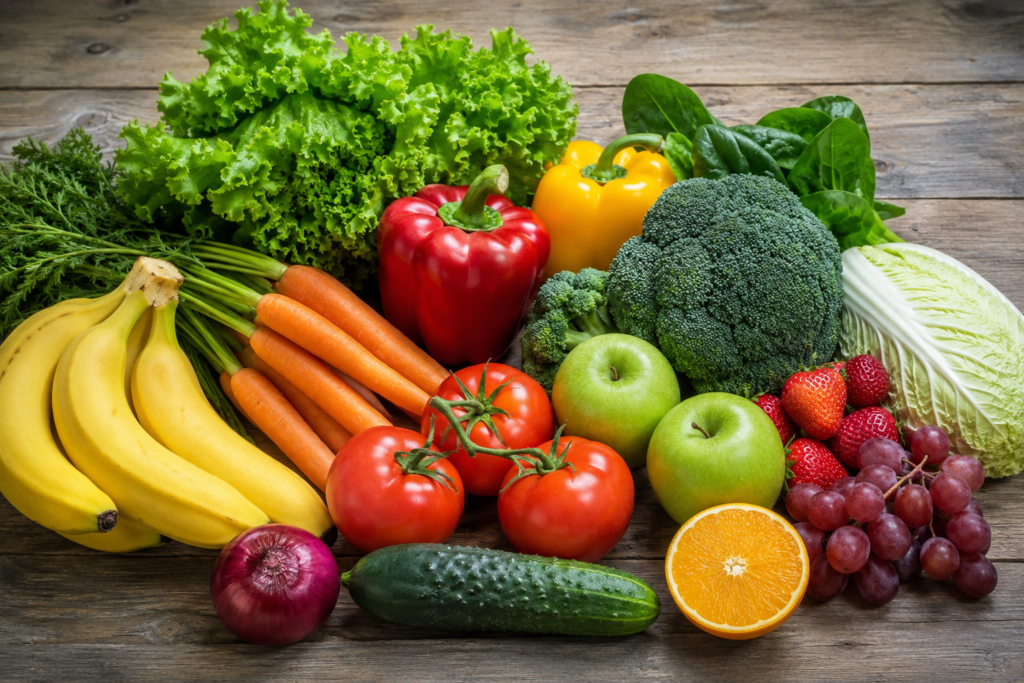
Fresh fruits and vegetables contain antioxidants and other plant compounds that help protect cells from oxidative stress. Different foods contain different types of beneficial compounds, which is another reason to eat a wide variety of produce.
Berries, grapes, tomatoes, leafy greens, carrots, and citrus fruits are examples of foods that contain various antioxidants. Eating colorful fruits and vegetables regularly can help provide a diverse selection of these natural compounds.
Instead of focusing on one special food, it is better to build a diet that includes many types of fruits and vegetables.
Supports Healthy Skin
Good nutrition can contribute to healthy looking skin. Fresh fruits and vegetables provide nutrients such as vitamin C, vitamin A, and other plant compounds that support normal skin function.
Water rich fruits and vegetables can also contribute to daily fluid intake. Cucumbers, watermelon, oranges, tomatoes, and other produce contain a high amount of water.
However, healthy skin depends on more than food alone. Adequate sleep, hydration, sun protection, physical activity, and good personal care are also important.
Supports Healthy Vision
Certain fruits and vegetables contain nutrients that support eye health. Carrots are well known for their beta carotene content, which the body can convert into vitamin A. Leafy green vegetables also contain nutrients and plant compounds associated with eye health.
Orange, yellow, and dark green vegetables can therefore be useful additions to a balanced diet. Eating a variety of produce is generally more beneficial than relying on one particular food for eye health.
Helps Provide Natural Energy
Fresh fruits and vegetables can contribute to daily energy needs while providing valuable nutrients. Fruits naturally contain carbohydrates that the body can use for energy. Bananas, apples, oranges, grapes, and other fruits can be convenient choices before or after physical activity.
Vegetables may not provide as much carbohydrate as many fruits, but they contribute important vitamins, minerals, fiber, and water. Combining vegetables with whole grains, protein sources, and healthy fats can create balanced meals that provide longer lasting satisfaction.
May Reduce the Risk of Some Health Problems
A diet rich in fruits and vegetables is associated with better overall health and may help reduce the risk of certain chronic health conditions. Healthy eating patterns that include plenty of produce are commonly recommended as part of disease prevention and long term wellness.
The benefits come from the overall dietary pattern rather than from a single fruit or vegetable. Eating more produce while also limiting excessive added sugar, highly processed foods, and unhealthy fats can create a healthier approach to everyday eating.
Improves Meal Variety
Fresh fruits and vegetables can make meals more enjoyable because they provide different flavors, textures, and colors. A meal can include crunchy carrots, juicy tomatoes, leafy greens, sweet fruit, or roasted vegetables.
Trying seasonal produce can also introduce new foods into your diet. Instead of eating the same vegetables every day, consider changing your choices throughout the week.
Simple combinations can make healthy eating easier. You can add sliced fruit to breakfast, include vegetables with lunch, prepare a salad for dinner, or keep fresh fruit available for snacks.
Fresh Fruits and Vegetables Are Easy to Add to Your Diet
Adding more produce to your diet does not require major changes. Start with small steps. Add a banana or apple to breakfast, include tomatoes and cucumbers with lunch, or add cooked vegetables to dinner.
Keeping washed and ready to eat fruits and vegetables at home can also make healthy choices more convenient. Fresh produce can be added to yogurt, oatmeal, salads, sandwiches, rice dishes, soups, and many other meals.
It is also useful to choose whole fruits more often than fruit juices because whole fruits contain fiber. When purchasing vegetables, choose a mixture of fresh, frozen, or other minimally processed options according to your needs and budget.
Conclusion
The benefits of eating fresh fruits and vegetables include better nutrition, improved digestion, immune system support, healthy weight management, heart health support, and protection from oxidative stress. They can also contribute to healthy skin, vision, energy levels, and overall wellness.
The best approach is to eat a variety of fruits and vegetables regularly rather than depending on one particular food. Try to include different colors and types in your meals and snacks throughout the week. Simple changes, such as replacing highly processed snacks with fresh fruit or adding vegetables to your main meals, can make a meaningful difference over time.
A healthy diet does not need to be complicated. Fresh fruits and vegetables are affordable, versatile, nutritious, and easy to include in everyday meals. By making them a regular part of your diet, you can build better eating habits and give your body many of the nutrients it needs for a healthier lifestyle.