
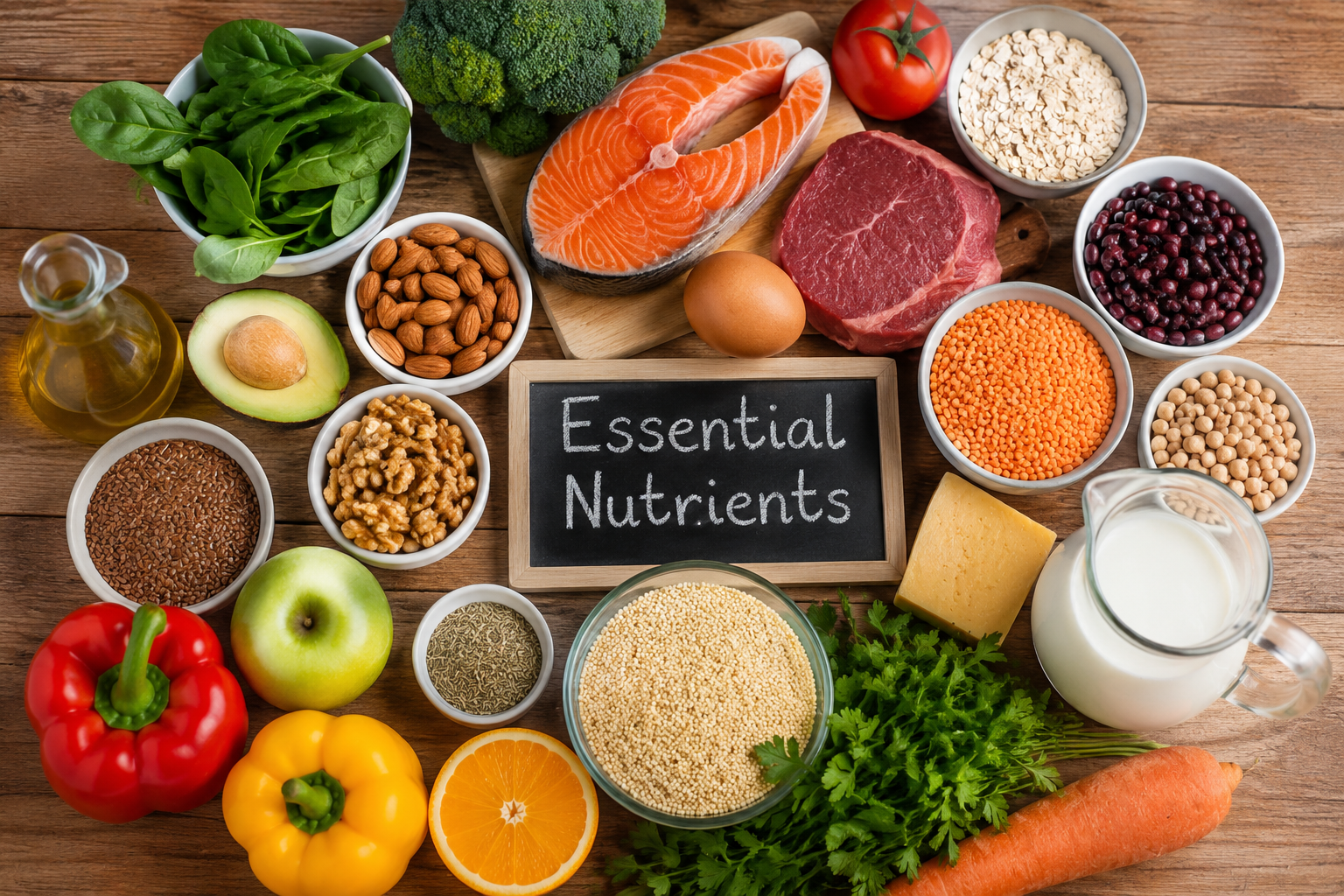
Good health depends on many things, but nutrition is one of the most important factors. The human body needs a wide range of nutrients to produce energy, build strong tissues, support the immune system, maintain healthy organs, and keep the mind working properly. When the body does not receive enough essential nutrients, a person may experience tiredness, weakness, poor concentration, and other health problems. This is why understanding the essential nutrients every person needs can help people make better food choices and maintain a healthy lifestyle.
Essential nutrients are substances that the body needs to function normally but cannot always produce in sufficient amounts on its own. These nutrients mainly include carbohydrates, proteins, fats, vitamins, minerals, water, and fiber. Each nutrient has a different role, and a balanced diet should provide an appropriate amount of all of them.
Carbohydrates for Daily Energy
Carbohydrates are one of the main sources of energy for the human body. They provide fuel for daily activities, exercise, work, and brain function. The body breaks carbohydrates down into glucose, which can be used by cells for energy.
Healthy carbohydrate sources include whole grains, oats, brown rice, whole wheat bread, fruits, vegetables, beans, and lentils. These foods also provide fiber, vitamins, and minerals. Highly processed foods that contain large amounts of added sugar should not be the main source of carbohydrates.
Choosing complex carbohydrates can help provide steady energy throughout the day. Including whole grains and vegetables in regular meals is a simple way to improve overall nutrition.
Protein for Growth and Repair
Protein is another essential nutrient that plays an important role in the body. It helps build and repair muscles, skin, bones, organs, and other tissues. Protein is also needed to make enzymes, hormones, and other substances that support normal body functions.
Good sources of protein include eggs, fish, chicken, lean meat, milk, yogurt, beans, lentils, peas, nuts, and seeds. Plant based foods can also provide plenty of protein when different sources are included in a balanced diet.
People who are physically active may have increased protein needs because their muscles require support for recovery and repair. However, protein is important for everyone, regardless of activity level.
Healthy Fats for Body Function
Fat is often misunderstood, but healthy fats are essential for good health. Dietary fat provides energy, supports cell growth, protects organs, and helps the body absorb certain vitamins. Fats also contribute to normal brain function.
Healthy fat sources include avocados, nuts, seeds, olive oil, fatty fish, and natural nut butters. Omega 3 fatty acids found in foods such as salmon, sardines, walnuts, and flaxseeds are particularly valuable as part of a balanced diet.
It is important to focus on healthy sources of fat while limiting foods that contain excessive amounts of unhealthy fats. A balanced approach is better than completely avoiding dietary fat.
Vitamins for Overall Health
Vitamins are needed in small amounts, but they perform many important functions in the body. Different vitamins support different systems, including the immune system, bones, skin, eyes, blood, and nervous system.
Vitamin A supports healthy vision, skin, and immune function. Vitamin C supports the immune system and helps the body absorb iron from plant foods. Vitamin D is important for bones and calcium absorption. B vitamins help the body use food for energy and support the nervous system.
A diet that includes a variety of fruits, vegetables, whole grains, dairy products, eggs, meat, fish, nuts, and seeds can provide many essential vitamins. Eating different colored fruits and vegetables is an easy way to increase dietary variety.
Minerals for Strong and Healthy Bodies
Minerals are essential nutrients that support many important body functions. Calcium, iron, magnesium, potassium, zinc, and iodine are some of the minerals needed for good health.
Calcium is important for strong bones and teeth. Dairy products, leafy green vegetables, and some fortified foods can provide calcium. Iron helps carry oxygen through the blood and can be found in meat, beans, lentils, spinach, and fortified grains.
Magnesium supports muscles and nerves, while potassium helps maintain normal fluid balance and muscle function. Zinc supports the immune system and helps with wound healing. Iodine is important for normal thyroid function.
Getting minerals from a varied diet is generally the best approach because different foods provide different combinations of nutrients.
Water for Hydration
Water is one of the most essential nutrients for human health. Every cell, tissue, and organ in the body depends on water to function properly. Water helps regulate body temperature, transport nutrients, remove waste, and support digestion.
The amount of water a person needs can vary depending on age, activity level, weather, diet, and other factors. Drinking water regularly throughout the day is an important healthy habit. Fruits and vegetables can also contribute to daily fluid intake.
Signs of inadequate hydration may include thirst, dry mouth, dark colored urine, tiredness, and headache. Drinking enough fluids can help the body perform its normal functions more effectively.
Fiber for Digestive Health
Fiber is an important part of a healthy diet. It supports digestion and can help maintain regular bowel movements. Fiber is found naturally in plant foods such as fruits, vegetables, whole grains, beans, lentils, nuts, and seeds.
There are different types of dietary fiber, and both can contribute to good health. Fiber can also help people feel full after meals, which may support healthy eating habits.
Increasing fiber intake gradually while drinking enough water can make it easier for the digestive system to adjust. Replacing refined grains with whole grains and adding more vegetables and fruits to meals are simple ways to consume more fiber.
Calcium and Vitamin D for Bone Health
Strong bones require several nutrients, especially calcium and vitamin D. Calcium provides structure for bones and teeth, while vitamin D helps the body absorb calcium effectively.
Milk, yogurt, cheese, leafy green vegetables, and fortified foods can provide calcium. Vitamin D can come from certain foods and sunlight exposure, although individual needs can vary.
Maintaining adequate intake of these nutrients throughout life is important because bone health is a long term part of overall health. A balanced diet combined with regular physical activity can support healthy bones.
Iron for Healthy Blood
Iron is an essential mineral because it helps the body produce hemoglobin, a protein in red blood cells that carries oxygen. Without enough iron, the body may not transport oxygen efficiently.
Iron rich foods include lean meat, poultry, seafood, beans, lentils, spinach, and fortified cereals. Vitamin C can improve the absorption of iron from plant foods, so eating foods such as oranges, tomatoes, or peppers with plant based iron sources can be helpful.
People have different nutritional needs, so anyone concerned about low iron should speak with a qualified healthcare professional before taking supplements.
Why a Balanced Diet Matters
No single food can provide every nutrient the body needs in the right amounts. This is why a balanced diet is more important than focusing on one specific food or nutrient. A healthy eating pattern should include vegetables, fruits, whole grains, protein rich foods, healthy fats, and adequate fluids.
Food variety is especially important because different foods contain different nutrients. Eating a wide range of foods can make it easier to meet nutritional needs naturally.
Portion sizes also matter. Even nutritious foods should be consumed in appropriate amounts according to individual energy needs. Regular meals with a good balance of protein, carbohydrates, healthy fats, vegetables, and fruits can support consistent energy and better nutrition.
Nutrients and a Healthy Lifestyle
Nutrition works together with other healthy habits. Regular physical activity, adequate sleep, stress management, and good hydration can all contribute to overall well being.
People should also be careful about relying heavily on processed foods that are high in added sugar, sodium, and unhealthy fats. These foods can sometimes fit into a balanced eating pattern, but they should not replace nutrient rich foods.
Supplements may be useful for some people when recommended by a healthcare professional, but they should not normally be considered a replacement for a healthy diet. Getting nutrients from a variety of whole foods provides many benefits because foods contain a combination of nutrients and other helpful compounds.
Final Thoughts
Understanding the essential nutrients every person needs is an important step toward better health. Carbohydrates provide energy, protein supports growth and repair, healthy fats support cells and organs, vitamins and minerals help regulate body functions, fiber supports digestion, and water keeps the body hydrated.
The best approach is to focus on a varied and balanced diet rather than searching for one perfect food. Including vegetables, fruits, whole grains, protein sources, healthy fats, and plenty of water can help the body receive the nutrients it needs every day.
Healthy nutrition does not have to be complicated. Small improvements in everyday food choices can make a meaningful difference over time. By paying attention to essential nutrients and maintaining a balanced eating pattern, people can support their energy, strength, immune function, digestion, and overall health.