A balanced diet is one of the most important parts of a healthy lifestyle. The food we eat gives our body the energy and nutrients it needs to work properly. A good diet can help support the immune system, maintain a healthy weight, improve energy levels, and reduce the risk of many health problems. On the other hand, eating too much unhealthy food and not getting enough important nutrients can affect both physical and mental well being.
The importance of a balanced diet for good health is not only about eating less or avoiding certain foods. It is about giving the body a variety of nutritious foods in the right amounts. Fruits, vegetables, whole grains, proteins, healthy fats, and enough water all have an important role in keeping the body strong and active.
What Is a Balanced Diet?
A balanced diet is a way of eating that provides the body with all the essential nutrients it needs. These nutrients include carbohydrates, proteins, fats, vitamins, minerals, fiber, and water. Every nutrient performs a different function, so eating a variety of foods is important.
Carbohydrates provide energy for daily activities. Proteins help build and repair muscles, skin, and other body tissues. Healthy fats support the brain and help the body absorb certain vitamins. Vitamins and minerals support many body functions, including immunity, bone health, blood production, and normal growth.
A balanced diet does not mean that every meal must be perfect. Instead, it means choosing nutritious foods regularly and maintaining variety in your overall eating pattern.
Provides Essential Energy
One major benefit of a balanced diet is that it provides the energy needed for everyday life. The body needs energy for walking, working, studying, exercising, thinking, and even sleeping.
Foods such as whole grains, fruits, vegetables, and other sources of carbohydrates can provide useful energy. Protein and healthy fats can also contribute to a satisfying diet. When meals contain a good combination of nutrients, energy levels can remain more stable throughout the day.
Poor eating habits may leave a person feeling tired or lacking motivation. Eating regular nutritious meals can help support better energy and productivity.
Supports a Healthy Immune System
The immune system protects the body from infections and helps it respond to harmful substances. Good nutrition is an important part of supporting normal immune function.
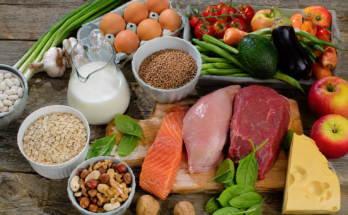
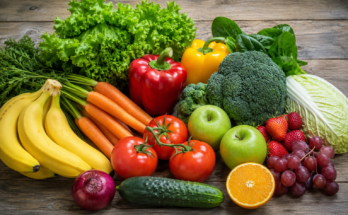
Fruits and vegetables provide vitamins, minerals, and other beneficial plant compounds. Foods such as oranges, berries, tomatoes, spinach, carrots, beans, nuts, seeds, eggs, fish, and whole grains can contribute important nutrients to a healthy diet.
No single food can prevent every illness, but consistently eating a variety of nutritious foods can help provide the nutrients the body needs to function properly.
Helps Maintain a Healthy Weight
A balanced diet can also support healthy weight management. Eating nutritious foods can make it easier to control portion sizes and avoid relying heavily on foods that are high in added sugar, salt, or unhealthy fats.
Vegetables, fruits, whole grains, beans, and other high fiber foods can help people feel satisfied after meals. Protein rich foods can also contribute to fullness.
Healthy weight management is not about following extreme diets. It is about developing eating habits that can be maintained for a long time. Combining a balanced diet with regular physical activity can provide additional benefits.
Supports Heart Health
The foods people eat can have an important effect on heart health. A healthy eating pattern that includes vegetables, fruits, whole grains, beans, nuts, seeds, and healthy sources of protein can support overall cardiovascular health.
It is also helpful to limit excessive amounts of added sugar, highly processed foods, and foods that are high in unhealthy fats and sodium. Choosing healthier cooking methods and paying attention to portion sizes can make everyday meals more nutritious.
A balanced diet should be considered part of a complete healthy lifestyle that also includes physical activity, adequate sleep, and other positive habits.
Improves Digestive Health
Good digestion is another important reason to follow a balanced diet. Fiber plays a major role in supporting normal digestive function. It is found naturally in foods such as fruits, vegetables, beans, lentils, and whole grains.
Drinking enough water is also important. Water helps the body perform many functions and works together with fiber to support healthy digestion.
A diet that contains a variety of plant foods can help increase fiber intake and provide different nutrients at the same time. Making gradual changes to the diet can be an easier way to develop healthier eating habits.
Supports Strong Bones and Muscles
Healthy bones and muscles need several nutrients to remain strong. Protein is important for muscle growth and repair, while nutrients such as calcium and vitamin D are important for bone health.
Dairy products can provide calcium, while some vegetables, beans, nuts, seeds, and fortified foods can also contribute calcium. Protein can come from foods such as eggs, fish, poultry, beans, lentils, yogurt, and other nutritious choices.
Regular physical activity combined with good nutrition can further support muscle and bone health throughout life.
Supports Brain Function and Mental Well Being
Food also plays a role in brain health. The brain needs a regular supply of energy and nutrients to function normally. A balanced diet containing fruits, vegetables, whole grains, protein, and healthy fats can support overall brain function.
Eating nutritious meals may also help people maintain better energy and concentration during the day. Drinking enough water is important as well because dehydration can affect how a person feels and functions.
Healthy eating should not be viewed as a replacement for professional care when someone is experiencing serious mental or physical health concerns. However, good nutrition is an important part of overall well being.
Helps Reduce the Risk of Nutrient Deficiencies
Eating a limited range of foods can make it difficult to get all the nutrients the body needs. A varied diet makes it easier to obtain important vitamins and minerals from different food sources.
For example, fruits and vegetables can provide many vitamins and minerals, whole grains can provide fiber and other nutrients, and protein foods can provide essential amino acids and minerals.
The exact nutritional needs of each person can vary based on age, activity level, lifestyle, and other factors. People with specific nutritional concerns may benefit from advice from a qualified healthcare professional or registered dietitian.
Simple Ways to Follow a Balanced Diet
Following a balanced diet does not have to be complicated. Small daily changes can make a meaningful difference.
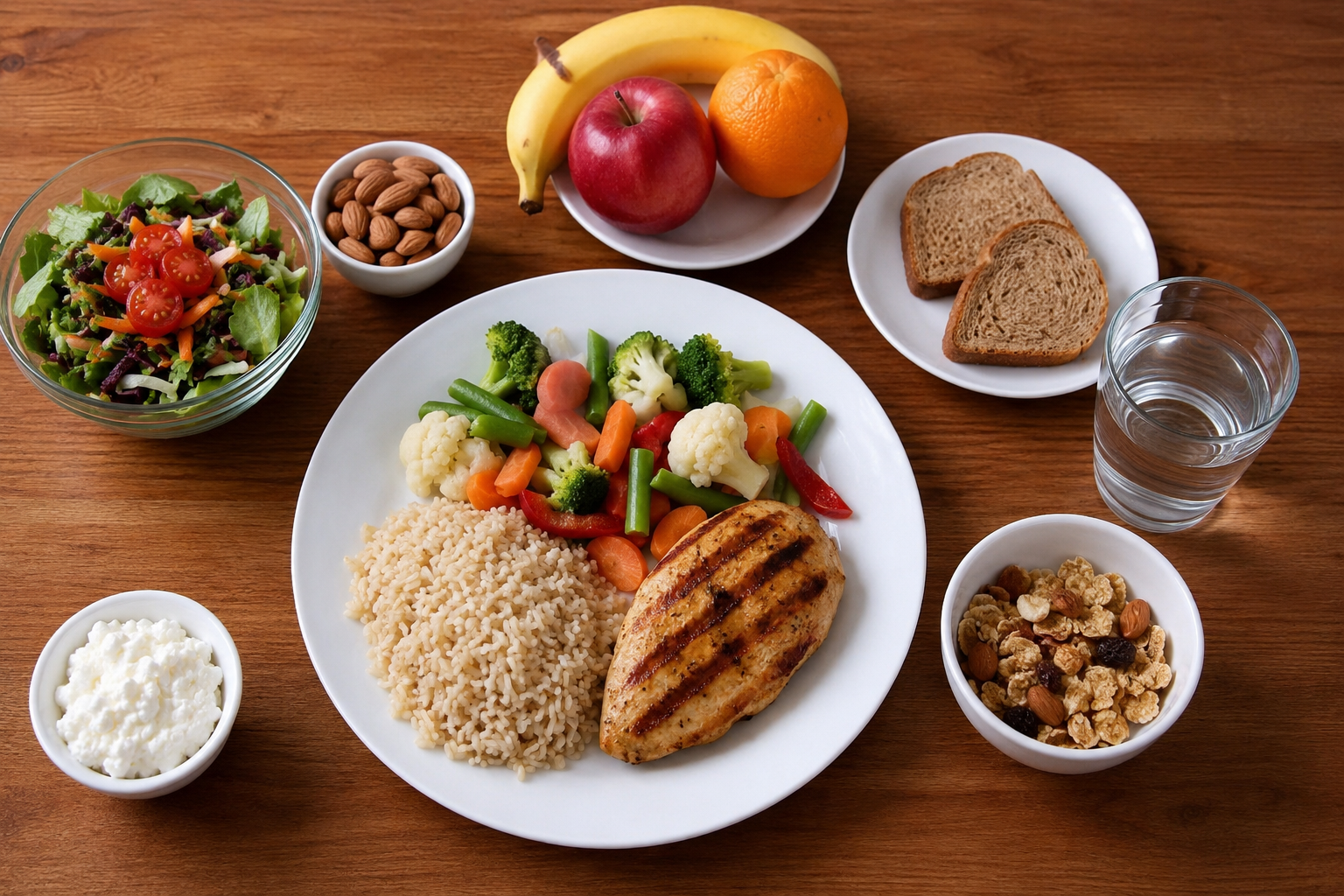
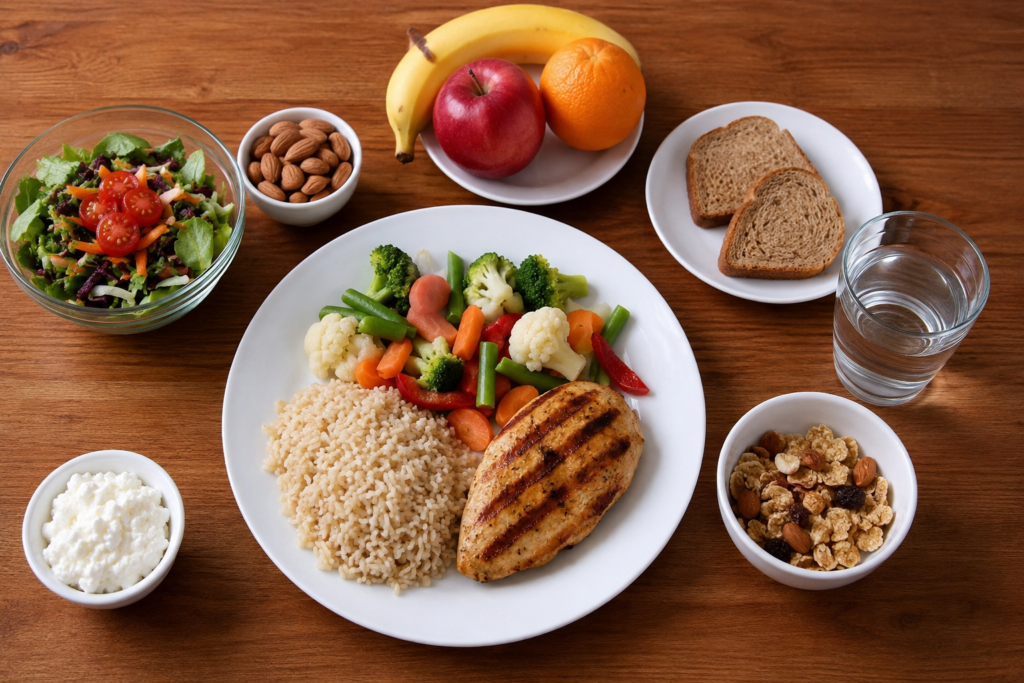
Start by adding more vegetables and fruits to meals. Choose whole grain options when possible. Include a source of protein in your meals. Drink water regularly and reduce excessive sugary drinks. Choose healthy fats such as those found in nuts, seeds, fish, and some plant oils.
It is also useful to pay attention to portion sizes. Eating slowly can help a person recognize when they are comfortably full. Planning meals at home can make it easier to control ingredients and make healthier choices.
There is also room for occasional treats. A healthy diet does not require completely eliminating every food that is considered less nutritious. The main goal is to make nutritious foods the regular foundation of the diet.
Importance of Hydration
Water is sometimes forgotten when people discuss a balanced diet, but proper hydration is essential for good health. Water helps regulate body temperature, transport nutrients, support digestion, and remove waste.
Daily fluid needs can vary depending on factors such as activity, weather, age, and individual health. Drinking water regularly throughout the day is a simple way to support hydration.
Choosing water instead of sugary beverages can also help reduce unnecessary added sugar in the diet.
Conclusion
The importance of a balanced diet for good health cannot be ignored. Nutritious food provides the energy and essential nutrients the body needs for normal growth, repair, immunity, digestion, brain function, and daily activity. A balanced diet can also support healthy weight management and contribute to long term health.
The best approach is not to follow extreme diets or make complicated food rules. Instead, focus on eating a wide variety of nutritious foods in reasonable portions. Include plenty of vegetables and fruits, whole grains, protein rich foods, healthy fats, and enough water.
Healthy eating is a daily habit rather than a short term challenge. By making simple and consistent food choices, people can build a strong foundation for better health and a healthier lifestyle.