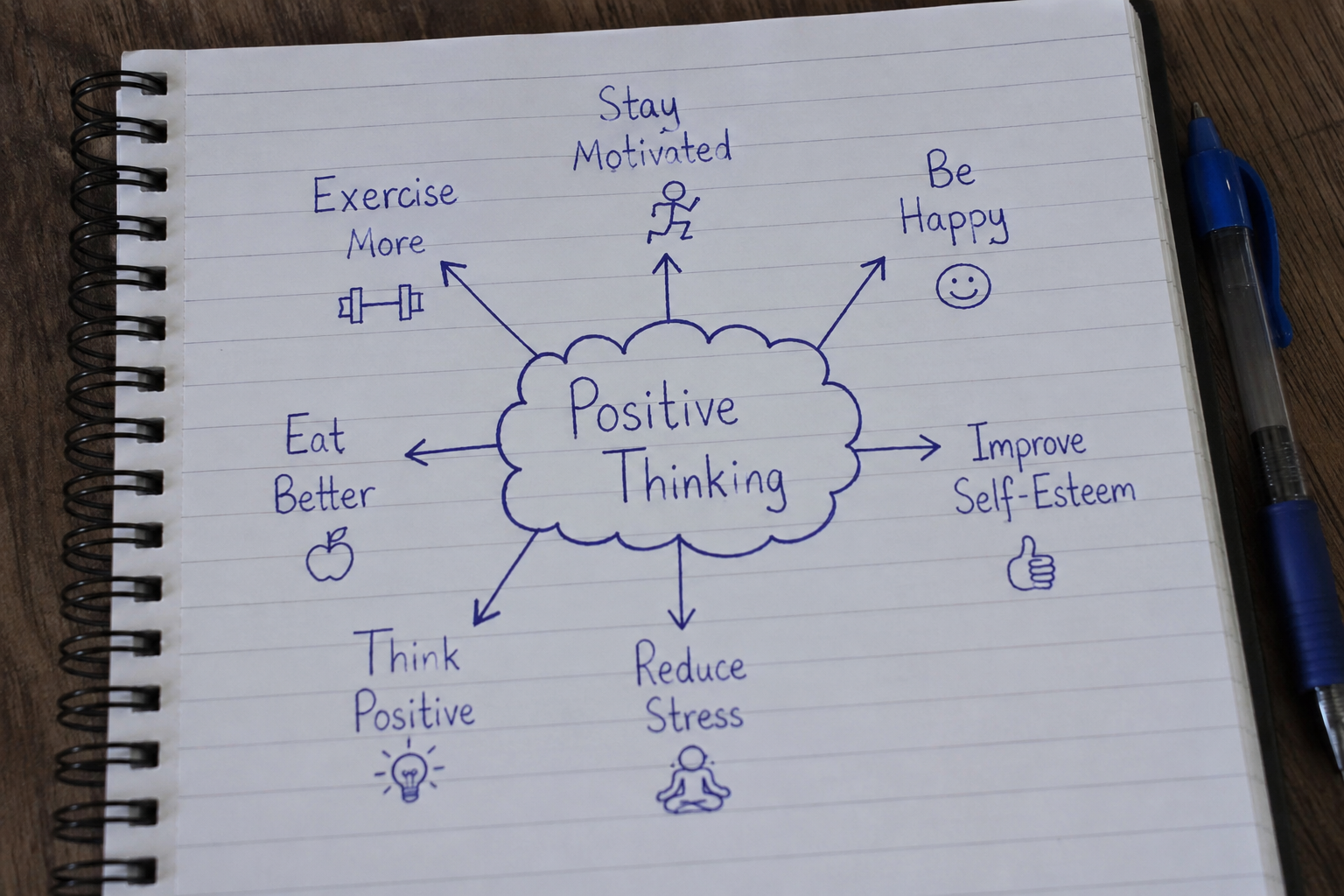
Positive thinking is an important part of a healthy and balanced life. The way we think about ourselves, our problems, and the situations around us can strongly affect how we feel and behave. Positive thinking does not mean ignoring problems or pretending that everything is perfect. Instead, it means choosing a more hopeful, realistic, and constructive way to deal with everyday challenges. Developing a positive mindset can support emotional health, reduce stress, improve relationships, and help people enjoy life more.
In today’s busy world, many people experience pressure from work, family responsibilities, financial concerns, social expectations, and personal challenges. Negative thoughts can easily become a regular part of daily life. When negative thinking continues for a long time, it may affect mood, confidence, motivation, and overall wellbeing. Learning to replace unhelpful thoughts with more balanced and positive thinking can make daily life easier and more meaningful.
What Is Positive Thinking?
Positive thinking is the habit of focusing on possibilities, solutions, strengths, and hopeful outcomes while still accepting reality. A positive thinker understands that difficult situations are a normal part of life. Instead of immediately believing that a problem will never improve, a person with a positive mindset looks for ways to handle the situation.
For example, someone who makes a mistake at work may think, “I am not good at anything.” This thought can damage confidence and motivation. A positive approach would be, “I made a mistake, but I can learn from it and do better next time.” The second thought does not deny the mistake. It simply creates a healthier response to it.
Positive thinking is therefore not about being happy all the time. It is about developing a healthier mental approach to both good and difficult experiences.
Positive Thinking Can Reduce Daily Stress
One of the major benefits of positive thinking is better stress management. Stress often becomes stronger when people repeatedly think about what could go wrong. Constant worry can make ordinary problems feel much bigger than they really are.
A positive mindset can help a person focus on what can be controlled. Instead of spending hours worrying about an uncertain future, a person can ask what action can be taken today. This simple change can create a greater sense of control and calmness.
For example, if someone has an important task to complete, negative thinking may create thoughts such as, “I will never finish this.” Positive thinking can change the approach to, “This task is difficult, but I can complete it one step at a time.” This type of thinking can reduce emotional pressure and encourage useful action.
Positive Thinking Supports Emotional Wellbeing
Emotional wellbeing is closely connected to the way we respond to our thoughts and experiences. Everyone has negative thoughts from time to time, but allowing those thoughts to control daily life can affect emotional health.
Positive thinking can encourage feelings of hope, gratitude, confidence, and calmness. When people regularly notice the good things in their lives, they may become less focused on problems and disappointments. Even small positive experiences, such as enjoying a meal, talking with a friend, taking a walk, or completing a personal goal, can contribute to a better mood.
Practicing positive thinking does not remove sadness, anger, or disappointment. Instead, it helps people handle these emotions without allowing them to completely control their behavior.
It Can Improve Self Confidence
Self confidence plays an important role in personal wellbeing. People who constantly criticize themselves may begin to believe that they are unable to succeed. Negative self talk can make even simple challenges feel overwhelming.
Positive thinking encourages healthier self talk. Instead of saying, “I cannot do this,” a person can say, “I will try my best and improve with practice.” This type of thinking builds confidence over time.
A confident person is more likely to try new activities, learn new skills, communicate with others, and recover after making mistakes. Positive thinking can therefore support personal growth by helping people recognize their abilities and strengths.
Positive Thinking Can Improve Relationships
Our thoughts can also influence the way we communicate with other people. When someone is constantly negative or assumes the worst about others, misunderstandings and conflicts can become more common.
A positive mindset can encourage patience, understanding, kindness, and better communication. Instead of immediately assuming that another person has bad intentions, a person can consider other possible explanations. This can prevent unnecessary arguments and improve relationships.
Positive people may also become a source of encouragement for friends, family members, and coworkers. A kind word or supportive attitude can make a meaningful difference in someone’s day. Healthy relationships are an important part of overall wellbeing, so positive thinking can benefit both individuals and the people around them.
It Encourages a Healthier Approach to Problems
Problems are unavoidable. Everyone experiences failure, disappointment, change, and uncertainty. The difference often comes from how a person responds to these situations.
Negative thinking can make a problem seem impossible to solve. Positive thinking encourages people to look for practical solutions. Instead of asking, “Why does this always happen to me?” someone may ask, “What can I learn from this experience?”
This change in thinking can improve problem solving and resilience. Resilience means the ability to recover from difficult experiences and continue moving forward. A positive mindset can help people see challenges as experiences from which they can learn.
Positive Thinking Can Increase Motivation
Motivation is easier to maintain when people believe that their efforts can make a difference. Negative thoughts can reduce motivation because they create feelings of helplessness.
Positive thinking can help people focus on progress instead of perfection. A person working toward a fitness goal, for example, may not see major results immediately. Thinking, “I am making progress by staying consistent,” can encourage continued effort.
The same idea applies to education, work, personal goals, and healthy lifestyle changes. Celebrating small achievements can provide encouragement and make long term goals feel more manageable.
Gratitude and Positive Thinking
Gratitude is closely connected with positive thinking. Taking time to appreciate the good things in life can shift attention away from constant complaints and worries.
A simple gratitude practice can involve thinking about three things you appreciate each day. These things do not have to be expensive or extraordinary. They could include good health, supportive family members, a comfortable home, a peaceful morning, or a pleasant conversation.
Practicing gratitude regularly can train the mind to notice positive experiences that might otherwise be overlooked. Over time, this can support a more positive outlook on everyday life.
How to Develop Positive Thinking
Positive thinking is a skill that can be developed through regular practice. One useful method is to notice negative thoughts before accepting them as facts. Ask yourself whether the thought is realistic or whether you are expecting the worst possible outcome.
Another helpful habit is to use positive self talk. Replace harsh statements with balanced and encouraging ones. Instead of saying, “I always fail,” try saying, “This did not work this time, but I can learn from it.”
Spending time with supportive people can also encourage positive thinking. The people around us can influence our mood, attitudes, and habits. Healthy social connections can provide encouragement during difficult moments.
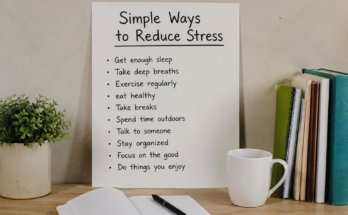
Physical activity, enough sleep, healthy food, time outdoors, and relaxation can also support a positive mindset. Mental and physical wellbeing are connected, so taking care of the body can make it easier to maintain emotional balance.
The Importance of Realistic Positive Thinking
It is important to understand that positive thinking should remain realistic. Pretending that serious problems do not exist is not healthy. Ignoring difficult emotions can sometimes make them harder to manage.
Healthy positive thinking means accepting reality while believing that you can respond to it in a constructive way. You can recognize that a situation is difficult and still believe that you can take useful steps forward.
For example, losing a job can be painful and stressful. A realistic positive mindset does not require someone to pretend that the experience is enjoyable. Instead, it may involve accepting the disappointment while looking for new opportunities, improving skills, asking for support, and creating a practical plan.
Conclusion
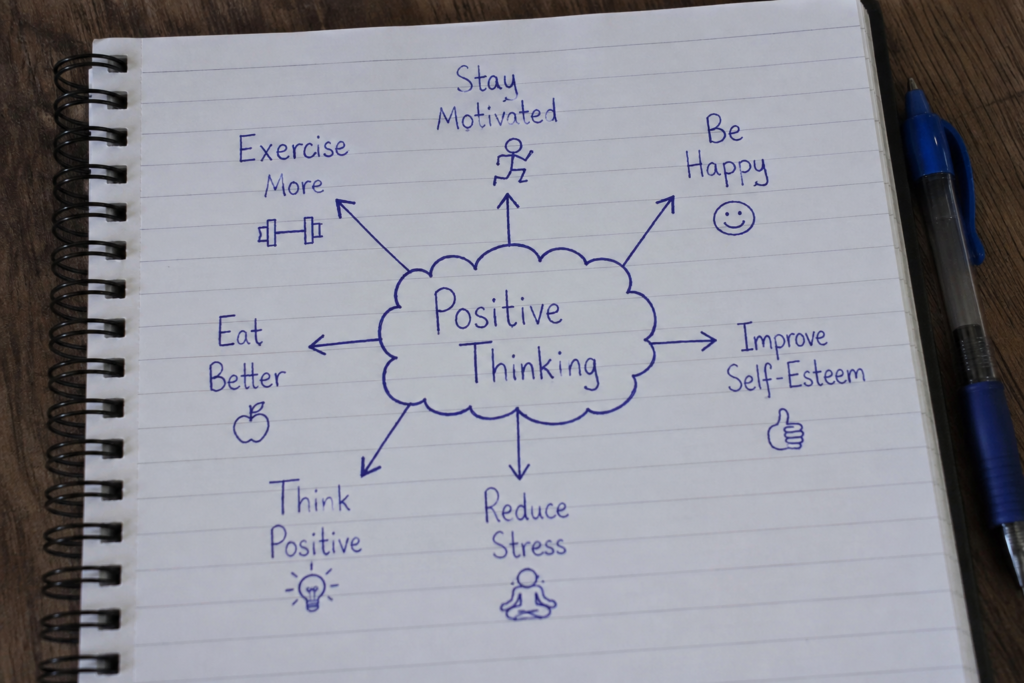
Positive thinking can improve wellbeing by changing the way people respond to everyday experiences. It can help reduce stress, support emotional health, increase self confidence, strengthen relationships, improve motivation, and build resilience.
A positive mindset does not mean having a perfect life or feeling happy every moment. It means learning to approach challenges with hope, patience, realistic expectations, and confidence in your ability to respond.
Small changes in thinking can create meaningful changes in daily life. By practicing positive self talk, appreciating good moments, focusing on solutions, spending time with supportive people, and learning from challenges, anyone can develop healthier thinking habits. Positive thinking is not a quick solution to every problem, but it can become a valuable part of a healthy lifestyle and a stronger sense of overall wellbeing.