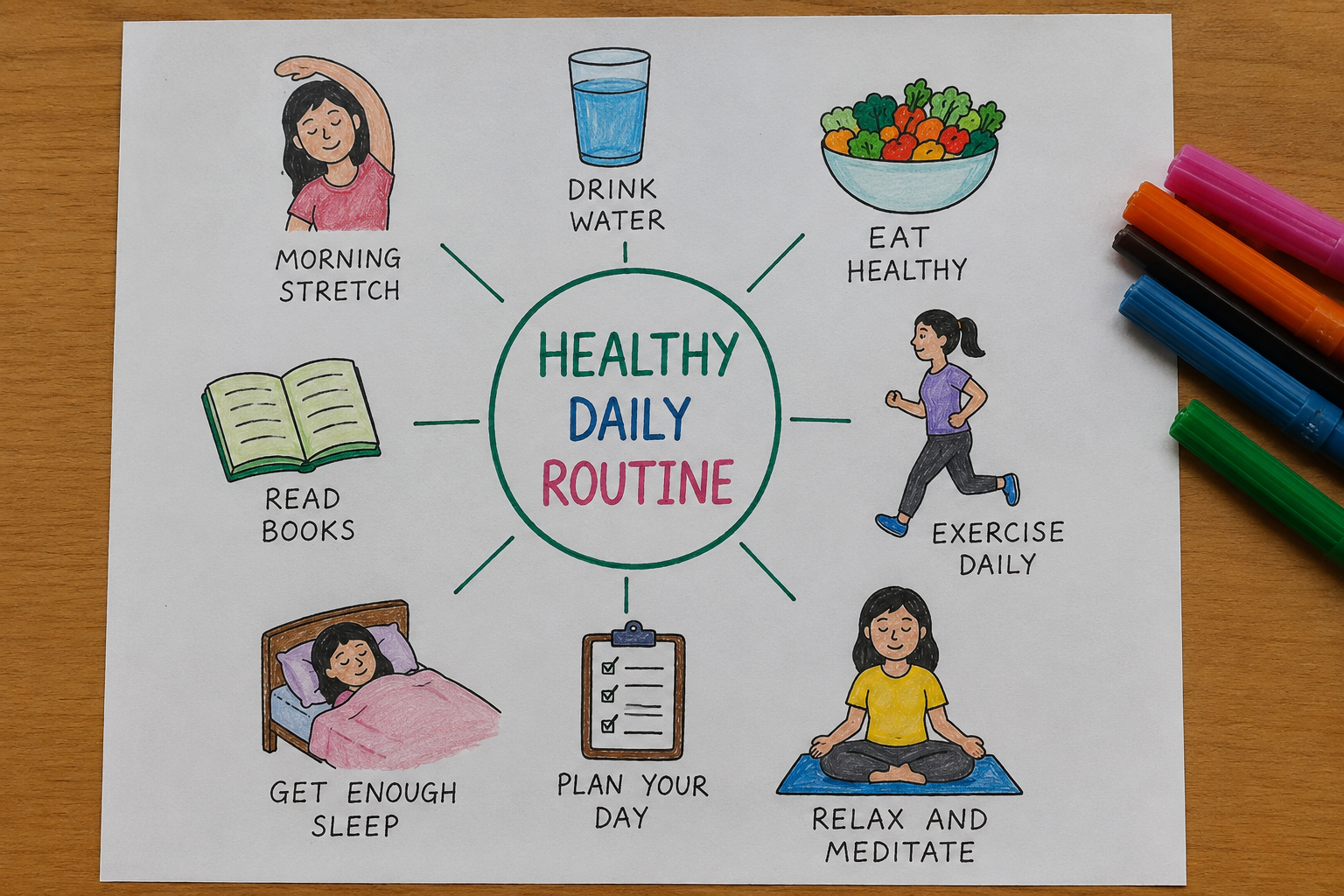
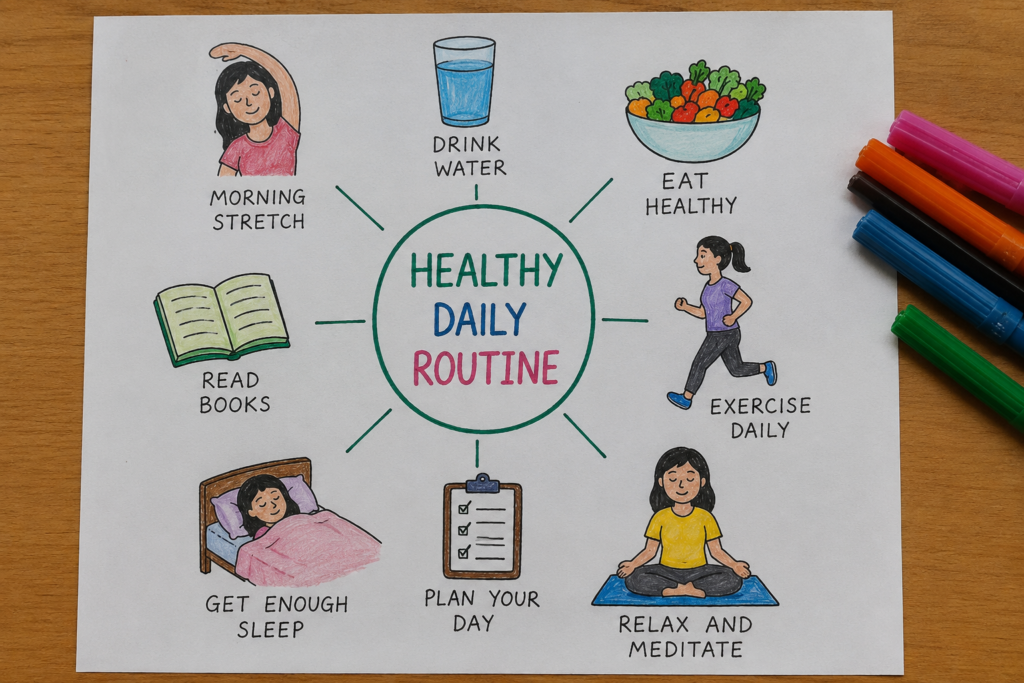
A healthy daily routine can make a big difference in the way you feel, think, and perform throughout the day. Many people want to live a healthier life but do not know where to start. The good news is that building a healthy daily routine does not require major changes. Simple habits followed consistently can improve physical health, mental well being, energy levels, sleep quality, and overall productivity.
A healthy daily routine gives your day structure and helps you make better choices without thinking about them every time. When healthy habits become part of your normal schedule, they become easier to maintain. Whether you are a student, office worker, parent, or someone working from home, a balanced daily routine can help you create a healthier and more organized lifestyle.
Start Your Day With a Positive Morning Routine
The way you start your morning can influence the rest of your day. Instead of immediately checking social media or spending a long time in bed, try to begin your morning with simple healthy habits.
Wake up at a regular time and give yourself enough time to get ready without rushing. Drink a glass of water after waking up because your body needs hydration after several hours of sleep. Washing your face, brushing your teeth, and spending a few minutes stretching can also help you feel more awake.
A healthy breakfast can provide energy for the morning. Choose foods that contain protein, fiber, healthy fats, and important vitamins. Eggs, yogurt, fruit, oatmeal, whole grain bread, and nuts can be useful choices depending on your personal dietary needs.
Make Physical Activity Part of Your Day
Regular physical activity is one of the most important parts of a healthy daily routine. You do not need to spend hours at the gym to stay active. Walking, stretching, cycling, dancing, household activities, or simple home exercises can all contribute to an active lifestyle.
Try to include movement throughout your day. If you work at a desk, stand up and walk around regularly. Taking a short walk after a meal can also be a simple way to add activity to your routine.
Exercise can support heart health, muscle strength, flexibility, and energy. It may also help reduce everyday stress and improve your mood. The most important thing is to choose activities that you enjoy because enjoyable activities are easier to continue over time.
Eat a Balanced and Healthy Diet
Healthy eating should be an important part of your daily routine. Your body needs a variety of nutrients to function properly, so try to include different types of nutritious foods in your meals.
Fruits and vegetables provide vitamins, minerals, fiber, and other beneficial nutrients. Whole grains can provide lasting energy, while foods such as eggs, fish, beans, lentils, dairy products, and other protein sources can support normal body functions.
Try to limit excessive amounts of highly processed foods, sugary drinks, and foods that are very high in salt or added sugar. This does not mean you must completely avoid your favorite foods. A healthy diet is usually easier to maintain when it is balanced and realistic.
Planning meals ahead of time can also help you make healthier choices. When nutritious food is easily available, you are less likely to depend on unhealthy convenience foods when you are hungry.
Drink Enough Water
Staying hydrated is another simple habit that can improve your daily routine. Water is essential for many functions in the body, and your fluid needs can change depending on factors such as activity level, weather, and individual health needs.
Keep water nearby during the day and drink regularly. Some people find it helpful to carry a reusable water bottle while working, studying, or traveling.
Water is generally a better everyday choice than sugary drinks. If you find plain water boring, adding slices of lemon, cucumber, or fresh fruit can make it more enjoyable.
Create a Consistent Sleep Schedule
Good sleep is an important part of a healthy lifestyle. Without enough quality sleep, you may feel tired, unfocused, and less productive during the day.
Try to go to bed and wake up at similar times each day. A consistent sleep schedule can make it easier for your body to follow a regular sleep pattern.
Create a relaxing bedtime routine that helps your mind prepare for sleep. You might read a book, take a warm shower, listen to calm music, or spend a few quiet minutes preparing for the next day.
It can also help to reduce unnecessary screen use before bedtime. Keep your bedroom comfortable, quiet, and suitable for sleeping.
Take Care of Your Mental Health
A healthy daily routine should include mental health habits as well as physical habits. Modern life can be stressful, and taking time to relax is important.
Spend a few minutes each day doing something that helps you feel calm. Deep breathing, meditation, prayer, journaling, reading, or spending time outdoors can be useful options.
Do not feel that every minute of your day needs to be productive. Rest is also part of a healthy lifestyle. Giving yourself time to relax can help you return to your responsibilities with more energy and focus.
Talking with family members, friends, or trusted people can also provide emotional support. If stress, sadness, anxiety, or other emotional difficulties become difficult to manage, consider speaking with a qualified health professional.
Organize Your Daily Tasks
A healthy daily routine becomes easier when your responsibilities are organized. At the beginning of the day, write down the most important tasks you need to complete.
You do not need a complicated planning system. A simple list can help you remember important activities and reduce the feeling of being overwhelmed.
Try to focus on important tasks one at a time. Constantly switching between different activities can make it harder to concentrate. Taking short breaks can help you maintain your energy during work or study sessions.
At the end of the day, look at what you completed and prepare for tomorrow. This small habit can make your next morning feel more organized.
Reduce Unhealthy Screen Habits
Technology is useful, but spending too much time on phones, computers, and televisions can affect your daily routine. Long periods of screen use may reduce physical activity and make it harder to relax.
Set reasonable limits for entertainment and social media. Avoid checking your phone every few minutes when you are working, eating, or spending time with family.
You can create specific times for checking messages and social media. This allows you to stay connected without letting your phone control your entire schedule.
Make Time for Relationships
Healthy relationships are an important part of overall well being. Make time for the people who matter to you.
Have meals with family when possible, talk with friends, or spend quality time with people you care about. Even a short conversation can make a positive difference.
Social connection can provide emotional support and make everyday life more enjoyable. A healthy routine should not only focus on exercise and food. It should also include meaningful relationships and enjoyable experiences.
Keep Your Routine Simple
One of the biggest mistakes people make when trying to build a healthy daily routine is changing everything at once. A complicated routine may feel exciting at first but can become difficult to maintain.
Start with two or three habits. For example, you could begin by drinking more water, walking for a short time each day, and following a regular bedtime.
Once these habits become comfortable, add another healthy habit. Small improvements can eventually create significant changes.
Remember that consistency is more important than perfection. Missing one workout or eating an unhealthy meal does not mean your entire routine has failed. Simply return to your healthy habits the next day.
Example of a Healthy Daily Routine
A simple healthy daily routine could begin with waking up at a consistent time, drinking water, getting ready, and eating a nutritious breakfast. During the morning, focus on important work or study while taking short movement breaks.
At lunchtime, choose a balanced meal and spend a few minutes walking or relaxing afterward. Continue working during the afternoon while staying hydrated and avoiding unnecessary distractions.
In the evening, make time for physical activity, family, hobbies, or relaxation. Eat dinner at a reasonable time and begin reducing screen use as bedtime approaches.
Before sleeping, prepare your clothes and important items for the next day. Spend a few quiet minutes relaxing and then go to bed at a consistent time.
Final Thoughts
Building a healthy daily routine is not about creating a perfect schedule. It is about developing realistic habits that support your body and mind every day. Eating nutritious foods, drinking enough water, staying physically active, getting quality sleep, managing stress, organizing your tasks, and maintaining healthy relationships can all contribute to a better lifestyle.
The best healthy daily routine is one that fits your personal life and that you can follow consistently. Start with small changes instead of trying to change everything overnight. Give yourself time to adjust and remember that progress comes from regular effort.
When healthy habits become part of your everyday life, taking care of yourself can feel natural rather than difficult. A simple and balanced routine can help you feel more energetic, organized, focused, and prepared to handle the demands of daily life.